
Diagnose Detroit Diesel fuel contamination and filtration failures using a proven system-based diagnostic process built from over 30 years of real-world marine diesel experience in Ventura, Oxnard, Channel Islands Harbor, and Santa Barbara.
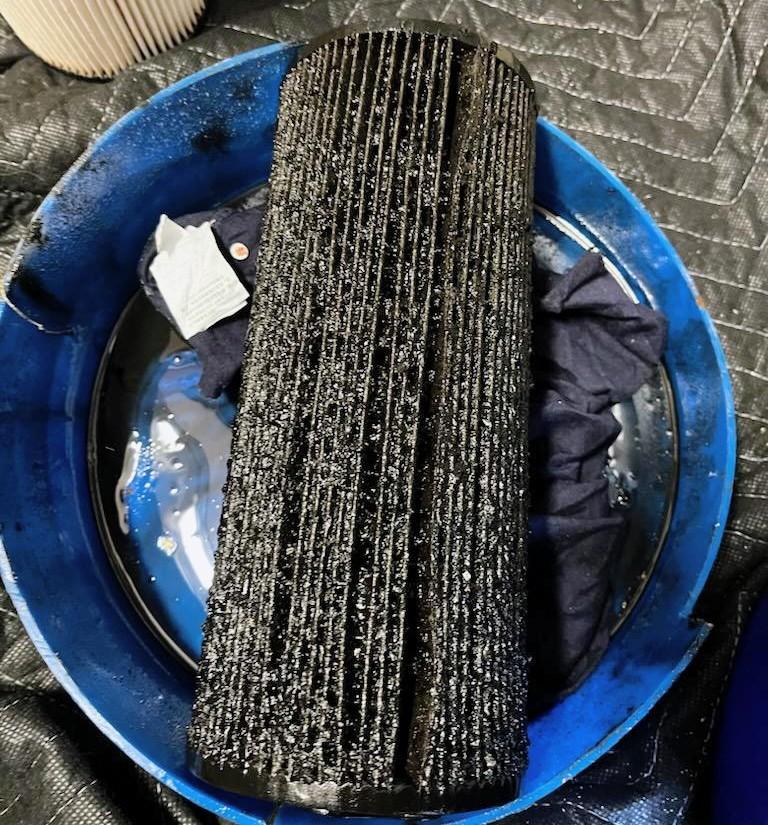
Detroit Diesel Fuel Contamination & Filtration Problems: Marine Diesel Authority Guide
Schedule Fuel System Diagnosis
Fuel contamination is one of the most common and most destructive problems affecting Detroit Diesel marine engines. Engines such as the 6-71, 8V71, 6V92, and 8V92 are extremely durable, but they rely on a consistent supply of clean, water-free diesel fuel to operate correctly.
When contamination enters the fuel system, it quickly restricts fuel flow, damages filtration systems, and causes unstable engine performance. These issues often overlap with problems diagnosed in the low power loss of RPM diagnosis center, where fuel restriction and airflow imbalance are analyzed together.
The best way to approach these issues is through a structured process like the master marine diesel troubleshooting guide, which isolates root causes based on real-world symptoms.
What Causes Diesel Fuel Contamination?
Marine fuel systems are constantly exposed to moisture, heat cycles, and long storage periods. These conditions create the perfect environment for contamination to develop.
- Water intrusion from condensation
- Microbial growth (diesel algae)
- Rust and debris inside tanks
- Fuel degradation over time
- Contaminated dockside fuel
Once contamination enters the system, it spreads through fuel lines and becomes trapped in filters until restriction begins.
Symptoms of Fuel Contamination
- Loss of power under load
- Engine surging at cruise RPM
- Hard starting or extended cranking
- Black smoke during acceleration
- Frequent filter clogging
- Unexpected engine shutdown
These symptoms are commonly linked with fuel system restriction, which is also addressed in the fuel system diagnosis center.
How Marine Diesel Filtration Systems Work
Detroit Diesel engines use a two-stage filtration system:
- Primary filter removes water and large debris
- Secondary filter removes fine contaminants before injectors
If contamination levels rise, the primary filter clogs first, reducing fuel supply and causing RPM loss.
Diesel Algae: The Most Common Fuel Problem
Diesel algae forms when water mixes with fuel. Microorganisms grow at the interface and produce sludge that spreads throughout the system.
This buildup quickly clogs filters and can lead to complete engine shutdown. These symptoms often overlap with combustion problems diagnosed in the smoke and combustion diagnosis center.
Need Help Finding the Real Cause? Contact 805 Marine Diesel Mechanic
Professional Fuel Contamination Diagnosis
- Fuel sampling and testing
- Filter inspection
- Tank contamination inspection
- Fuel line inspection
- Fuel flow testing
Advanced diagnostics are available through the computerized marine diagnostics center.
Preventing Fuel Contamination
- Regular filter replacement
- Water separator maintenance
- Keep tanks full
- Use clean fuel sources
Service Area
Ventura • Oxnard • Channel Islands Harbor • Santa Barbara
Fuel Contamination FAQ
1. What does diesel algae look like?
It appears as dark sludge inside filters. See troubleshooting guide.
2. Can contamination cause shutdown?
Yes, fuel starvation stops engine operation.
3. How often change filters?
Regularly or when contamination is present.
4. Can water cause algae?
Yes, water enables microbial growth.
5. Can contamination cause power loss?
Yes, see low power diagnosis.
6. Can bad fuel mimic turbo issues?
Yes, airflow issues should also be checked.
7. Can contamination damage injectors?
Yes.
8. Can algae clog filters quickly?
Yes.
9. Can contamination cause smoke?
Yes.
10. Can tank rust contaminate fuel?
Yes.
11. How test fuel quality?
Sampling and inspection.
12. Can old fuel cause problems?
Yes.
13. Can filters fix contamination?
Only temporarily.
14. Can contamination spread?
Yes.
15. Should tanks be cleaned?
Yes if contamination exists.
16. Can contamination cause surging?
Yes.
17. Can fuel starvation damage engine?
Yes.
18. Can contamination affect starting?
Yes.
19. Can bad fuel reduce RPM?
Yes.
20. When call a professional?
If symptoms persist, contact 805 Marine Diesel Mechanic.
One Response