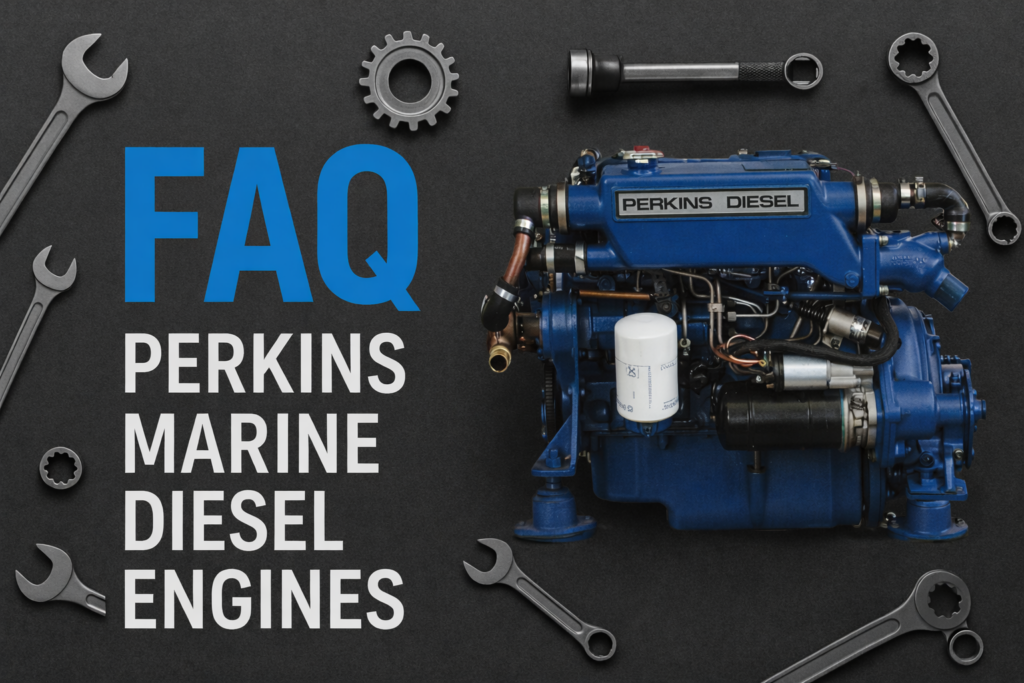
Perkins marine diesels like the 4.108 and 4.107 have earned a reputation for simple, dependable cruising—when the cooling system,
fuel system, and basic maintenance are kept ahead of problems. Below is a practical, field-focused FAQ from a trained technician’s perspective,
built for boat owners running the Santa Barbara Channel, Ventura, Oxnard, and Channel Islands Harbor.
Schedule Perkins Service
Fresh Water Flushing Guide
Quick Perkins Marine Overview
Perkins marine engines are commonly found in sailboats, trawlers, and classic cruisers. Many installations are decades old,
so the “engine” is often fine—the age-related failures are usually in cooling, fuel, wiring, exhaust, and mounts.
If you’re comparing brands, see our Yanmar marine diesel service page as well.
Common Perkins Marine Engine Models We Service
- Perkins 4.108 / 4.107 (popular sailboat auxiliary engines)
- Perkins 4.236 / 6.354 (heavier displacement and trawler applications)
- Perkins-based repowers with mixed heat exchanger, exhaust, and fuel filtration setups
Why Owners Keep Perkins Engines Running
- Serviceable design: straightforward systems and good access on many installs
- Parts support: many wear items remain available (filters, pumps, injectors, cooling components)
- Efficient cruising: well-suited for long, steady load profiles
Perkins Marine Diesel Services We Provide
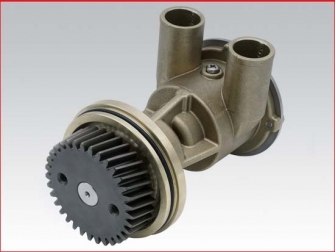
- Raw-water pump rebuilds, impellers, cam seals, and hose upgrades
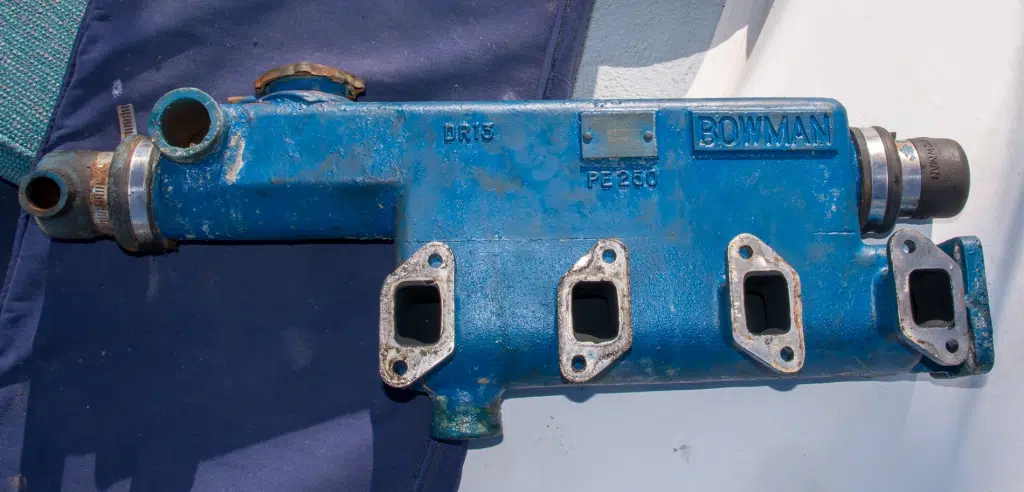
- Heat exchanger service, pressure testing, cleaning, and end-cap reseals
- Fuel system diagnosis: lift pump, filters, Racor setups, injector testing
- Cooling system troubleshooting: thermostat, coolant circulation, overheat alarms
- Oil leaks, mount alignment checks, belt tracking, and charging system faults
Legacy Perkins Support (Older Engines & Classic Boats)
Older Perkins installations often have non-original plumbing, mixed aftermarket parts, and “creative” wiring. We focus on
making the engine reliable: correct hose routing, proper clamps, sensible fuel filtration, clean grounds, and stable temperatures.
If you’re also running another brand in the fleet, visit our Perkins service hub for related articles and parts guidance.
Perkins Service Area: Santa Barbara, Ventura, Oxnard & Channel Islands
We work where you boat—Santa Barbara Harbor, Ventura Harbor, Oxnard marinas, and Channel Islands Harbor—helping you keep a Perkins
running cool and clean in saltwater conditions. If you need help fast, use our contact page to schedule service.
Helpful Resources (Owner Education)
- BoatUS maintenance & safety articles
- Yachting Magazine technical features
- Perkins official site
- Racor fuel filtration info
Perkins Marine Diesel Engines FAQ (40 Questions)
1) What’s the #1 cause of Perkins overheating in saltwater?
Most overheating starts on the raw-water side: worn impeller, blocked strainer, collapsed hose, air leaks on the suction side, or restricted heat exchanger tubes. Start with raw-water flow checks before replacing thermostats.
2) How often should I replace the seawater impeller?
Typically every season or every 100–200 hours (whichever comes first). If you run shallow harbors, kelp, or silty water, inspect more often. Keep a spare on board.
3) My Perkins runs cool at idle but overheats under load—why?
That pattern usually points to insufficient raw-water flow or a restriction that only shows up at higher flow demand (partially blocked heat exchanger, exhaust mixing elbow restriction, weak raw-water pump cam, or delaminated hose).
4) Can a bad thermostat cause overheating?
Yes, but it’s not the first suspect. If raw-water flow is strong and the heat exchanger is clean, then check thermostat opening temperature and coolant circulation.
5) What are signs my heat exchanger needs service?
Rising operating temp over time, “runs hot only on longer trips,” salt crystals near end caps, weeping, or debris found in end caps. Pressure testing and cleaning often restore stability.
6) Do Perkins engines need zinc anodes?
Many heat exchanger setups use pencil zincs. If your exchanger has one, inspect regularly—especially in warm, salty marinas. Missing zincs can accelerate internal corrosion.
7) What causes black smoke on a Perkins?
Black smoke is unburned fuel from too much fuel or not enough air: dirty air intake, prop overload, injector issues, timing, or restricted exhaust. A sea trial under load helps pinpoint it.
8) What causes white smoke at startup?
Cold combustion (glow/heater system issues), low compression, or injector spray pattern problems. A little haze on a cold morning can be normal; persistent white smoke needs diagnosis.
9) What causes blue smoke?
Oil burning—often from wear, overfilled oil, incorrect crankcase ventilation routing, or in some cases extended low-RPM running that loads the cylinders poorly.
10) How do I properly bleed a Perkins fuel system after filter changes?
Use the lift/hand primer (if equipped), bleed at the primary filter, then secondary, then injection pump bleed points. Keep fittings snug—air leaks are a common culprit. If you want help refining your setup, see our Perkins page.
11) Why does my Perkins die after 10–20 minutes?
Common causes: fuel starvation (tank vent, clogged pickup, collapsing fuel line, blocked Racor), failing lift pump, or overheating triggering shutdown on alarmed installations.
12) What’s the best fuel filtration setup?
A quality primary water-separating filter (often Racor) before the engine plus the engine-mounted secondary. Clean fuel and water control prevent injector and pump wear.
13) When should injectors be serviced?
If you see hard starting, uneven idle, knock, smoke changes, or high fuel consumption. Injector testing and pop-pressure checks can quickly confirm condition.
14) Why is my Perkins hard to start when warm?
Often air intrusion, weak cranking speed, heat-soaked starter, or fuel delivery issues. We typically check voltage drop, grounds, and fuel system tightness first.
15) How important are battery cables and grounds?
Very. Many “mystery” starting and charging problems are cable corrosion, undersized wiring, or poor grounds—especially on older boats in salty air.
16) What is normal oil pressure for a Perkins marine diesel?
It varies by model and oil temp, but you want stable pressure that rises with RPM. If pressure suddenly drops or fluctuates, shut down and diagnose immediately.
17) Why does my oil look milky?
Water contamination—possible causes include failed oil cooler, coolant leak, or condensation from short run cycles. Don’t run it until you identify the source.
18) What’s the best way to prevent raw-water pump failures?
Replace impellers on schedule, avoid running dry, inspect the cam and cover plate, and correct any suction-side air leaks. If you want a maintenance routine, our fresh water flushing guide helps reduce salt buildup.
19) I found missing impeller vanes—where do they go?
They often lodge in the heat exchanger inlet, oil cooler, or elbow. Retrieve the pieces—leaving them can cause intermittent overheating later.
20) Why does my Perkins run hot only at higher RPM?
Prop overload, restricted exhaust, partially blocked exchanger, or weak raw-water flow. We usually verify RPM at WOT matches spec before chasing other issues.
21) What’s the most common coolant-side issue?
Old coolant, scaling, stuck thermostats, or circulation pump wear. Proper coolant mix and change intervals matter, especially on engines that sit.
22) Should I descale my heat exchanger?
If temps creep up over time, yes—cleaning can restore heat transfer. We prefer controlled cleaning methods that protect metals and seals.
23) How do I know if my exhaust elbow is restricted?
Symptoms: overheating under load, higher smoke, reduced RPM, or visible corrosion at the mixing point. Elbows can clog internally and look “fine” outside.
24) Can a worn prop cause engine issues?
Yes. Over-propped boats load the engine too hard, raising temps and soot. Under-propped boats may not reach efficient load points. Matching prop to engine spec protects longevity.
25) What maintenance intervals matter most?
Oil/filter, fuel filters, impeller, coolant health, belt inspection, valve lash checks (per model), and heat exchanger inspection. Consistency is more important than perfection.
26) When should valves be adjusted?
Follow the model’s schedule or adjust if you hear persistent valvetrain noise, see starting changes, or during major service. Correct lash supports compression and smooth running.
27) Why does my Perkins vibrate more than it used to?
Often mounts, alignment, coupling issues, or a prop/shaft problem. A quick alignment check can prevent transmission and cutless bearing damage.
28) What’s the right idle speed?
Depends on model and gearbox, but too-low idle can cause stalling in gear and poor charging; too-high can cause harsh shifting. We set idle for stable oil pressure and smooth engagement.
29) Why is my alternator not charging consistently?
Belt tension/slip, corroded connections, failing regulator, or weak grounds. Many older boats benefit from upgraded cabling and clean terminations.
30) Should I use engine flush products?
Use caution. For raw-water circuits, flushing with fresh water is usually the safest first step. For descaling, controlled processes and correct chemistry matter—ask before circulating unknown chemicals.
31) How can I reduce salt buildup in my cooling system?
Fresh water flushing after runs, keeping strainers clean, replacing hoses that shed rubber, and servicing heat exchangers before they choke. Start here: Fresh Water Flushing.
32) What causes coolant loss with no visible leak?
Pressure cap issues, internal leaks, or evaporation from overheating. A pressure test helps locate the issue before it becomes a head gasket problem.
33) What causes fuel in the engine oil?
Leaking injectors, injection pump seals (model dependent), or excessive idling. Fuel dilution reduces lubrication—address quickly.
34) My Perkins starts then stalls when I shift—why?
Idle too low, gearbox drag, misalignment, or fuel restriction that can’t meet load demand. We verify idle speed and fuel delivery first.
35) How do I know if my lift pump is failing?
Loss of prime, stalling under load, needing frequent bleeding, or inability to fill filters. Testing fuel vacuum/pressure is the quickest way to confirm.
36) Is it OK to run my Perkins at low RPM all day?
Long low-load running can lead to carbon buildup and glazing on some engines. It’s often healthier to run at proper cruise load and occasionally bring temps up under controlled conditions.
37) What’s a good “pre-trip” checklist before crossing to the Channel Islands?
Check belts, oil, coolant level, raw-water strainer, fuel level/water, and confirm steady operating temp at cruise. Carry spare impeller and primary filter elements.
38) Should I repower or rebuild my Perkins?
It depends on compression, parts condition, and your cruising plans. Many “tired” engines recover with cooling/fuel corrections and injector service. A condition check and sea trial usually clarifies the decision.
39) How do I troubleshoot an intermittent overheat alarm?
Verify sender wiring/grounds, confirm actual temperature with an IR check, then inspect raw-water flow and heat exchanger condition. Intermittent alarms often trace back to wiring on older installs.
40) What’s the fastest way to book service in Ventura or Santa Barbara?
Use our contact page with your engine model, symptoms, marina/location, and the last service date. Photos of the cooling and fuel setup help us prep the right parts.
Common Perkins Wear Items We Inspect

Seawater pump & impeller: prime suspect for overheating and poor raw-water flow.

Heat exchanger: we clean tubes, inspect end caps, and pressure test to stabilize temps.
Fuel injector: spray pattern and pop-pressure affect starting, smoke, and fuel economy.
Need Help With a Perkins in Santa Barbara or Ventura?
If your Perkins is running hot, smoking, hard-starting, or stalling, we can diagnose the root cause and stabilize the system
(cooling, fuel, and electrical) so you can cruise with confidence.


One Response