
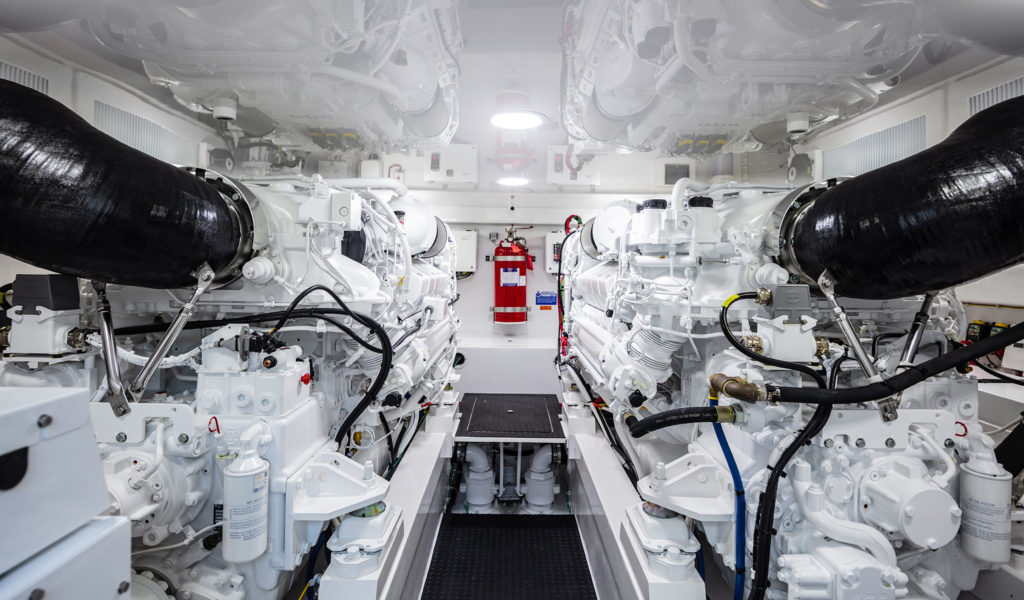
The Importance of Regular Maintenance from a Marine Diesel Mechanic
Boat owners in Santa Barbara, Ventura, Oxnard, and Channel Islands Harbor know how rewarding time on the water can be. They also know that dependable boating starts before the vessel ever leaves the slip. Regular maintenance is what keeps an inboard marine diesel engine reliable, efficient, safe, and ready for coastal cruising.
805 Marine Diesel Mechanic specializes exclusively in inboard marine diesel systems. That means no gasoline engines and no outboards — only diesel diagnostics, preventative maintenance, cooling-system service, fuel-system troubleshooting, driveline inspections, and dockside support for vessels operating along the Central Coast.
Before you head offshore, a structured marine diesel troubleshooting and inspection process can help identify fuel issues, cooling problems, vibration, weak charging, worn belts, leaking hoses, and early signs of mechanical wear.
Schedule Marine Diesel Maintenance
Why Regular Maintenance Matters
Marine diesel engines operate in conditions that are far harsher than most land-based engines. Saltwater exposure, vibration, thermal cycling, fuel contamination, long idle periods, and heavy propulsion loads all create wear over time.
Routine maintenance helps prevent:
- Overheating under load
- Fuel restriction and injector damage
- Hard starting
- Battery and charging failures
- Transmission wear
- Driveline vibration
- Unexpected offshore shutdowns
A properly maintained diesel engine starts easier, runs cooler, burns fuel more efficiently, and provides better confidence during Channel crossings or coastal runs.
What a Marine Diesel Mechanic Checks
A professional marine diesel maintenance visit should look beyond a basic oil change. The engine, fuel system, cooling circuit, exhaust, charging system, and driveline all need to be evaluated together.
- Engine oil condition and level
- Fuel filters and water separators
- Coolant condition and temperature stability
- Raw-water impeller condition
- Seawater strainer restriction
- Battery voltage and charging output
- Hose and clamp condition
- Transmission fluid condition
- Shaft alignment and coupling condition
Helpful service references include the verified Marine Diesel Engine Maintenance Schedule.
Cooling-System Maintenance Prevents Major Failures
Cooling-system problems are among the most common causes of marine diesel breakdowns. A boat may idle normally at the dock but overheat during a sea trial if the heat exchanger, raw-water pump, oil cooler, or seawater strainer is restricted.
- Inspect raw-water impellers
- Clean seawater strainers
- Check coolant chemistry
- Inspect heat exchanger end caps
- Replace worn hoses and clamps
- Verify operating temperature under load
Small cooling issues can quickly become expensive if ignored. A worn impeller, weak clamp, or restricted heat exchanger can lead to overheating, head-gasket damage, exhaust damage, or a failed trip.
Fuel-System Maintenance Protects Injectors
Marine diesel fuel systems are vulnerable to water, algae, sediment, and air intrusion. Fuel contamination can cause hard starting, unstable RPM, smoke, injector wear, and sudden shutdowns.
- Replace primary and secondary filters
- Drain water separators
- Inspect fuel hoses
- Check for air leaks
- Monitor fuel restriction
- Polish contaminated fuel when needed
Clean fuel is one of the cheapest ways to protect injectors, high-pressure pumps, and long-term engine reliability.
Driveline and Coupling Inspections
Vibration is often blamed on the engine, but the real cause may be worn mounts, shaft misalignment, coupling wear, propeller damage, or transmission problems.
Routine driveline inspections should include:
- Engine mount condition
- Shaft alignment
- Flexible coupling inspection
- Transmission engagement
- Propeller condition
- Sea-trial vibration review
Helpful driveline references include Marine Flexible Shaft Couplings.
Electrical and Charging-System Maintenance
Many marine diesel starting problems come from weak batteries, corroded terminals, poor grounds, worn cables, or failing alternators rather than the engine itself.
- Battery-load testing
- Alternator-output checks
- Ground inspection
- Starter-current testing
- Terminal cleaning
- Charging-belt inspection
Electrical reliability is especially important for vessels running electronics, refrigeration, autopilots, windlasses, and navigation equipment offshore.
Timely Repairs Save Money
Small problems usually cost less when corrected early. A weak clamp, small coolant leak, restricted fuel filter, or loose mount can become a much larger repair if the vessel keeps operating under load.
Regular maintenance helps avoid:
- Emergency tow bills
- Trip cancellations
- Major overheating damage
- Injector replacement
- Transmission damage
- Unexpected haul-outs
Preventative maintenance is not just about avoiding breakdowns. It also protects resale value, survey results, and owner confidence.
Repower and Upgrade Planning
If your existing diesel is aging, smoking, overheating, or becoming difficult to support, regular maintenance visits can help determine whether repair, overhaul, or repower makes the most sense.
Helpful verified references include Beta 85T Marine Engine Sales and Caterpillar C7.1 Marine Engine Sales.
Cross-Platform Maintenance References
Marine diesel maintenance principles apply across many engine brands. Oil service, filter replacement, coolant testing, fuel-system inspection, and cooling-system maintenance all need to follow a structured schedule.
Helpful verified maintenance examples include Cummins Marine Engine Scheduled Maintenance and Perkins Marine Engine Maintenance Schedule.
Marine Surveys and Maintenance History
A documented maintenance history helps during ownership, resale, insurance review, and marine engine surveys. Regular service records show that the vessel has been cared for and that problems were addressed before becoming major failures.
Helpful verified survey references include Caterpillar C7 Marine Engine Survey and Cummins 6CTA8.3-M3 Marine Engine Survey.
Mobile Marine Diesel Maintenance in Santa Barbara and Ventura
805 Marine Diesel Mechanic provides mobile dockside marine diesel maintenance throughout Santa Barbara, Ventura, Oxnard, and Channel Islands Harbor. Service is focused on inboard marine diesel engines only, allowing deeper attention to cooling systems, fuel systems, drivetrains, transmissions, and engine-room reliability.
For additional marine safety and service standards, review ABYC Standards.
Final Thoughts
Regular marine diesel maintenance is one of the smartest investments a boat owner can make. It protects reliability, safety, fuel efficiency, resale value, and time on the water.
With structured maintenance, cooling-system inspections, clean fuel, charging-system checks, and professional dockside support, your vessel can remain dependable throughout California’s demanding coastal boating season.
Marine Diesel Maintenance FAQ
How often should I service my marine diesel engine?
Most marine diesel engines should be serviced annually or by engine-hour interval, whichever comes first.
Why is regular maintenance important?
Regular maintenance helps prevent overheating, fuel problems, electrical failures, vibration issues, and offshore breakdowns.
Do you service gasoline engines or outboards?
No, 805 Marine Diesel Mechanic specializes exclusively in inboard marine diesel systems.
What should be checked before a trip?
Check oil, coolant, fuel filters, belts, hoses, battery voltage, seawater strainers, and exhaust water flow.
Can maintenance reduce repair costs?
Yes, early inspections often catch small problems before they become expensive repairs.
Do you provide mobile dockside service?
Yes, mobile dockside service is available throughout Santa Barbara, Ventura, Oxnard, and Channel Islands Harbor.
Why does fuel-system maintenance matter?
Clean fuel protects injectors, improves combustion, and reduces the risk of shutdowns offshore.
Why is cooling-system service important?
Cooling-system service helps prevent overheating caused by worn impellers, restricted strainers, or scaled heat exchangers.
Can vibration damage a boat?
Yes, driveline vibration can damage mounts, couplings, transmissions, shafts, and seals over time.
What areas do you service?
Service areas include Santa Barbara, Ventura, Oxnard, and Channel Islands Harbor.
One Response