
Marine diesel hose-clamp inspection, constant-torque clamp upgrades, exhaust-hose retention, and ABYC-compliant hose-system protection for Ventura Harbor, Oxnard, Channel Islands Harbor, and Santa Barbara. Start with the Master Marine Diesel Troubleshooting Guide when your vessel develops coolant leaks, raw-water seepage, fuel odor, loose exhaust connections, overheating under load, or recurring hose failures. 805 Marine Diesel Mechanic specializes in professional marine hose-clamp audits, constant-torque upgrades, heavy-duty T-bolt systems, and critical diesel plumbing reliability improvements for offshore vessels.
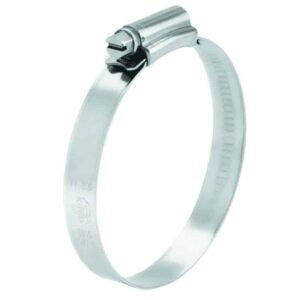
Marine Diesel Hose Clamp Upgrades by 805 Marine Diesel Mechanic — trained technicians delivering constant-torque clamp installation, exhaust-hose retention improvements, raw-water hose inspections, and dockside marine diesel plumbing support across Ventura, Oxnard, Channel Islands Harbor & Santa Barbara.
Contact our hose-system specialists.
Marine hose clamps may appear simple, but they are one of the most important safety components in a diesel-powered vessel. A failed clamp on a raw-water line, fuel hose, coolant circuit, or exhaust connection can quickly lead to flooding, overheating, engine shutdown, or dangerous engine-room leaks offshore.
Why Marine Hose Clamp Selection Matters Offshore
Marine diesel vessels experience continuous vibration, heat cycling, salt exposure, and hull movement. These conditions place enormous stress on hose connections throughout the engine room.
Improper clamp selection, poor material quality, over-tightening, or aging hardware can allow hoses to loosen, leak, or fail entirely during offshore operation between Ventura, Santa Barbara, and the Channel Islands.
Correct clamp selection dramatically improves long-term reliability and reduces the likelihood of emergency repairs offshore.
Perforated Stainless Hose Clamps vs Solid-Band Clamps
Perforated Worm-Gear Clamps
Traditional perforated hose clamps are common, but they are often poorly suited for critical marine diesel applications. The perforations weaken the band and can create stress points that encourage crevice corrosion in salty engine-room environments.
Perforated bands may also damage softer hose materials and become easier to strip when heavily torqued.
Solid-Band 316 Stainless Clamps
Solid-band clamps use embossed threads instead of perforations, dramatically improving strength and reducing hose damage. The thicker band construction resists stretching, cracking, and corrosion while distributing clamping pressure more evenly.
For additional offshore plumbing reference information, owners often review the verified Marine Engine Fresh Water Flushing System page.
Constant Torque Marine Hose Clamps
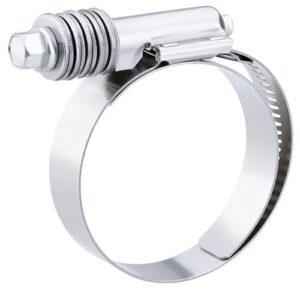
Constant-torque clamps are among the best solutions for marine diesel cooling and exhaust systems because they automatically compensate for hose compression, thermal expansion, and contraction.
As hoses heat and cool, rubber materials change shape slightly. Traditional clamps lose clamping force over time, while constant-torque designs maintain more consistent pressure.
These systems are ideal for:
- Raw-water cooling circuits
- Coolant hoses
- Wet exhaust systems
- Charge-air plumbing
- Turbocharger connections
T-Bolt and Double T-Bolt Clamp Applications
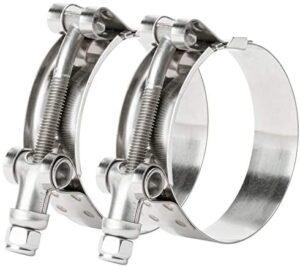
T-bolt clamps provide significantly greater clamping force than traditional worm-gear designs and are commonly used on turbocharger plumbing, charge-air coolers, and high-pressure diesel cooling systems.
Double T-bolt clamps distribute load even more evenly and are frequently used in high-risk offshore applications where maximum retention strength is required.
For turbocharger-system support information, owners frequently review the verified Marine Turbocharger Failure page.
Professional Marine Hose & Clamp Services
Complete Hose-System Audits
805 Marine Diesel Mechanic performs complete engine-room hose and clamp inspections for fuel, coolant, exhaust, hydraulic, and raw-water systems.
We identify:
- Improper clamp types
- Corrosion and fatigue
- Improper double-clamping
- Mismatched hose sizing
- Poor support and routing
- Aging hose material
ABYC-Compliant Clamp Upgrades
We replace automotive-grade hardware with properly selected marine-grade stainless clamps suitable for offshore diesel operation.
Installations include:
- 316 stainless solid-band clamps
- Constant-torque systems
- Heavy-duty T-bolt clamps
- Double-clamp exhaust retention
- Correct torque procedures
- Proper band alignment
Raw-Water and Exhaust Hose Security
Raw-water and wet-exhaust systems represent some of the highest-risk hose connections on a marine diesel vessel. A failed exhaust or seawater hose can rapidly flood the bilge or cause catastrophic overheating.
805 Marine Diesel Mechanic carefully inspects:
- Seacock hose connections
- Raw-water pump hoses
- Heat-exchanger plumbing
- Wet exhaust elbows
- Muffler connections
- Exhaust riser retention
For additional cooling-system troubleshooting information, owners often review the verified Overheating at High RPM page.
Fuel-System Clamp Integrity and Safety
Diesel fuel-system leaks are not only reliability problems — they are also major engine-room safety concerns. Poorly clamped fuel lines may allow air intrusion, fuel seepage, and injector-supply instability.
We inspect:
- Primary fuel filtration connections
- Fuel-return plumbing
- Tank supply hoses
- Lift-pump connections
- Racor manifold plumbing
- Fuel-transfer systems
For offshore fuel-system reference information, owners frequently review the verified Air in Fuel System on a Marine Diesel Engine page.
Advanced Clamp Selection Practices
- Proper Sizing: Oversized clamps create uneven loading and reduced sealing force.
- Rolled Band Edges: Reduce hose cutting and improve long-term hose life.
- Consistent Torque: Prevents loosening during thermal cycling.
- Proper Material Selection: True marine-grade stainless resists saltwater corrosion.
- Correct Clamp Placement: Proper spacing behind hose barbs improves retention strength.
For verified external technical references, owners can review AWAB Marine Clamps and BoatUS.
Local Dockside Hose Clamp Service Coverage
- Ventura Harbor: Marine hose-clamp audits and cooling-system upgrades.
- Oxnard: Raw-water and fuel-system clamp inspections.
- Channel Islands Harbor: Exhaust-hose retention upgrades and offshore plumbing diagnostics.
- Santa Barbara Harbor: Dockside marine diesel hose-system reliability improvements.
Verified Marine Hose & Clamp Technical Resources
- Marine Engine Fresh Water Flushing System
- Electronic Engine Controls
- Flexible Shaft Couplings
- Perkins Marine Diesel
- Yanmar Marine Diesel
- Marine Diesel Troubleshooting Guide
- 805 Marine Diesel Mechanic Contact
- AWAB Marine Clamps
- BoatUS
Protect your marine diesel vessel with professional hose-clamp upgrades, constant-torque systems, and offshore-ready plumbing reliability improvements from 805 Marine Diesel Mechanic.
Marine Diesel Hose Clamp FAQ
Why are perforated hose clamps not ideal for critical marine diesel systems?
Perforated clamps weaken the band structure, promote crevice corrosion, and may damage hoses under high clamping loads.
What are the advantages of constant-torque hose clamps?
Constant-torque clamps automatically compensate for hose compression and thermal expansion to maintain more consistent sealing pressure.
When should T-bolt clamps be used?
T-bolt clamps are commonly used on turbocharger plumbing, charge-air systems, and high-pressure cooling circuits where stronger retention is required.
Do you provide mobile hose-clamp inspections?
Yes, 805 Marine Diesel Mechanic provides dockside hose and clamp inspections throughout Ventura, Oxnard, Channel Islands Harbor, and Santa Barbara.
Can poor hose clamps cause overheating?
Yes, leaking or loose raw-water and coolant hoses can reduce cooling efficiency and contribute to overheating under load.
Why are solid-band 316 stainless clamps preferred?
Solid-band clamps resist stretching, reduce hose damage, and provide improved corrosion resistance in marine environments.
Can failed hose clamps create fuel-system problems?
Yes, leaking or loose fuel-system clamps may allow air intrusion, fuel seepage, and unstable injector supply pressure.
Do you work on gasoline-powered boats?
No. 805 Marine Diesel Mechanic focuses exclusively on inboard marine diesel propulsion systems.
Why are exhaust hose connections considered high-risk?
Wet exhaust failures can cause flooding, overheating, dangerous fumes, and major offshore reliability problems.
What areas do you service?
805 Marine Diesel Mechanic serves Ventura, Oxnard, Channel Islands Harbor, and Santa Barbara with mobile dockside marine diesel support.
Need Marine Hose Clamp Service?
Get professional hose-clamp audits, constant-torque upgrades, exhaust-hose retention improvements, and offshore-ready marine diesel plumbing support throughout Ventura, Oxnard, Channel Islands Harbor, and Santa Barbara.