
Yanmar 4LH-STE Marine Engine Survey | Pre-Purchase Inspection Guide
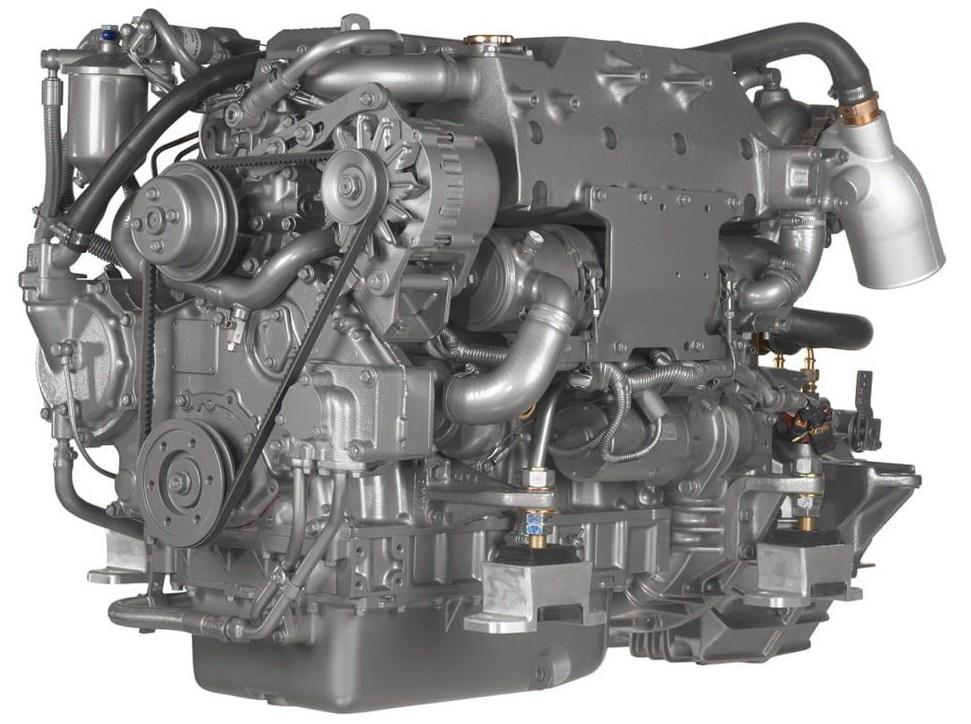
The Yanmar 4LH-STE is one of the most recognized engines in the Yanmar 4LH family and remains popular in cruising boats, trawlers, sportfishing vessels, and commercial applications. Known for reliability, fuel efficiency, and long service life, the 4LH-STE has earned a strong reputation throughout the marine industry. However, as these engines age, cooling-system maintenance, fuel quality, turbocharger condition, and service history become increasingly important. A professional Yanmar 4LH-STE marine engine survey helps identify hidden issues before purchase and provides buyers with a clear understanding of engine condition.
Schedule a Yanmar 4LH-STE Survey
About the Yanmar 4LH-STE Platform
The 4LH-STE is a turbocharged four-cylinder marine diesel engine that became widely used in recreational and commercial vessels because of its compact size, dependable performance, and fuel economy. Many examples remain in service today, making a thorough pre-purchase survey essential when evaluating a vessel.
Yanmar Survey Hub
- Yanmar Marine Engine Surveys
- Common Yanmar Marine Engine Survey Findings
- Yanmar Marine Engine Survey Checklist
- Yanmar Marine Engine Survey Sea Trial Guide
Why a Yanmar 4LH-STE Survey Is Important
Many 4LH-STE engines have accumulated decades of service. Maintenance quality varies greatly from vessel to vessel, making surveys critical for identifying future repair risks.
- Cooling-system deficiencies
- Fuel contamination
- Turbocharger wear
- Injector deterioration
- Electrical-system issues
- Oil-analysis abnormalities
- Overheating risks
- Deferred maintenance
Maintenance Record Review
Service records provide valuable insight into actual engine condition and long-term maintenance quality.
- Oil-change history
- Cooling-system service records
- Turbocharger maintenance history
- Fuel-system maintenance records
- Injector service history
- Previous survey reports
Related Resource:
Cooling-System Inspection
Cooling-system condition is one of the most important aspects of any 4LH-STE survey because overheating remains a leading cause of marine diesel failures.
- Heat exchanger inspection
- Raw-water pump evaluation
- Thermostat operation
- Coolant condition
- Cooling-hose inspection
- Leak detection
Related Resources:
Fuel-System Inspection
Fuel contamination remains one of the most common causes of Yanmar operating problems and reduced engine performance.
- Fuel quality inspection
- Water-separator inspection
- Fuel-filter evaluation
- Fuel-line inspection
- Injector evaluation
Related Resources:
- Yanmar Marine Diesel Fuel Contamination & Filtration Problems
- Yanmar Marine Engine Fuel System Upgrade
Turbocharger Inspection
The turbocharger plays a major role in horsepower production and overall engine efficiency. Wear or restrictions can significantly affect performance.
- Turbocharger condition
- Boost-leak inspection
- Air-intake inspection
- Air-filter condition
Related Resource:
Electrical-System Inspection
- Battery condition
- Charging-system output
- Starter operation
- Wiring inspection
- Ground-system evaluation
Related Resource:
Oil Analysis
Oil analysis is included with every Yanmar 4LH-STE marine engine survey and helps identify internal wear, coolant contamination, fuel dilution, and lubricant-condition concerns.
Cooling-System Pressure Testing
Cooling-system pressure testing helps identify hidden leaks and cooling-system deficiencies before purchase.
Sea Trial Evaluation
Sea trials verify engine performance under actual vessel load and frequently reveal problems not visible at the dock.
- Cold-start evaluation
- Cruise-RPM testing
- Wide-open-throttle testing
- Temperature monitoring
- Oil-pressure monitoring
- Smoke evaluation
- Vibration analysis
Cross-Brand Survey Resources
Buyers comparing vessels with different engine manufacturers may find value in reviewing survey procedures used on other commercial marine diesel platforms.
Related Yanmar Resources
- Yanmar Marine Diesel FAQ
- Yanmar Diesel Refresh With Transmission Rebuild
- Yanmar Marine Diesel Sail Drive
External Resources
Service Areas
805 Marine Diesel Mechanic performs Yanmar 4LH-STE marine engine surveys throughout Ventura Harbor, Channel Islands Harbor, Oxnard, Santa Barbara Harbor, Marina del Rey, Malibu, and Port Hueneme.
Yanmar 4LH-STE Marine Engine Survey FAQ
What is a Yanmar 4LH-STE marine engine survey?
A Yanmar 4LH-STE marine engine survey is a comprehensive pre-purchase inspection that evaluates cooling systems, fuel systems, turbochargers, electrical systems, oil analysis, sea-trial performance, and buyer risk before vessel purchase.
Why should I survey a Yanmar 4LH-STE before buying a boat?
Many 4LH-STE engines have decades of service history and may have hidden cooling-system deficiencies, fuel contamination, turbocharger wear, injector issues, or deferred maintenance.
What is included in a Yanmar 4LH-STE survey?
A complete survey includes maintenance-record review, visual inspection, cooling-system evaluation, fuel-system inspection, turbocharger inspection, electrical-system evaluation, oil analysis, cooling-system pressure testing, and sea-trial testing.
Is oil analysis included?
Yes. Oil analysis is included with every Yanmar 4LH-STE marine engine survey and helps identify wear metals, coolant contamination, fuel dilution, and lubricant-condition concerns.
Is cooling-system pressure testing included?
Yes. Cooling-system pressure testing is included and helps identify hidden leaks, deteriorated hoses, weak clamps, and cooling-system integrity concerns.
Why is cooling-system inspection important on a 4LH-STE?
Cooling-system failures remain one of the leading causes of marine diesel engine damage. Heat exchangers, raw-water pumps, thermostats, coolant condition, and seawater flow are critical inspection areas.
What cooling-system problems are commonly found?
Restricted heat exchangers, worn impellers, thermostat failures, coolant contamination, deteriorated hoses, and neglected cooler maintenance are common survey findings.
What fuel-system issues are commonly discovered?
Fuel contamination, water intrusion, microbial growth, injector wear, restricted filters, and fuel-delivery deficiencies are among the most common findings.
Why are turbochargers inspected during a survey?
Turbochargers directly affect horsepower, fuel economy, acceleration, smoke output, and overall engine performance.
What turbocharger problems are commonly found?
Survey findings often include bearing wear, boost leaks, intake restrictions, air-filter neglect, and reduced turbocharger efficiency.
Why are electrical systems inspected?
Electrical-system reliability affects starting performance, charging capability, instrumentation accuracy, and overall vessel dependability.
What electrical problems are commonly found?
Weak batteries, starter wear, charging-system deficiencies, corroded wiring, poor grounds, and voltage-drop issues are common findings.
Can a survey identify overheating concerns?
Yes. Cooling-system inspections, pressure testing, maintenance-record review, and sea-trial observations frequently reveal overheating risks before purchase.
Why is a sea trial important?
Many engine problems only appear under actual vessel load. Sea trials evaluate temperatures, oil pressure, smoke output, turbocharger response, vibration levels, and overall engine performance.
What does failure to reach rated RPM indicate?
Failure to achieve rated RPM may indicate fuel restrictions, turbocharger deficiencies, cooling-system issues, hull fouling, overloaded propellers, or reduced engine output.
Can a survey identify injector concerns?
Yes. Injector-related issues can often be identified through smoke observations, fuel-system inspection, oil analysis, and sea-trial performance.
Are Yanmar 4LH-STE engines still reliable?
Yes. Properly maintained 4LH-STE engines remain highly respected marine diesels known for durability, fuel efficiency, and long service life. Yanmar maintains a large global service and support network for marine engines and parts.
Do you perform Yanmar 4LH-STE surveys in Marina del Rey?
Yes. Marina del Rey is one of our active Yanmar marine engine survey service areas.
Do you perform Yanmar 4LH-STE surveys in Ventura Harbor and Channel Islands Harbor?
Yes. Ventura Harbor, Channel Islands Harbor, Oxnard, Santa Barbara Harbor, Marina del Rey, Malibu, and Port Hueneme are included when scheduling allows.
How do I schedule a Yanmar 4LH-STE marine engine survey?
Call 805-774-0637 or use the contact page to discuss vessel location, engine configuration, survey timing, and sea-trial availability.