
Ford Lehman Marine Engine Survey Checklist | Pre-Purchase Inspection Guide
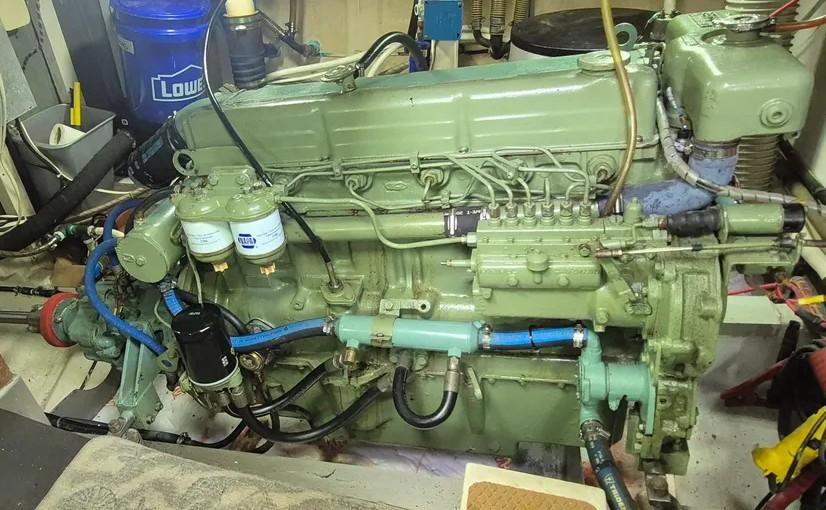
A structured survey checklist helps ensure every major Ford Lehman engine system is evaluated before purchase. While Ford Lehman engines are known for durability and long service life, most examples in service today are several decades old and require careful inspection. A comprehensive survey checklist helps identify cooling-system deficiencies, fuel contamination, exhaust-system concerns, electrical-system issues, oil-analysis abnormalities, and buyer-risk items before ownership changes hands. Ford Lehman engines continue to have strong technical support and parts availability through dedicated marine diesel suppliers.
Schedule a Ford Lehman Engine Survey
Ford Lehman Survey Navigation
- Ford Lehman Marine Engine Surveys
- Common Ford Lehman Marine Engine Survey Findings
- Ford Lehman Marine Engine Survey Sea Trial Guide
Step 1: Verify Engine Identification
- Engine model verification
- Serial-number verification
- Engine-hour documentation
- Ownership records review
- Previous survey reports review
Step 2: Review Maintenance Records
Maintenance history provides valuable insight into long-term engine care and can reveal whether critical service intervals were performed.
- Oil-change records
- Cooling-system service history
- Raw-water pump service history
- Injector service records
- Transmission service records
Step 3: Engine Room Inspection
- General cleanliness
- Fluid leaks
- Corrosion inspection
- Mount condition
- Belt condition
- Hose condition
Step 4: Cooling-System Inspection
Cooling-system condition remains one of the most important areas evaluated during a Ford Lehman survey.
- Heat exchanger inspection
- Raw-water pump inspection
- Coolant condition
- Thermostat evaluation
- Hose and clamp inspection
- Leak detection
Step 5: Fuel-System Inspection
- Fuel quality inspection
- Fuel-filter inspection
- Water-separator inspection
- Fuel-line inspection
- Injector symptom evaluation
Step 6: Exhaust-System Inspection
- Exhaust elbow condition
- Wet-exhaust hose inspection
- Clamp inspection
- Leak inspection
- Support-bracket inspection
Step 7: Electrical-System Inspection
- Battery condition
- Starter operation
- Alternator output
- Ground-system inspection
- Wiring condition
Step 8: Oil Analysis
Oil analysis helps identify internal wear metals, coolant contamination, fuel dilution, soot loading, and lubricant-condition concerns before purchase.
Step 9: Cooling-System Pressure Testing
Cooling-system pressure testing helps identify hidden leaks and cooling-system integrity concerns that may not be visible during a dockside inspection.
Step 10: Sea Trial Evaluation
- Cold-start evaluation
- Idle quality
- Cruise-RPM testing
- Temperature monitoring
- Oil-pressure monitoring
- Smoke evaluation
- Vibration analysis
- Transmission evaluation
Step 11: Buyer-Risk Assessment
- Immediate repairs required
- Recommended maintenance
- Safety concerns
- Budget planning
- Purchase-risk summary
External Resources
Service Areas
805 Marine Diesel Mechanic performs Ford Lehman marine engine surveys throughout Ventura Harbor, Channel Islands Harbor, Oxnard, Santa Barbara Harbor, Marina del Rey, Malibu, and Port Hueneme.
Ford Lehman Marine Engine Survey Checklist FAQ
What is a Ford Lehman marine engine survey checklist?
A Ford Lehman marine engine survey checklist is a structured inspection process used to evaluate engine condition, cooling systems, fuel systems, exhaust systems, electrical systems, oil analysis, sea-trial performance, and buyer risk before vessel purchase.
Why is a survey checklist important?
A checklist ensures that every major engine system is evaluated consistently and reduces the likelihood of overlooking expensive maintenance concerns or hidden defects.
What maintenance records should be reviewed?
Oil-change records, cooling-system service history, fuel-system maintenance records, injector service records, transmission service records, and previous survey reports should all be reviewed when available.
Why is engine identification important?
Verifying engine models, serial numbers, and engine hours helps confirm the vessel’s equipment and assists with future parts sourcing and maintenance planning.
Why is cooling-system inspection important?
Cooling-system condition directly affects engine reliability and longevity. Heat exchangers, raw-water pumps, thermostats, coolant condition, hoses, and clamps should all be inspected carefully.
What cooling-system problems are commonly found?
Restricted heat exchangers, deteriorated hoses, weak clamps, thermostat issues, coolant contamination, and reduced seawater flow are among the most common findings.
What fuel-system components are inspected?
Fuel tanks, filters, water separators, fuel lines, injector symptoms, and overall fuel quality are commonly evaluated during a survey.
What fuel-system issues are commonly discovered?
Water contamination, microbial growth, dirty fuel tanks, restricted filters, fuel-delivery deficiencies, and injector-related concerns are frequently found.
Why is the exhaust system inspected?
Exhaust-system failures can affect both safety and engine performance. Exhaust elbows, hoses, clamps, supports, and leakage points are important inspection items.
Why are electrical systems inspected?
Electrical-system reliability affects starting performance, charging-system output, instrumentation accuracy, and vessel dependability.
What electrical problems are commonly found?
Weak batteries, starter wear, alternator deficiencies, corroded terminals, poor grounds, aging wiring, and voltage-drop issues are common survey findings.
Is oil analysis included?
Yes. Oil analysis is included and helps identify wear metals, coolant contamination, fuel dilution, soot loading, and lubricant-condition concerns.
Is cooling-system pressure testing included?
Yes. Cooling-system pressure testing is included and helps identify hidden leaks, weak hoses, clamp issues, and cooling-system integrity concerns.
Why is a sea trial important?
Many engine problems only become visible under actual vessel load. Sea trials help identify overheating concerns, fuel restrictions, smoke issues, vibration, and transmission problems.
What is evaluated during a sea trial?
Cold-start behavior, idle quality, cruise RPM operation, temperatures, oil pressure, smoke output, vibration levels, transmission operation, and overall performance are evaluated.
Can a survey identify overheating concerns?
Yes. Cooling-system inspections, pressure testing, maintenance-record review, and sea-trial observations frequently reveal overheating risks before purchase.
Can a survey identify transmission concerns?
Yes. Transmission-fluid condition, leaks, engagement quality, vibration, and operating behavior are evaluated during the inspection and sea trial.
Are Ford Lehman parts still available?
Yes. Dedicated Ford Lehman suppliers continue to provide technical support, owner resources, maintenance information, and replacement parts for many Ford Lehman models. :contentReference[oaicite:0]{index=0}
Do you perform Ford Lehman surveys in Marina del Rey?
Yes. Marina del Rey is one of our active Ford Lehman marine engine survey service areas.
How do I schedule a Ford Lehman marine engine survey?
Call 805-774-0637 or use the contact page to discuss vessel location, engine model, survey timing, and sea-trial availability.