
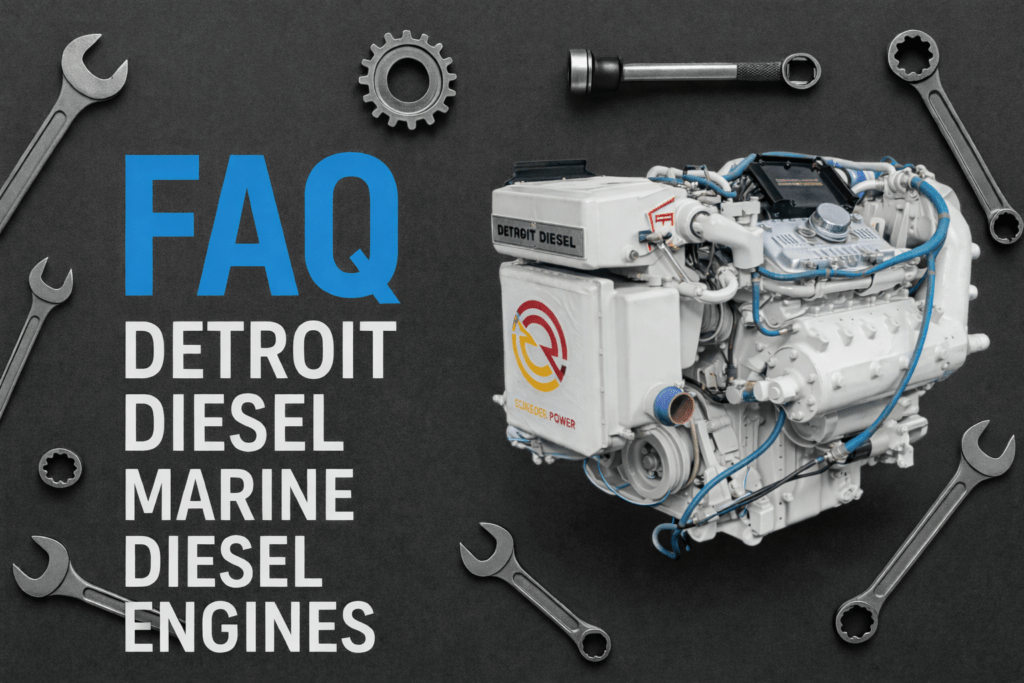
Detroit Diesel marine engines like the 6-71, 8V71, and 6V92 are some of the most recognizable engines ever installed in boats. They are loud, simple, and incredibly durable—but only when cooling, fuel, and air systems are properly maintained.
This guide connects directly to our Master Marine Diesel Troubleshooting Guide and is built from real-world service experience in Ventura, Oxnard, Channel Islands Harbor, and Santa Barbara.
Schedule Detroit Diesel Service
Detroit Diesel Engine Overview & Reliability
Detroit Diesel two-stroke engines are designed for continuous operation and heavy-duty use. Their blower-driven air system and mechanical injection make them extremely reliable—but also very sensitive to airflow, cooling, and fuel delivery issues.
Common Detroit Diesel Problems
Most Detroit Diesel failures we see today are not internal engine failures—they are system failures.
- Cooling restrictions: clogged heat exchangers, failed pumps
- Fuel contamination: injector wear and poor combustion
- Airflow restriction: dirty airbox, blower inefficiency
- Exhaust restriction: clogged elbows or wet exhaust issues
- Electrical degradation: wiring and starting problems
Related:
Cooling System & Overheating Diagnosis
Overheating is the most common Detroit Diesel issue—and almost always starts with raw water flow.
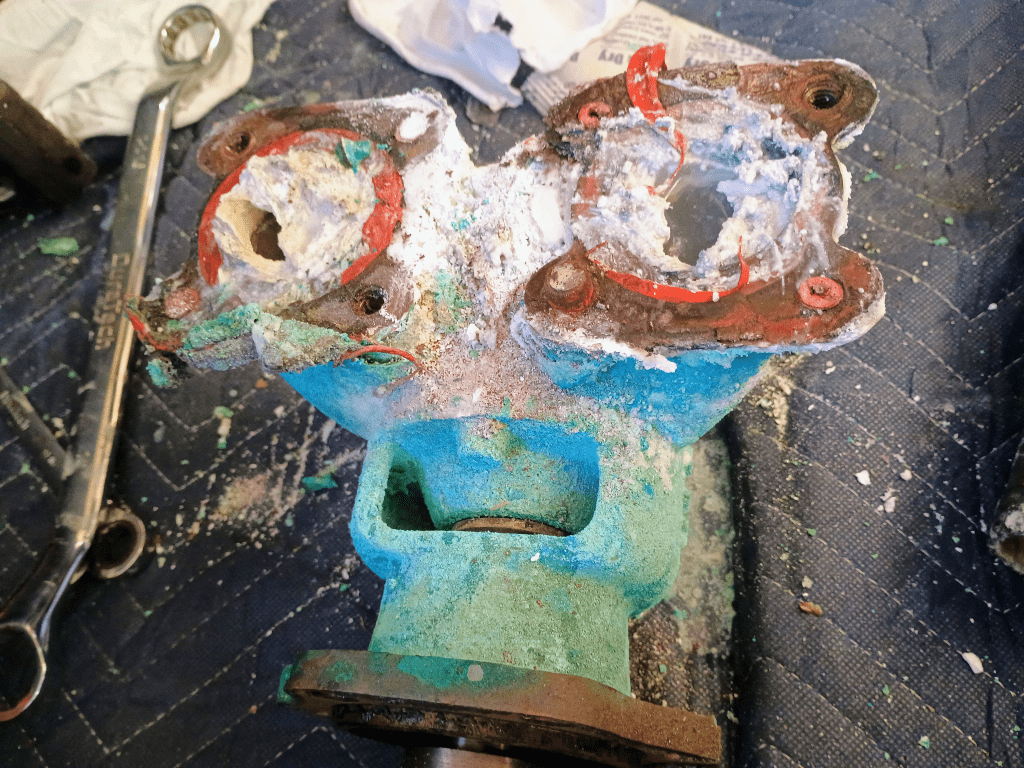
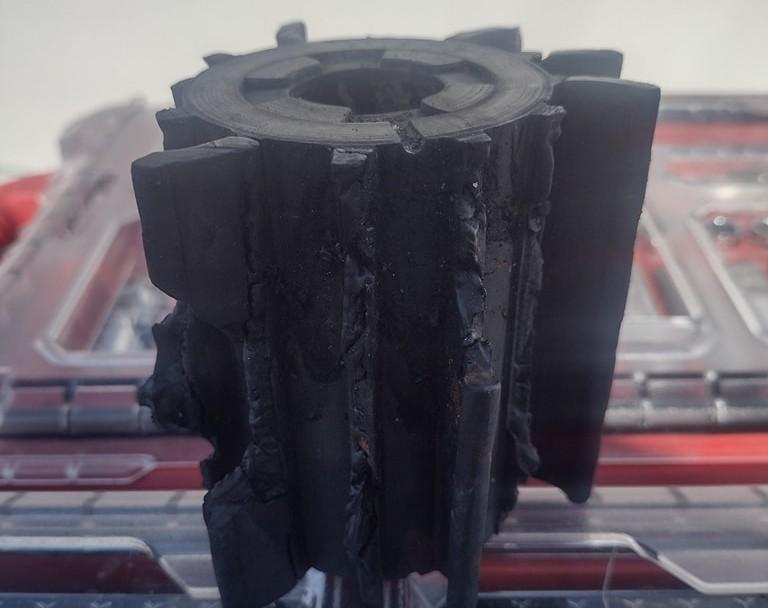
Common causes include:
- Impeller failure
- Heat exchanger blockage
- Collapsed suction hoses
- Corroded pump housings
Preventive maintenance like fresh water flushing is critical in saltwater.
How We Diagnose Detroit Diesel Engines
We follow a structured diagnostic approach:
- Raw water flow verification
- Cooling system inspection
- Fuel system testing
- Airflow and blower evaluation
- Compression testing if needed
This prevents unnecessary parts replacement and ensures accurate repair.
External Resources for Detroit Diesel Owners
- BoatUS maintenance and safety resources
- Yachting Magazine technical articles
- Detroit Diesel official website
- MTU / Detroit Diesel legacy support information