
Cummins Marine Technology Upgrades for Offshore Reliability & Performance
Cummins marine technology upgrades continue transforming offshore diesel performance through advanced ECU controls, digital vessel monitoring, high-pressure fuel systems, Fleetguard filtration, turbocharger efficiency improvements, and predictive maintenance technologies.
805 Marine Diesel Mechanic provides mobile Cummins technology upgrades, dockside diagnostics, Fleetguard filtration systems, ECU updates, cooling-system optimization, digital vessel monitoring integration, and offshore diesel support throughout Ventura, Oxnard, Channel Islands Harbor, and Santa Barbara.
Modern offshore vessels increasingly depend on digital monitoring, fuel-efficiency optimization, predictive diagnostics, and advanced filtration systems to reduce downtime while improving fuel economy and offshore reliability.
If your Cummins diesel is already showing unstable RPM, smoke, injector problems, electronic faults, or overheating under load, begin with the Master Marine Diesel Troubleshooting Guide before larger failures develop.
Schedule Cummins Upgrade Consultation
Electronic Fuel Injection Improvements
Modern electronic fuel injection systems dramatically improve fuel atomization, combustion efficiency, throttle response, and emissions performance compared to older mechanical injection systems.
- Improved throttle response
- Cleaner combustion
- Lower fuel consumption
- Reduced smoke output
- More stable idle quality
- Improved offshore acceleration
Modern fuel systems also improve long-term injector protection when paired with proper filtration and clean fuel management.
Helpful technology references include Cummins Marine QSL9.
ECU Software and Smart Engine Controls
Modern ECU systems continuously monitor engine temperature, boost pressure, fuel delivery, RPM stability, sensor performance, and operating load while adjusting engine operation in real time.
- Real-time engine monitoring
- Improved protection strategies
- Fault-code tracking
- Performance optimization
- Predictive diagnostics
- Improved offshore reliability
Updated ECU calibration often improves startup quality, throttle smoothness, fuel efficiency, and load management under offshore conditions.
Helpful support references include Dock Command Joystick Systems.
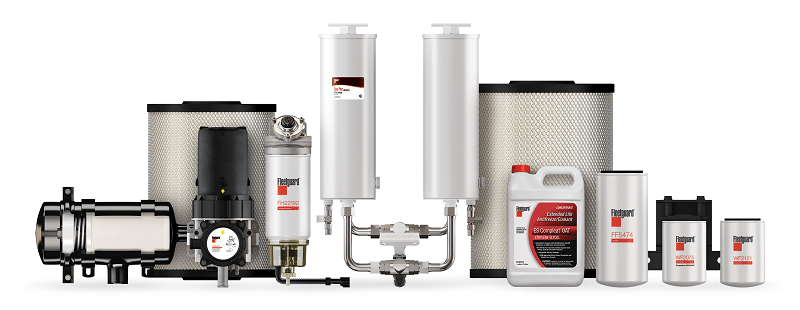
Fleetguard Filtration and Fuel-System Protection
Modern common-rail marine diesel systems require extremely clean fuel and stable filtration to protect injectors, pumps, and combustion efficiency.
Fleetguard filtration systems commonly improve:
- Fuel cleanliness
- Injector protection
- Oil contamination monitoring
- Service intervals
- Water separation
- Fuel-system stability
FleetguardFIT technology provides real-time filtration and oil-quality monitoring while helping operators detect developing contamination problems before failures occur.
Helpful filtration references include Cummins Fuel-System Upgrades.
Variable Geometry Turbocharger (VGT) Upgrades
Variable Geometry Turbochargers help optimize airflow across a wider RPM range while improving transient throttle response and reducing lag.
- Improved low-end torque
- Better transient response
- Reduced turbo lag
- Improved efficiency
- Cleaner combustion
- Broader power curve
Modern VGT systems help vessels maintain stable performance under changing offshore load conditions.
High-Pressure Common Rail Fuel Systems
High-pressure common-rail systems allow extremely precise fuel metering and combustion management compared to older mechanical systems.
- Improved fuel atomization
- Lower emissions
- Reduced startup smoke
- More stable combustion
- Improved cruise efficiency
However, HPCR systems require exceptionally clean fuel and proper filtration maintenance to prevent expensive injector-system failures.
Digital Monitoring and Remote Vessel Analytics
Modern marine analytics platforms allow operators to monitor engine health remotely while tracking fuel consumption, operating temperatures, maintenance intervals, and system alerts.
- Remote diagnostics
- Predictive maintenance alerts
- Live engine monitoring
- Fuel-use tracking
- Maintenance scheduling
- Data reporting
These systems help reduce unplanned downtime while improving maintenance planning and offshore reliability.
Helpful remote-monitoring references include Siren Marine Connected Boat.
Optimized Cooling-System Technology
Marine cooling systems remain one of the most important areas of offshore diesel reliability. Technology upgrades now improve heat transfer efficiency, seawater flow, and corrosion protection.
- Improved exchanger efficiency
- Enhanced seawater pumps
- Improved coolant circulation
- Better temperature stability
- Extended component life
Cooling-system optimization becomes especially important for offshore sportfishing boats and commercial vessels operating under continuous heavy loads.
Performance Calibration and Vessel-Specific Tuning
Different vessels require different power-delivery characteristics depending on duty cycle, operating RPM, propeller loading, and offshore usage patterns.
- Sportfishing tuning
- Commercial load optimization
- Long-range cruise calibration
- Fuel-efficiency optimization
- Throttle-response tuning
Sea-trial data and operating history help determine the best tuning strategy for each vessel.
Marine Engine Surveys and Upgrade Planning
Technology upgrades work best when paired with full engine-room evaluation and marine survey-style diagnostics.
Survey evaluations commonly include:
- Cooling-system inspections
- Fuel-system analysis
- Oil-condition review
- Electronic diagnostics
- Sea-trial performance verification
- Drivetrain observations
Helpful survey references include Volvo Penta AD41P-A Marine Engine Survey and Detroit Diesel 8V92TI Marine Engine Survey.
Technology Upgrades for Commercial Offshore Operations
Commercial offshore operators increasingly depend on predictive diagnostics, fuel-efficiency optimization, and digital monitoring to reduce operating costs and prevent downtime.
- Reduced fuel consumption
- Extended service intervals
- Improved uptime
- Better emissions compliance
- Improved operational planning
Long-range commercial reliability depends heavily on preventative maintenance combined with intelligent diagnostics and fuel management.
Helpful maintenance references include Scania Marine Maintenance Schedule, MAN Marine Maintenance Schedule, and Perkins Marine Maintenance Schedule.
Hybrid and Electric Marine Integration
Hybrid propulsion systems continue growing in popularity because of improved fuel efficiency, quieter operation, emissions reduction, and operational flexibility.
- Diesel-electric integration
- Reduced fuel usage
- Improved maneuverability
- Quieter operation
- Lower emissions
Hybrid technology will likely become increasingly important for both recreational and commercial offshore applications.
Mobile Cummins Technology Upgrade Support Throughout Ventura and Santa Barbara
805 Marine Diesel Mechanic provides mobile dockside Cummins upgrade support, digital diagnostics, Fleetguard filtration installation, ECU updates, cooling-system optimization, and offshore diesel support throughout Ventura, Oxnard, Channel Islands Harbor, and Santa Barbara.
Mobile dockside support allows systems to be diagnosed and upgraded directly at the vessel while minimizing downtime and transportation costs.
For additional marine diesel technology information, review Fleetguard and ABYC Standards.
Final Thoughts
Modern Cummins marine technology upgrades provide major improvements in fuel efficiency, diagnostics, reliability, emissions performance, and offshore operational awareness.
With proper ECU integration, advanced filtration, predictive monitoring, cooling-system optimization, and preventative maintenance, modern marine diesel systems can deliver excellent offshore performance throughout California’s demanding coastal waters.
Cummins Marine Technology Upgrade FAQ
What are the benefits of ECU upgrades?
ECU upgrades improve diagnostics, fuel delivery, protection strategies, throttle response, and offshore reliability.
What does FleetguardFIT monitor?
Fleetguard FIT monitors oil condition, filtration performance, contamination trends, and maintenance intervals.
Why are common-rail systems more efficient?
Common-rail systems provide more precise fuel metering, cleaner combustion, and improved fuel efficiency.
What does a Variable Geometry Turbocharger do?
VGT systems improve airflow control, low-end torque, throttle response, and overall engine efficiency.
Can digital monitoring reduce offshore failures?
Yes, predictive monitoring systems help detect developing problems before major failures occur.
Do you provide mobile dockside technology upgrades?
Yes, 805 Marine Diesel Mechanic provides mobile dockside Cummins upgrade and diagnostic support.
What areas do you service?
Service areas include Ventura, Oxnard, Channel Islands Harbor, and Santa Barbara.
Do you service gasoline or outboard engines?
No, 805 Marine Diesel Mechanic specializes exclusively in inboard marine diesel systems.
Why are filtration upgrades important?
Filtration upgrades protect injectors, improve fuel cleanliness, and reduce contamination-related failures.
Can technology upgrades improve fuel economy?
Yes, ECU tuning, common-rail systems, advanced turbocharging, and predictive monitoring can all improve fuel efficiency.