
Cummins QSC Marine Engine Survey | Pre-Purchase Inspection & Sea Trial Evaluation
The Cummins QSC is one of the most popular electronically controlled marine diesel engines found in sportfishing boats, express cruisers, motor yachts, and commercial vessels. A Cummins QSC marine engine survey helps buyers evaluate engine condition, cooling-system health, aftercooler maintenance, electronic diagnostic history, turbocharger performance, oil analysis results, and sea-trial operation before completing a vessel purchase.
Schedule a Cummins QSC Engine Survey
Cummins QSC Marine Engine Survey for Yacht Buyers
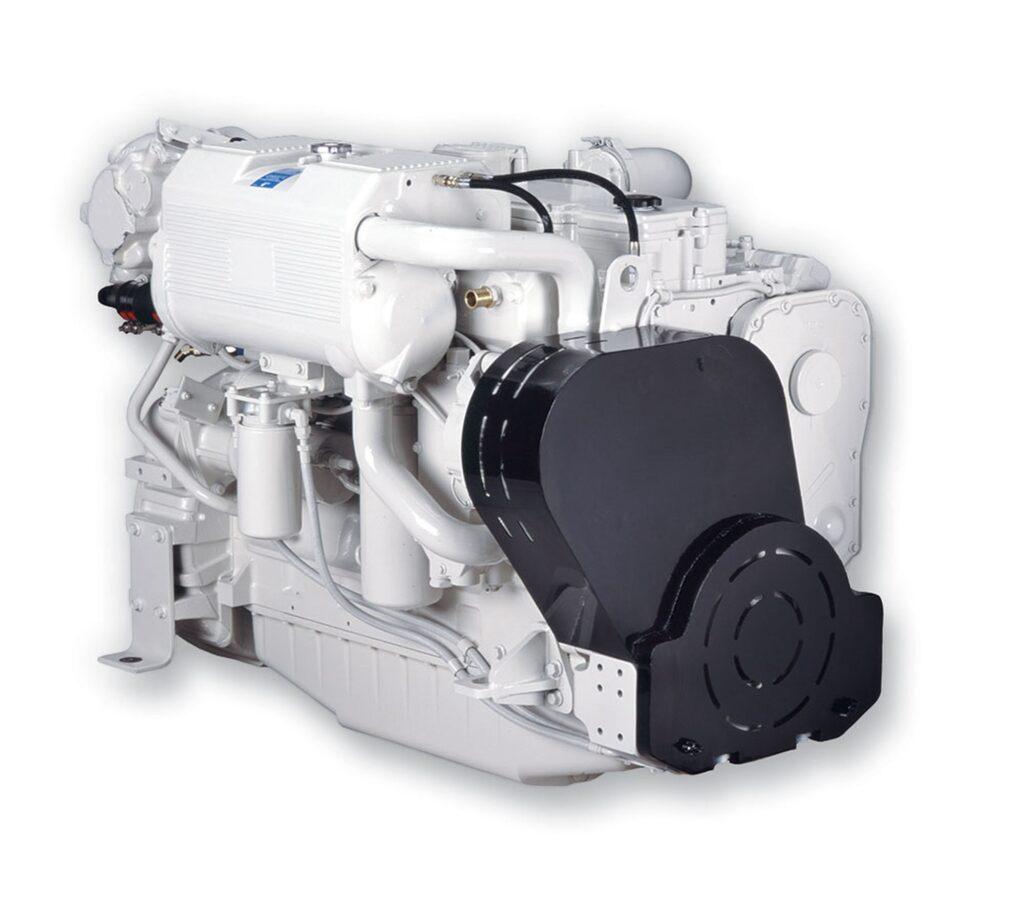
The Cummins QSC 8.3 is a turbocharged, aftercooled, electronically controlled inline-six marine diesel that uses high-pressure common rail fuel injection and Quantum electronic controls. The platform is widely respected for its power density, fuel efficiency, diagnostics capability, and reliability when properly maintained.
Because the QSC relies on electronic controls, aftercooler efficiency, fuel-system performance, and cooling-system integrity, buyers should perform a complete pre-purchase engine survey rather than relying solely on dockside operation.
This page supports our Cummins Marine Engine Surveys Hub and our primary Marine Engine Survey service page.
Why Buyers Request a Cummins QSC Marine Engine Survey
The QSC platform combines high-pressure common rail fuel delivery, electronic engine management, turbocharging, and aftercooling. While these features provide excellent performance, they also create systems that should be carefully evaluated before purchase. :contentReference[oaicite:1]{index=1}
Buyers frequently want confirmation that the engine can achieve rated RPM, maintain proper operating temperature, produce normal boost, and operate without active or stored fault conditions.
Common Cummins QSC Survey Findings
Aftercooler Service History
One of the most important QSC survey items is aftercooler maintenance history. Buyers should verify when the aftercooler was serviced, inspected, cleaned, and pressure tested.
Cooling-System Concerns
Heat exchangers, seawater pumps, thermostats, coolers, hoses, coolant condition, and cooling-system pressure-test results should all be reviewed carefully.
Electronic Diagnostic Findings
The Cummins Quantum electronic control system provides valuable operating information including fault history, sensor data, engine-load information, and operating events.
Turbocharger Performance
The QSC utilizes a turbocharged and aftercooled intake system. Boost response, smoke behavior, acceleration, and overall performance should be evaluated under load.
Fuel-System Performance
Because the QSC uses a high-pressure common rail fuel system, fuel quality, filtration condition, injector performance, and fuel delivery should be evaluated carefully.
What Is Evaluated During a Cummins QSC Survey?
- Engine-room condition
- Cooling-system inspection
- Aftercooler evaluation
- Fuel-system inspection
- Turbocharger inspection
- Electronic diagnostics
- Oil analysis
- Cooling-system pressure testing
- Exhaust-system evaluation
- Maintenance-record review
- Sea-trial testing
Cummins QSC Sea Trial Evaluation
The sea trial is often the most valuable portion of a Cummins QSC survey. Many engine problems only become visible under actual operating loads.
During sea trial, the engine should be evaluated for:
- Rated RPM achievement
- Cruise RPM operation
- Temperature stability
- Oil pressure
- Smoke output
- Turbocharger response
- Acceleration
- Vibration
- Overall load-carrying ability
Failure to reach rated RPM may indicate propeller overload, hull fouling, fuel restriction, airflow restriction, turbocharger issues, or engine-performance concerns.
Why Oil Analysis Is Included
Every Cummins QSC survey performed by 805 Marine Diesel Mechanic includes oil analysis. Laboratory testing may identify wear metals, coolant contamination, fuel dilution, soot loading, and lubricant condition that cannot be seen during visual inspection.
Why Cooling-System Pressure Testing Is Included
Cooling-system failures are among the most expensive marine diesel repairs. Pressure testing helps evaluate system integrity and identify concerns before purchase.
Common Cummins QSC Purchase Risks
- Missing maintenance records
- Unknown aftercooler service history
- Cooling-system neglect
- Fuel contamination
- Injector concerns
- Turbocharger performance issues
- Stored fault codes
- Low RPM under load
- Black smoke during sea trial
- Overheating at cruise speed
Related Cummins Survey Resources
- Cummins Marine Engine Surveys Hub
- Common Cummins Marine Engine Survey Findings
- Cummins QSM11 Marine Engine Survey
- Cummins 6CTA Marine Engine Survey
- Cummins 6BTA Marine Engine Survey
- Contact 805 Marine Diesel Mechanic
Service Areas
805 Marine Diesel Mechanic provides Cummins QSC marine engine surveys throughout Ventura Harbor, Channel Islands Harbor, Oxnard, Santa Barbara Harbor, Marina del Rey, Malibu, and Port Hueneme.
Authority Resources
For manufacturer information visit Cummins Marine QSC and the American Boat & Yacht Council.
Cummins QSC Marine Engine Survey FAQ
What is a Cummins QSC marine engine survey?
A Cummins QSC marine engine survey is a detailed inspection of engine condition, cooling systems, aftercoolers, fuel systems, turbochargers, diagnostics, oil analysis, and sea-trial performance before purchase.
Is the Cummins QSC a reliable marine engine?
Yes. The Cummins QSC is widely regarded as a durable and reliable marine diesel when properly maintained and serviced.
What are common Cummins QSC survey findings?
Common findings include cooling-system concerns, aftercooler maintenance issues, fuel-system problems, stored fault codes, turbocharger concerns, black smoke, and low RPM under load.
Why is aftercooler service important on a Cummins QSC?
The QSC relies on a turbocharged and aftercooled intake system. Aftercooler condition directly affects airflow, performance, smoke output, and reliability.
Can diagnostics be performed on a Cummins QSC?
Yes. The Quantum electronic control system may provide fault history, sensor information, engine-load data, and operating history.
Is oil analysis included?
Yes. Oil analysis is included with every Cummins QSC marine engine survey.
Is cooling-system pressure testing included?
Yes. Cooling-system pressure testing is included with every Cummins QSC survey.
Is a sea trial included?
Yes. Sea-trial evaluation is included whenever vessel access and conditions permit.
What is evaluated during a sea trial?
RPM, temperature, oil pressure, smoke output, boost response, vibration, acceleration, and overall engine performance.
What causes black smoke on a Cummins QSC?
Black smoke may be caused by airflow restriction, low boost, injector issues, fuel-system problems, aftercooler concerns, or excessive vessel load.
Can a survey identify overheating concerns?
Yes. Cooling-system performance is evaluated during inspection and sea trial.
Can a survey identify turbocharger problems?
Yes. Turbocharger response, boost behavior, smoke output, and performance are evaluated during testing.
What fuel system does the Cummins QSC use?
The Cummins QSC uses a high-pressure common rail fuel system with electronic engine management.
Can twin QSC engines be compared?
Yes. Port and starboard engines should be compared for RPM, temperature, oil pressure, smoke, and performance.
Can a survey reduce purchase risk?
Yes. A survey helps identify expensive mechanical concerns before closing on a vessel.
Do you perform Cummins QSC surveys in Marina del Rey?
Yes. Marina del Rey is one of our primary service areas.
Do you perform Cummins QSC surveys in Ventura Harbor?
Yes. Ventura Harbor and Channel Islands Harbor are core service locations.
How much does a Cummins QSC survey cost?
Computerized surveys are $950 per engine and mechanical surveys are $750 per engine. The QSC is typically surveyed as a computerized engine.
Why is oil analysis important?
Oil analysis may reveal wear metals, coolant contamination, fuel dilution, and lubricant condition that cannot be seen during visual inspection.
How do I schedule a Cummins QSC marine engine survey?
Call 805-774-0637 or use the contact page to discuss your vessel and survey requirements.