
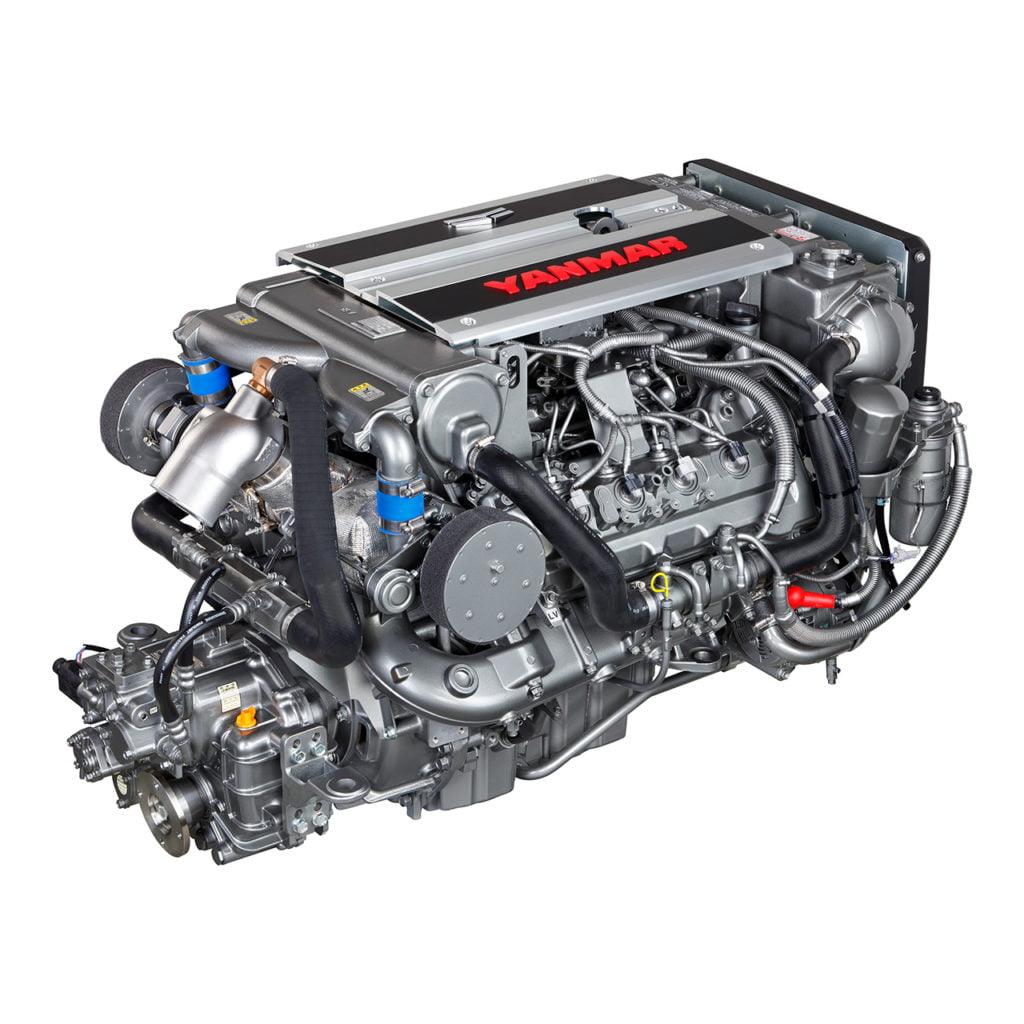
Yanmar Marine Engine Maintenance Schedule performed by trained technicians at 805 Marine Diesel Mechanic, serving Ventura, Oxnard, Channel Islands Harbor, and Santa Barbara. This upgraded MDEMS version expands your original schedule into a real-world maintenance system built from over 30 years of marine diesel experience.
Yanmar engines are known for reliability, efficiency, and clean power delivery—but they are still completely dependent on proper maintenance. Most failures we diagnose are not mechanical defects. They are the result of restricted cooling systems, contaminated fuel, neglected oil changes, or missed service intervals.
If your engine is already showing symptoms like loss of power, smoke, or overheating, start with the Master Marine Diesel Troubleshooting Guide.
Need Yanmar Service in the 805?
We provide dockside Yanmar diesel maintenance in Ventura, Oxnard, Channel Islands Harbor, and Santa Barbara.
Why Yanmar Maintenance Matters
Yanmar engines are extremely efficient, but that efficiency depends on balance across multiple systems. Cooling, fuel delivery, air intake, and lubrication must all work together. When one system begins to degrade—even slightly—it affects combustion quality, temperature control, and long-term durability.
In Central Coast conditions, saltwater exposure accelerates scale buildup inside heat exchangers and aftercoolers. Fuel quality can vary, especially in boats that sit for long periods. Belts, hoses, and electrical connections degrade faster in marine environments. That is why strict maintenance is critical.
Daily Maintenance
- Drain fuel/water separator
- Check coolant level
- Check air filter indicator
- Check engine oil level
- Check transmission oil level
Real-world insight: Daily checks are the most overlooked—and most valuable—part of maintenance. Catching water in fuel or low coolant early prevents major damage later.
250 Hours or Annual Service
- Replace fuel filters
- Change engine oil and filter
- Replace seawater impeller
- Inspect pump seals
- Flush cooling system
- Replace zinc anodes
- Inspect turbocharger and air filter
- Inspect belts and tensioner
- Service transmission
This is your primary protection interval. Fuel contamination, cooling restriction, and oil breakdown are the three most common failure paths—and all are addressed here.
Prevent Power Loss & Overheating
Most Yanmar failures start in the cooling or fuel system. Prevent them before they start.
500 Hours or Yearly
- Replace impeller and seals
- Replace coolant
- Clean turbocharger
- Replace hoses if needed
- Replace mixing elbow
- Inspect wiring
- Drain fuel tank condensation
- Replace oil and filters
This interval resets your engine’s reliability. Cooling efficiency, fuel quality, and airflow are restored together.
750 Hours or 2-Year Service
- Replace filters and oil
- Replace impeller and anodes
- Flush cooling system
- Inspect turbo and hoses
- Check shaft alignment
- Inspect electrical system
This is where long-term wear shows up. Addressing these items prevents major failures later.
System-Based Failure Prevention
Cooling System
The number one failure point. Most overheating issues begin with restricted seawater flow. This starts at the strainer, then impeller, then heat exchanger scaling. See Cooling System Diagnosis.
Fuel System
Dirty fuel causes injector damage, smoke, and power loss. Always replace filters early. Visit Fuel System Diagnosis.
Air & Turbo System
Restricted airflow reduces combustion efficiency. Dirty air filters and fouled turbochargers reduce power and increase exhaust temperature.
Electrical System
Corroded connections create intermittent failures. These are often mistaken for major engine issues.
Why Maintenance Saves You Money
- Prevents breakdowns
- Extends engine life
- Improves fuel efficiency
- Maintains resale value
- Improves safety offshore
Need a Custom Yanmar Maintenance Plan?
We tailor maintenance based on real usage—not just factory intervals.
Yanmar Marine Maintenance FAQ
1. How often should a Yanmar engine be serviced?
Daily checks plus 250, 500, and 750-hour intervals.
2. What causes overheating?
Restricted seawater flow or scaling.
3. When replace impeller?
Every 250–500 hours.
4. Why change coolant?
Prevents corrosion and overheating.
5. What causes power loss?
Fuel restriction or air restriction.
6. Why inspect turbo?
Maintains airflow and efficiency.
7. What is valve adjustment?
Ensures proper combustion timing.
8. Why drain fuel water?
Prevents injector damage.
9. What fails first?
Cooling system components.
10. Should I log maintenance?
Yes for tracking and resale.
Schedule Your Yanmar Service
Serving Ventura • Oxnard • Channel Islands Harbor • Santa Barbara
30+ years marine diesel experience