
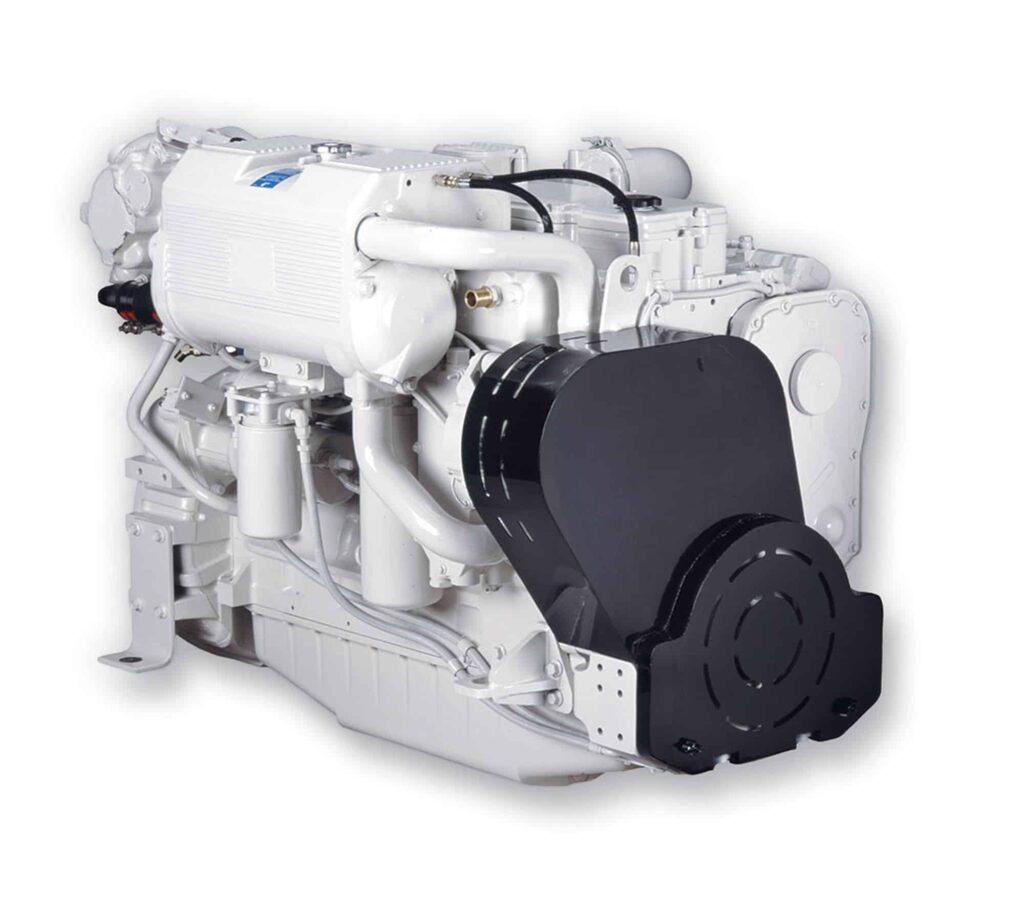
Cummins QSC-8.3 Marine Diesel Engine Service, SmartCraft Diagnostics & Offshore Reliability
The Cummins QSC-8.3 marine diesel engine remains one of the most trusted propulsion platforms for commercial vessels, patrol boats, sportfishing yachts, offshore cruisers, and heavy-duty recreational applications requiring dependable torque, efficient fuel consumption, and reliable offshore operation.
805 Marine Diesel Mechanic specializes exclusively in inboard marine diesel systems and provides mobile dockside diagnostics, SmartCraft troubleshooting, ECU updates, cooling-system service, fuel-system optimization, preventative maintenance, and offshore Cummins diesel support throughout Ventura, Oxnard, Channel Islands Harbor, and Santa Barbara.
Marine diesel engines operating offshore continuously face vibration, saltwater corrosion, marine growth, fuel contamination, and thermal stress that gradually affect cooling systems, injectors, turbochargers, electronics, and drivetrain components.
If your QSC-8.3 is already showing overheating, smoke, hard starting, unstable RPM, or electronic alarms, begin with the Master Marine Diesel Troubleshooting Guide before larger offshore failures develop.
Schedule Cummins QSC-8.3 Service
Overview of the Cummins QSC-8.3 Marine Platform
The QSC-8.3 combines strong horsepower density, high-pressure common-rail fuel delivery, electronic engine management, and excellent long-term durability into a compact offshore propulsion package.
- 8.3-liter displacement
- Inline 6-cylinder design
- Turbocharged and aftercooled
- 24-valve cylinder head
- HPCR fuel injection
- Quantum ECM and SmartCraft integration
The QSC-8.3 remains especially popular for California offshore applications because of its smooth throttle response, efficient cruise performance, and relatively compact engine-room footprint.
Helpful engine references include Cummins Marine Boat Mechanic.
HPCR Fuel Delivery and Combustion Efficiency
The High-Pressure Common Rail fuel system precisely meters and atomizes fuel to improve combustion quality, throttle response, fuel economy, and emissions performance.
- Improved fuel atomization
- Reduced startup smoke
- Improved acceleration
- Cleaner combustion
- Lower fuel consumption
- More stable idle quality
HPCR systems require exceptionally clean fuel and stable filtration to protect injectors and maintain offshore reliability.
Routine fuel polishing and proper filtration maintenance help reduce injector wear while improving long-term performance.
SmartCraft and Quantum ECM Monitoring
SmartCraft and Quantum ECM systems continuously monitor engine performance while providing valuable diagnostic and operational information.
- Live-data monitoring
- Fuel-burn tracking
- Fault-code monitoring
- Temperature analysis
- Sensor diagnostics
- Performance trend tracking
Modern electronic monitoring allows developing problems to be identified before catastrophic offshore failures occur.
Cooling-System Service and Saltwater Protection
Marine cooling systems constantly battle saltwater corrosion, marine growth, mineral scale buildup, and restricted raw-water flow.
Routine cooling-system service commonly includes:
- Heat exchanger inspections
- Aftercooler cleaning
- Sea strainer service
- Impeller replacement
- Coolant analysis
- Raw-water flow testing
- Zinc replacement
Many overheating problems only appear under sustained offshore RPM loads, making sea-trial verification critical after repairs or maintenance.
Helpful maintenance references include Preventative Maintenance Schedule for Cummins Marine Engines.
Turbocharger Performance and Airflow Efficiency
Turbocharger efficiency directly affects combustion quality, smoke levels, fuel efficiency, and offshore acceleration.
- Improved airflow density
- Reduced smoke output
- Better transient response
- Improved combustion efficiency
- Improved throttle response
Turbocharger inspections become especially important for offshore vessels operating continuously under heavy load.
Commercial and Recreational Marine Applications
The QSC-8.3 platform performs exceptionally well across both recreational and commercial marine applications.
Common vessel applications include:
- Sportfishing boats
- Patrol vessels
- Passenger ferries
- Commercial trawlers
- Offshore cruisers
- Government support vessels
Its balance of horsepower density, reliability, and emissions compliance makes it a strong choice for modern offshore vessels.
Preventative Maintenance and Offshore Reliability
Preventative maintenance remains one of the most important factors in reducing downtime and extending marine diesel engine life.
Structured maintenance programs commonly include:
- Oil analysis
- Fuel sampling
- Cooling-system inspections
- Scheduled filter replacement
- Digital diagnostics
- Sea-trial verification
- Operational trend analysis
Routine maintenance planning helps identify developing failures before major offshore breakdowns occur.
Helpful maintenance references include Caterpillar Marine Maintenance Schedule, Cummins Marine Engine Scheduled Maintenance, and Yanmar Marine Maintenance Schedule.
Repower Planning and Engine-Room Integration
The QSC-8.3 remains highly popular for repower projects because of its compact size, strong power-to-weight ratio, and modern electronic integration.
Repower planning commonly includes:
- Engine-room measurements
- Cooling-system redesign
- Fuel-system upgrades
- Transmission compatibility
- Shaft alignment verification
- SmartCraft integration
Proper installation and commissioning remain critical for long-term offshore reliability after repower projects.
Cross-Platform Maintenance Strategies
Maintenance strategies often overlap across multiple heavy-duty marine diesel platforms.
Helpful cross-platform maintenance references include Ford Lehman Marine Maintenance Schedule and Scania Marine Maintenance Schedule.
Mobile Cummins QSC-8.3 Service Throughout Ventura and Santa Barbara
805 Marine Diesel Mechanic provides mobile dockside diagnostics, SmartCraft troubleshooting, cooling-system service, preventative maintenance, fuel-system optimization, and offshore Cummins diesel support throughout Ventura, Oxnard, Channel Islands Harbor, and Santa Barbara.
Mobile dockside service allows systems to be diagnosed and repaired directly at the vessel while minimizing downtime and transportation costs.
For additional marine diesel information, review Cummins Marine and ABYC Standards.
Final Thoughts
The Cummins QSC-8.3 remains one of the most dependable and versatile marine propulsion platforms available for commercial and recreational offshore applications.
With proper preventative maintenance, SmartCraft diagnostics, fuel-system care, cooling-system management, and professional offshore diesel support, the QSC-8.3 can deliver excellent long-term reliability throughout California’s demanding coastal marine environment.
Cummins QSC-8.3 Marine Diesel FAQ
What boats commonly use the Cummins QSC-8.3?
The QSC-8.3 is commonly installed in sportfishing boats, patrol vessels, ferries, cruisers, and commercial workboats.
Why is HPCR fuel injection important?
HPCR systems improve combustion efficiency, fuel economy, throttle response, and emissions performance.
What does SmartCraft monitoring provide?
SmartCraft monitoring provides live engine data, fuel-use tracking, fault codes, and operational diagnostics.
What causes marine diesel overheating?
Common causes include restricted seawater flow, damaged impellers, scale buildup, and cooling-system restriction.
Why are turbocharger inspections important?
Turbocharger inspections help maintain airflow efficiency, combustion quality, and offshore performance.
Do you provide mobile dockside service?
Yes, 805 Marine Diesel Mechanic provides mobile dockside Cummins diesel support throughout the Central Coast.
Do you service outboards or gasoline engines?
No, 805 Marine Diesel Mechanic specializes exclusively in inboard marine diesel systems.
What areas do you service?
Service areas include Ventura, Oxnard, Channel Islands Harbor, and Santa Barbara.
Can the QSC-8.3 be used for repower projects?
Yes, the QSC-8.3 is commonly used in repower projects because of its compact size and strong horsepower density.
Why is preventative maintenance important?
Preventative maintenance helps reduce downtime, extend engine life, and improve offshore reliability.