
Ford Lehman Marine Engine Surveys | Pre-Purchase Diesel Engine Inspections
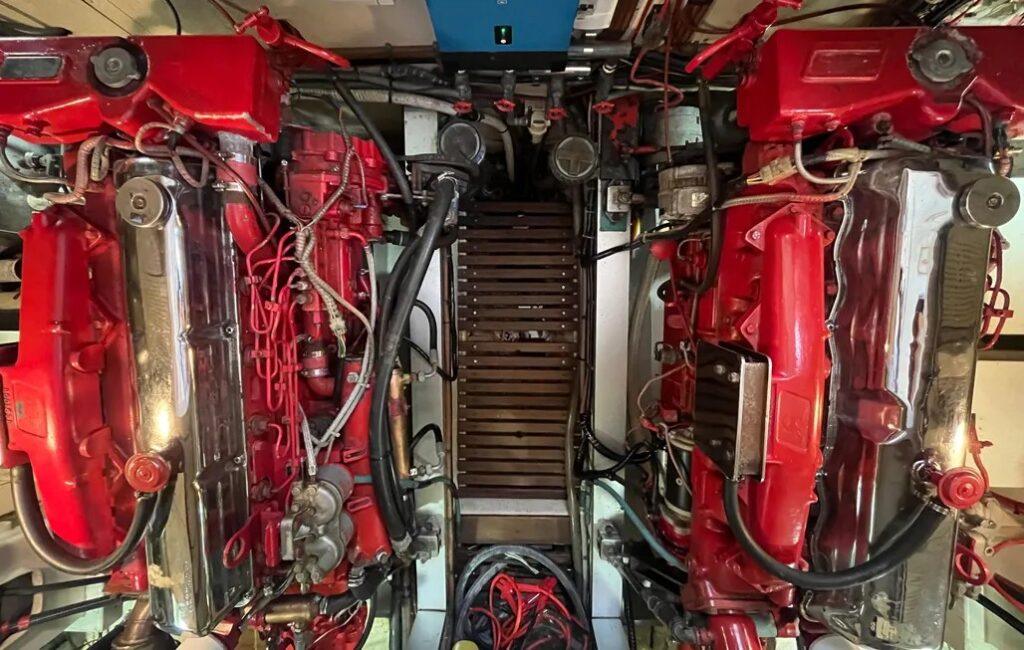
Ford Lehman marine diesel engines are among the most respected classic propulsion engines found in trawlers, cruisers, commercial vessels, and long-range displacement boats. Known for simplicity, durability, and steady low-RPM operation, Ford Lehman engines remain popular with buyers looking at older trawlers and cruising yachts. A Ford Lehman marine engine survey helps determine actual engine condition before purchase and can identify cooling-system issues, fuel-system concerns, oil-analysis abnormalities, exhaust problems, and sea-trial performance concerns before ownership changes hands.
Schedule a Ford Lehman Engine Survey
Ford Lehman Survey Navigation
- Marine Engine Survey
- Common Ford Lehman Marine Engine Survey Findings
- Ford Lehman Marine Engine Survey Checklist
- Ford Lehman Marine Engine Survey Sea Trial Guide
- Ford Lehman 120 Marine Engine Survey
- Ford Lehman 135 Marine Engine Survey
- Ford Lehman Super 135 Marine Engine Survey
Why Ford Lehman Engines Require Specialized Surveys
Most Ford Lehman-powered vessels are now older boats, which means engine condition depends heavily on maintenance history, cooling-system care, oil-change history, fuel quality, exhaust condition, and how the vessel has been operated. These engines can provide long service life, but deferred maintenance can create expensive buyer risk. A professional survey helps buyers understand the actual condition of the propulsion system before making a purchase decision.
- Cooling-system condition
- Fuel-system condition
- Raw-water pump and heat-exchanger condition
- Exhaust-system condition
- Oil-analysis results
- Sea-trial performance
- Transmission condition
- Buyer-risk assessment
Ford Lehman Engines Commonly Surveyed
- Ford Lehman 80 HP Marine Engine Survey
- Ford Lehman 120 Marine Engine Survey
- Ford Lehman 135 Marine Engine Survey
- Lehman Ford 2715E Marine Engine Survey
What Is Included In A Ford Lehman Marine Engine Survey?
- Visual engine inspection
- Maintenance-record review
- Cooling-system evaluation
- Fuel-system inspection
- Exhaust-system inspection
- Electrical and starting-system inspection
- Oil analysis
- Cooling-system pressure testing
- Sea-trial evaluation
- Buyer-risk assessment
Cooling-System Evaluation
Cooling-system inspection is one of the most important parts of a Ford Lehman survey. Older trawlers often have aging heat exchangers, raw-water pumps, hoses, clamps, coolant tanks, and exhaust-mixing components. A cooling-system problem may not appear at idle but can show up during a sea trial under load.
- Heat exchanger condition
- Raw-water pump inspection
- Coolant condition
- Thermostat operation
- Hose and clamp condition
- Cooling-system pressure testing
Fuel-System Evaluation
Fuel contamination is common on older trawlers because fuel tanks may sit for long periods, collect water, or develop sludge. A Ford Lehman survey should evaluate filters, fuel quality, fuel lines, injection-pump condition, injector symptoms, and operating behavior under load.
- Fuel filters
- Water separators
- Fuel-tank contamination
- Injector symptoms
- Fuel-delivery concerns
Exhaust-System Evaluation
Older Ford Lehman installations often require close exhaust-system inspection. Wet exhaust components, elbows, hose condition, clamps, risers, supports, and signs of leakage should be evaluated before purchase.
Starting and Electrical-System Evaluation
Cold-start behavior can reveal weak batteries, voltage drop, starter wear, wiring issues, fuel-delivery problems, or compression-related concerns. Electrical condition is especially important on older trawlers where wiring may have been modified over time.
Oil Analysis
Oil analysis is included with every Ford Lehman marine engine survey. Laboratory testing can help identify wear metals, coolant contamination, fuel dilution, soot loading, and lubricant-condition concerns that are not visible during inspection.
Cooling-System Pressure Testing
Cooling-system pressure testing helps identify hidden leaks, weak hoses, clamp issues, pressure-cap concerns, and cooling-system integrity problems before purchase.
Sea Trial Evaluation
The sea trial is one of the most important parts of a Ford Lehman survey. These engines may sound healthy at the dock but reveal cooling, fuel-delivery, smoke, vibration, transmission, or load-carrying issues underway.
- Cold-start evaluation
- Idle quality
- Cruise RPM testing
- Wide-open-throttle testing where appropriate
- Coolant-temperature monitoring
- Oil-pressure monitoring
- Smoke evaluation
- Vibration analysis
- Transmission operation
Common Ford Lehman Survey Findings
- Cooling-system neglect
- Fuel contamination
- Raw-water pump wear
- Heat-exchanger restriction
- Exhaust-system corrosion
- Oil leaks
- Hard-starting concerns
- Transmission leaks or engagement concerns
- Deferred maintenance
Ford Lehman Survey Silo
- Common Ford Lehman Marine Engine Survey Findings
- Ford Lehman Marine Engine Survey Checklist
- Ford Lehman Marine Engine Survey Sea Trial Guide
- Ford Lehman 120 Marine Engine Survey
Additional Marine Engine Survey Resources
External Resources
- American Diesel Corp Ford Lehman Parts and Technical Support
- Marine Engine.com Ford Lehman Diesel Engine Resources
Service Areas
805 Marine Diesel Mechanic performs Ford Lehman marine engine surveys throughout Ventura Harbor, Channel Islands Harbor, Oxnard, Santa Barbara Harbor, Marina del Rey, Malibu, and Port Hueneme.
Ford Lehman 120 Marine Engine Survey FAQ
What is a Ford Lehman 120 marine engine survey?
A Ford Lehman 120 marine engine survey is a comprehensive pre-purchase inspection that evaluates cooling systems, fuel systems, exhaust systems, electrical systems, oil analysis, sea-trial performance, and overall buyer risk.
Why should I survey a Ford Lehman 120 before buying a boat?
Most Ford Lehman 120 engines currently in service are several decades old. A survey helps identify cooling-system deficiencies, fuel contamination, oil leaks, exhaust deterioration, electrical-system concerns, and deferred maintenance before ownership changes hands.
What is included in a Ford Lehman 120 survey?
A complete survey includes maintenance-record review, visual inspection, cooling-system evaluation, fuel-system inspection, exhaust-system inspection, electrical-system testing, oil analysis, cooling-system pressure testing, and sea-trial evaluation.
Is oil analysis included?
Yes. Oil analysis is included with every Ford Lehman 120 marine engine survey and helps identify wear metals, coolant contamination, fuel dilution, soot loading, and lubricant-condition concerns.
Is cooling-system pressure testing included?
Yes. Cooling-system pressure testing is included and helps identify hidden leaks, deteriorated hoses, weak clamps, and cooling-system integrity concerns.
Why is cooling-system inspection important on a Ford Lehman 120?
Cooling-system condition directly affects reliability and engine life. Heat exchangers, raw-water pumps, thermostats, hoses, clamps, and coolant quality are critical inspection areas.
What cooling-system problems are commonly found?
Restricted heat exchangers, worn raw-water pumps, deteriorated hoses, weak clamps, thermostat issues, coolant contamination, and deferred maintenance are common survey findings.
What fuel-system issues are commonly discovered?
Fuel contamination, water intrusion, microbial growth, dirty fuel tanks, restricted filters, injector wear, and fuel-delivery deficiencies are frequently identified during surveys.
Why is the exhaust system inspected?
Exhaust elbows, wet-exhaust hoses, clamps, supports, and leakage points can deteriorate with age and significantly affect safety and engine reliability.
Why are electrical systems inspected?
Electrical-system reliability affects starting performance, charging-system output, instrumentation accuracy, and overall vessel dependability.
What electrical problems are commonly found?
Weak batteries, alternator deficiencies, starter wear, corroded wiring, poor grounds, and voltage-drop issues are among the most common findings.
Why is a sea trial important?
Many engine problems only become apparent under actual vessel load. Sea trials evaluate temperatures, oil pressure, smoke output, vibration levels, acceleration, transmission operation, and overall performance.
What does failure to reach rated RPM indicate?
Failure to achieve expected RPM may indicate fuel restrictions, cooling-system deficiencies, exhaust restrictions, hull fouling, propeller overload, transmission drag, or reduced engine output.
Can a survey identify overheating concerns?
Yes. Cooling-system inspections, pressure testing, maintenance-record review, and sea-trial observations frequently reveal overheating risks before purchase.
Can a survey identify transmission concerns?
Yes. Transmission-fluid condition, leaks, engagement quality, vibration levels, and operating behavior can reveal driveline or transmission concerns.
Are Ford Lehman 120 engines reliable?
Yes. The Ford Lehman 120 is widely respected for simplicity, durability, and long service life when maintained properly. Many owners report exceptionally long operating lives due to the engine’s conservative power output and robust design.
Are parts still available for the Ford Lehman 120?
Yes. Dedicated suppliers continue to provide technical support, manuals, owner resources, and replacement parts for Ford Lehman 120 engines.
Do you perform Ford Lehman 120 surveys in Marina del Rey?
Yes. Marina del Rey is one of our active Ford Lehman marine engine survey service areas.
Do you perform Ford Lehman 120 surveys in Ventura Harbor and Channel Islands Harbor?
Yes. Ventura Harbor, Channel Islands Harbor, Oxnard, Santa Barbara Harbor, Marina del Rey, Malibu, and Port Hueneme are included when scheduling allows.
How do I schedule a Ford Lehman 120 marine engine survey?
Call 805-774-0637 or use the contact page to discuss vessel location, engine configuration, survey timing, and sea-trial availability.