
Why Is My Boat Making a Grinding Noise in Gear? (Marine Diesel Guide)
If your boat is making a grinding, scraping, or harsh metal-on-metal sound when in gear, this is a serious warning sign that something in your drivetrain is wearing out or failing.
After 30+ years diagnosing marine diesel engines and drivetrain systems throughout Ventura, Oxnard, Channel Islands Harbor, and Santa Barbara, we can tell you this type of noise should never be ignored.
Grinding noise usually indicates mechanical contact where there should be smooth rotation.
Start with the full diagnostic system here:
Marine Diesel Troubleshooting Guide
What Grinding Noise in Gear Means
Marine drivetrains are designed to operate smoothly under load. Engines from
Caterpillar Marine and
Cummins Marine Engines rely on precision between transmission gears, shaft alignment, and propeller load.
Grinding indicates excess wear, misalignment, or failing components.
Common Symptoms
- Grinding noise when shifting into gear
- Noise increases with RPM
- Vibration under load
- Loss of smooth operation
- Metallic scraping sound
👉 Related: Vibration Guide
1. Transmission Gear Wear (Top Cause)
Worn transmission gears can produce grinding noise under load.
- Gear tooth wear
- Internal damage
- Poor lubrication history
Grinding inside the transmission is a serious issue requiring immediate attention.
2. Worn or Damaged Coupling
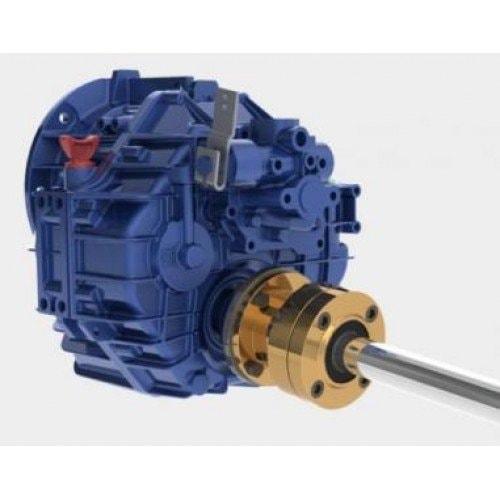
The coupling connects the transmission to the shaft. Damage here causes misalignment and grinding.
- Worn splines
- Loose coupling bolts
- Metal contact under load
👉 Related: Clunk When Shifting Guide
3. Shaft Misalignment
Misalignment creates uneven loading and friction.
- Coupling misalignment
- Engine movement
- Mount wear
👉 Related: Alignment Diagnostics
4. Cutlass Bearing Failure
A worn cutlass bearing allows the shaft to move excessively.
- Shaft wobble
- Grinding under load
- Noise at specific RPM
5. Propeller Contact or Damage
Propeller issues can create grinding sensations.
- Debris contact
- Bent blades
- Imbalance
6. Lack of Lubrication
Insufficient lubrication increases friction and wear.
- Low transmission fluid
- Contaminated fluid
7. Bearing Failure in Drivetrain
Bearings support rotating components. When worn, they create grinding noise.
- Transmission bearings
- Shaft bearings
8. Loose or Damaged Mounts
Engine movement can cause components to contact improperly.
- Mount collapse
- Loose hardware
👉 Related: Engine Noise Guide
9. Overloading the Drivetrain
Excess load increases stress and wear.
- Over-pitched propeller
- Heavy vessel load
👉 Related: Low RPM Guide
10. Drivetrain Wear Over Time
Older vessels develop wear across multiple components.
- Coupling wear
- Gear wear
- Bearing fatigue
Real-World Diagnosis (Oxnard Case)
We recently diagnosed a vessel in Oxnard producing a grinding noise under load.
The issue was a worn coupling combined with shaft misalignment.
After correction, the drivetrain operated smoothly with no noise.
Step-By-Step Professional Diagnosis
- Inspect transmission condition
- Check coupling alignment
- Inspect shaft and bearings
- Evaluate propeller condition
- Check mounts and alignment
- Test under load
👉 Related: Shutdown Guide
👉 Related: Overheating Guide
Why Grinding Noise Should Not Be Ignored
Grinding can quickly lead to:
- Transmission failure
- Shaft damage
- Complete drivetrain failure
- Loss of propulsion offshore
Professional Marine Drivetrain Diagnosis in Ventura
At 805 Marine Diesel Mechanic, we specialize in drivetrain diagnostics, alignment, and transmission repair with over 30 years of experience.
We provide mobile service throughout Ventura, Oxnard, Channel Islands Harbor, and Santa Barbara.
2 Responses