
Caterpillar C12 Marine Engine Survey | Pre-Purchase Inspection & Sea Trial Evaluation
Buying a Caterpillar C12-powered yacht is a serious investment. A focused Caterpillar C12 marine engine survey helps buyers, brokers, captains, and owners understand engine condition before purchase, especially during inspections and sea trials in Ventura Harbor, Channel Islands Harbor, Oxnard, Santa Barbara, and Marina del Rey.
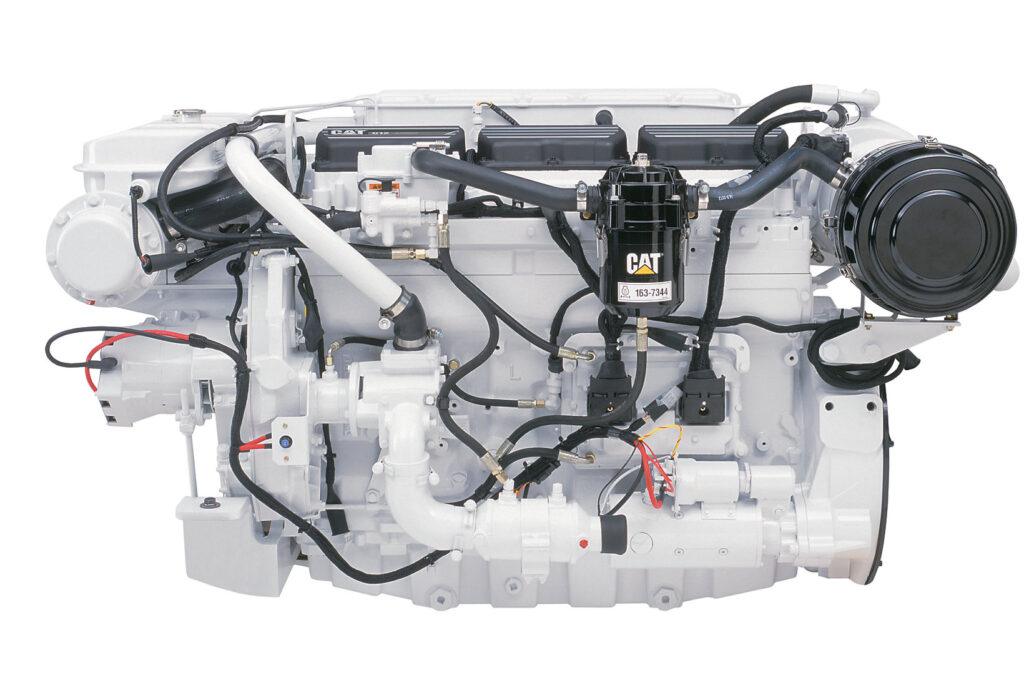
Schedule a Caterpillar C12 Engine Survey
Caterpillar C12 Marine Engine Survey for Yacht Buyers
The Caterpillar C12 is a popular marine diesel found in sportfishing boats, motor yachts, cruisers, and commercial vessels. When properly maintained, the C12 can be a strong and dependable engine, but deferred cooling-system service, aftercooler issues, injector problems, turbocharger wear, and overloaded sea-trial performance can create expensive surprises for a buyer.
A C12 survey should go beyond a quick dockside look. It should evaluate the engine room, cooling system, fuel system, turbocharger, exhaust, electronic data when available, maintenance history, and sea-trial behavior under real load. This page supports our larger Caterpillar Marine Engine Surveys hub and our main Marine Engine Survey service page.
Why Buyers Request a Caterpillar C12 Marine Engine Survey
A Caterpillar C12 may start quickly, idle smoothly, and still have hidden problems that only show up under load. Buyers often request a C12 survey because repair costs can be significant, parts and labor can add up quickly, and sea-trial problems may affect the final purchase decision.
During a pre-purchase inspection, the goal is to identify risk before closing. A survey can help document whether the engine reaches proper RPM, holds temperature, produces abnormal smoke, shows signs of cooling restriction, has electronic fault history, or displays symptoms of poor maintenance.
Common Caterpillar C12 Survey Findings
Aftercooler Condition
Aftercooler condition is one of the most important inspection areas on a Caterpillar C12. Saltwater exposure, corrosion, restricted airflow, internal leakage, and poor service history can affect performance and engine life. Buyers should ask when the aftercooler was last removed, cleaned, pressure tested, inspected, and reinstalled correctly.
Heat Exchanger Fouling
Heat exchangers can become restricted by marine growth, scale, debris, and age-related buildup. A C12 that runs warm at cruise or high RPM may have raw-water flow problems, heat-transfer issues, thermostat concerns, or a combination of cooling-system faults.
Fuel System and Injector Concerns
Fuel quality, injector condition, filtration, fuel restriction, and air intrusion can all affect C12 performance. Poor fuel delivery may appear as rough running, hard starting, black smoke, low power, surging, or uneven performance between twin engines.
Turbocharger Wear and Boost Response
The turbocharger should be evaluated for visible leakage, abnormal sound, shaft concerns, boost response, and smoke-related symptoms. Low boost can make a C12 feel sluggish, reduce rated RPM, increase exhaust temperature, and create black smoke under load.
Cooling System Neglect
Cooling-system neglect is one of the most common sources of marine diesel trouble. Raw-water pumps, impellers, hoses, strainers, coolant condition, thermostats, aftercoolers, and heat exchangers all need attention because one weak component can affect the entire system.
Exhaust System Corrosion
Marine exhaust components operate in a harsh saltwater environment. Risers, elbows, clamps, lagging, mixing sections, leaks, and backpressure concerns should be reviewed carefully because exhaust failures can become serious engine problems.
ECM Event History
On supported electronic engines, ECM data can help identify stored faults, sensor concerns, over-temperature events, operating history, and clues that may not be visible during a visual inspection. Learn more through our Computerized Marine Engine Survey Diagnostics Center.
What Is Evaluated During a Caterpillar C12 Survey?
A C12 survey may include engine-room inspection, fluid-leak review, hose and belt condition, cooling-system checks, fuel-system observations, turbocharger review, exhaust evaluation, mount inspection, driveline observation, diagnostic data review when supported, and sea-trial testing when available.
The inspection should connect symptoms to systems. For example, a C12 that will not reach rated RPM may have fuel restriction, air restriction, turbocharger issues, cooling limitation, excessive vessel load, bottom condition problems, or propeller overload. For deeper symptom diagnosis, see our Caterpillar Marine Diesel Low Power & RPM Loss guide.
Caterpillar C12 Sea Trial Evaluation
The sea trial is where many hidden issues appear. During sea-trial evaluation, the Caterpillar C12 should be observed for acceleration, cruise behavior, wide-open-throttle RPM, temperature stability, smoke, oil pressure, boost response, vibration, and load-carrying ability.
Black smoke under load may point toward airflow, boost, fuel, combustion, or overload issues. High temperature at cruise or wide-open throttle may point toward cooling restriction, seawater flow limitation, aftercooler contamination, heat-exchanger fouling, or excessive engine load. These symptoms should be evaluated with system-based logic, not guesswork.
Common C12 Purchase Risks
Deferred Cooling System Service
A buyer should be cautious when there are no records for aftercooler, heat exchanger, raw-water pump, coolant, or thermostat service. Missing service history increases uncertainty and may affect purchase negotiations.
Unknown Aftercooler History
The aftercooler is too important to ignore. If it has not been serviced correctly, it may affect engine efficiency, boost-air cooling, corrosion risk, and long-term reliability.
Fuel Contamination or Injector Problems
Fuel-system issues can create smoke, uneven operation, hard starting, and poor load response. C12 fuel-system symptoms should be reviewed alongside service records, filter condition, and sea-trial behavior.
Turbocharger and Airflow Problems
Restricted air, weak boost, leaking charge-air plumbing, or turbocharger wear can reduce performance. A vessel that feels slow, smokes heavily, or cannot reach RPM should be inspected carefully before purchase.
Engine Overloading
Overloading may come from propeller pitch, hull growth, added vessel weight, running-gear issues, or engine performance problems. If the C12 cannot achieve proper RPM, the cause should be identified before closing.
Caterpillar C12 Surveys in Ventura, Channel Islands, Santa Barbara & Marina del Rey
805 Marine Diesel Mechanic provides Caterpillar C12 marine engine surveys and pre-purchase diesel inspections throughout Ventura Harbor, Channel Islands Harbor, Oxnard, Santa Barbara Harbor, Marina del Rey, Malibu, and Port Hueneme when scheduling allows.
Marina del Rey is an especially important yacht market for Caterpillar-powered vessels. Buyers there often need a diesel-focused inspection before accepting a vessel, coordinating with a hull surveyor, or completing a purchase.
Related Caterpillar Survey Resources
- Caterpillar Marine Engine Surveys Hub
- Marine Engine Survey
- Computerized Marine Engine Survey Diagnostics Center
- Master Marine Diesel Troubleshooting Guide
- Caterpillar C7 Marine Engine Survey
- Caterpillar 3116 Marine Engine Survey
- Caterpillar Marine Diesel Low Power & RPM Loss
- Yacht Engine Black Smoke Under Load
- Contact 805 Marine Diesel Mechanic
External Caterpillar C12 Resources
For manufacturer information, visit Caterpillar Marine. For vessel safety and marine system standards, visit the American Boat & Yacht Council standards.
Caterpillar C12 Marine Engine Survey FAQ
What is a Caterpillar C12 marine engine survey?
It is a focused inspection of the Caterpillar C12 engine, cooling system, fuel system, turbocharger, exhaust, electronics, and sea-trial performance. The goal is to help buyers understand mechanical risk before purchase.
Is the Caterpillar C12 a good yacht engine?
The Caterpillar C12 can be a strong yacht engine when maintained correctly. A survey helps determine whether the specific engine has been cared for properly.
What are common Caterpillar C12 survey findings?
Common findings include aftercooler neglect, heat-exchanger restriction, turbocharger wear, fuel-system issues, black smoke, overheating, and inability to reach rated RPM.
How often should a C12 aftercooler be serviced?
Service intervals depend on use, environment, and manufacturer guidance. During a survey, buyers should request records showing when the aftercooler was last removed, cleaned, inspected, and pressure tested.
Can a survey identify injector issues?
A survey may identify symptoms that point toward injector problems, such as smoke, rough running, fuel imbalance, or poor performance. Further diagnostic testing may be recommended depending on findings.
What RPM should a Caterpillar C12 reach?
The correct rated RPM depends on the exact C12 rating and installation. During sea trial, the engine should be compared against the correct specification for that engine and vessel.
Why does a Caterpillar C12 smoke black under load?
Black smoke may come from low boost, air restriction, fuel problems, overloaded running gear, dirty bottom condition, or combustion imbalance. The cause should be diagnosed by system, not guessed.
What causes overheating in a C12?
Overheating may come from restricted seawater flow, fouled heat exchangers, aftercooler restriction, thermostat issues, raw-water pump wear, coolant problems, or engine overload.
Should I get oil analysis before purchase?
Oil analysis can provide useful internal wear and contamination clues. It is especially helpful when combined with inspection findings, maintenance records, and sea-trial data.
Can ECM data reveal engine history?
On supported electronic engines, ECM data may show fault history, sensor events, operating clues, and over-temperature information. It should be reviewed alongside mechanical inspection results.
Are Caterpillar C12 engines electronic?
Many marine C12 engines use electronic control systems. This makes diagnostic review an important part of the survey when compatible access is available.
What is checked during sea trial?
Sea trial checks include RPM, temperature, oil pressure, smoke, vibration, acceleration, boost response, and overall performance under load. This is where many hidden issues become visible.
Can a survey reduce purchase risk?
Yes, a survey can help identify expensive mechanical concerns before closing. It also gives the buyer documentation that may support repair planning or negotiation.
Do you survey C12 engines in Marina del Rey?
Yes, Marina del Rey is included in the target service area for Caterpillar C12 pre-purchase engine surveys. Scheduling depends on vessel access and survey scope.
Do you survey C12 engines in Ventura Harbor?
Yes, Ventura Harbor is a core service area for marine diesel surveys. Channel Islands Harbor, Oxnard, Santa Barbara, and nearby coastal areas are also included.
What maintenance records should buyers request?
Buyers should request aftercooler service records, heat-exchanger service, oil analysis history, injector work, turbocharger work, coolant service, raw-water pump service, and ECM-related repairs.
How long does a C12 survey take?
The time required depends on access, twin or single engines, diagnostics, oil sampling, and whether a sea trial is included. A more complete survey takes longer than a simple dockside inspection.
Can twin C12 engines be compared?
Yes, twin engines should be compared for temperature, RPM, smoke, vibration, boost behavior, oil pressure, and overall load response. Differences between port and starboard engines are often important.
What are warning signs of deferred maintenance?
Warning signs include missing records, corrosion, coolant leaks, old hoses, dirty aftercoolers, restricted heat exchangers, fuel leaks, smoke, overheating, and poor sea-trial performance.
How do I schedule a Caterpillar C12 survey?
Call 805-774-0637 or use the contact page with the vessel location, engine model, survey date, and whether sea-trial access is available.