
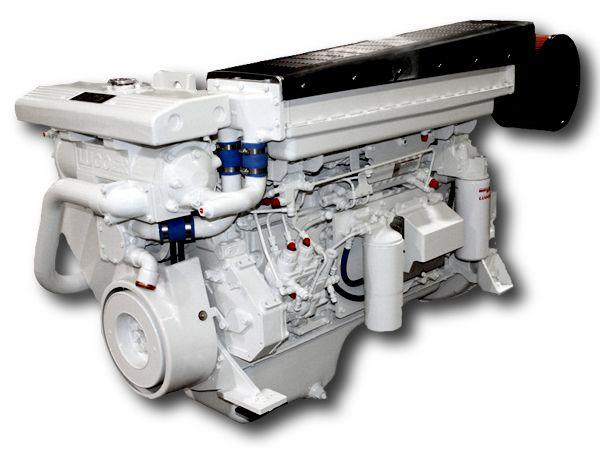
Lugger Marine Fuel Contamination & Filtration Issues: Long-Range Reliability & Injector Protection Guide
Lugger marine diesel engines are known for durability and long-range reliability. However, modern Lugger platforms — particularly electronically controlled and high-pressure fuel systems — remain vulnerable to contamination, water intrusion, and improper filtration.
With over 30 years of hands-on marine diesel diagnostic experience throughout Ventura, Channel Islands Harbor, Oxnard, and Santa Barbara, 805 Marine Diesel Mechanic specializes in identifying fuel contamination issues in Lugger engines before they result in injector damage, high-pressure pump wear, or unexpected shutdown.
Begin structured troubleshooting using our Master Marine Diesel Troubleshooting Guide.
Schedule Lugger Fuel System Inspection
Understanding Lugger Fuel System Design
Lugger engines often utilize robust mechanical or electronically controlled fuel injection systems depending on model year and platform.
- Lift pump / supply circuit
- Primary filtration (Racor-style)
- Secondary engine-mounted filtration
- High-pressure injection pump
- Mechanical or electronic injectors
Technical references are available through Lugger Marine Engines and related fuel system technology from Bosch Common Rail Systems.
Common Fuel Contamination Sources on Lugger Platforms
Water Intrusion
- Condensation in long-range tanks
- Improperly sealed deck fills
- Fuel dock contamination
Microbial Growth
Sludge buildup restricts flow and creates corrosive byproducts.
Tank Sediment
- Rust flakes
- Fuel oxidation deposits
- Debris loosened during heavy seas
Incorrect Micron Filtration
Improper filter ratings allow fine abrasive particles into injection components.
See our Fuel System Diagnosis Center for contamination testing and restriction diagnostics.
Symptoms of Lugger Fuel Contamination
- Hard starting
- Rough idle
- Loss of power under load
- Engine hesitation at cruise
- Excessive smoke
- Unexpected engine shutdown
Related shutdown causes are explained in our Marine Diesel Engine Shutdown Causes Guide.
Why Filtration Matters on Long-Range Vessels
Lugger engines are commonly installed in trawlers, commercial vessels, and long-range cruisers. Extended voyages increase exposure to:
- Variable dock fuel quality
- Tank condensation cycles
- Fuel storage degradation
Without proper filtration management, contamination may circulate repeatedly through the system.
Professional Lugger Fuel Diagnostic Process
- Fuel vacuum testing under load
- Supply-side pressure verification
- Fuel sampling and contamination analysis
- Injector spray pattern evaluation
- High-pressure pump inspection
- ECM fault code review (electronic models)
Advanced testing is available through our Computerized Marine Engine Survey Diagnostics Center.
Newest Lugger Fuel Protection Upgrades
- Dual Racor manifold filtration systems
- Fleetguard 7-micron secondary filtration upgrades
- Fuel vacuum monitoring gauges
- Water detection sensors
- Magnetic contamination traps
- Fuel polishing systems for long-term storage
- Upgraded marine-grade fuel hoses
With over 30 years of marine diesel troubleshooting experience, we prioritize prevention — especially for long-range vessels operating offshore.
Request Lugger Fuel System Upgrade Consultation
Ventura & Channel Islands Harbor Lugger Fuel Specialist
805 Marine Diesel Mechanic provides mobile Lugger fuel system diagnostics throughout:
- Ventura Harbor
- Channel Islands Harbor
- Oxnard
- Santa Barbara
We specialize exclusively in marine diesel engines and bring decades of real-world diagnostic expertise to every vessel.
Lugger Fuel Contamination FAQ
Can contaminated fuel damage Lugger injectors?
Yes. Even mechanically injected systems are vulnerable to abrasive particles and water intrusion.
Is dual filtration recommended for Lugger engines?
Yes. Dual Racor systems allow filter changeover without engine shutdown and improve protection.
How often should tanks be inspected?
Regular inspection and periodic fuel polishing are recommended for long-range vessels.
Can contamination cause unexpected shutdown?
Yes. Severe restriction or injection imbalance can lead to stall or protective shutdown.