
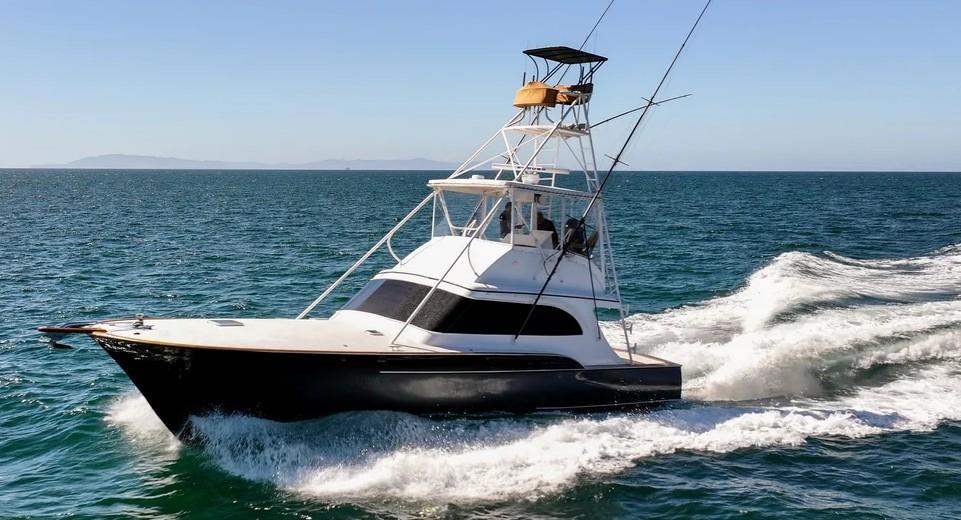
47ft Buddy Davis Marine Engine Survey
Conducted by : Jeff Lendall & Sons. 805 Marine Diesel Mechanic
F/V Three Dons:
HIN/IMO: DYW47179F091 OFFICIAL#:949819 LOA:47FT YEAR: 1991
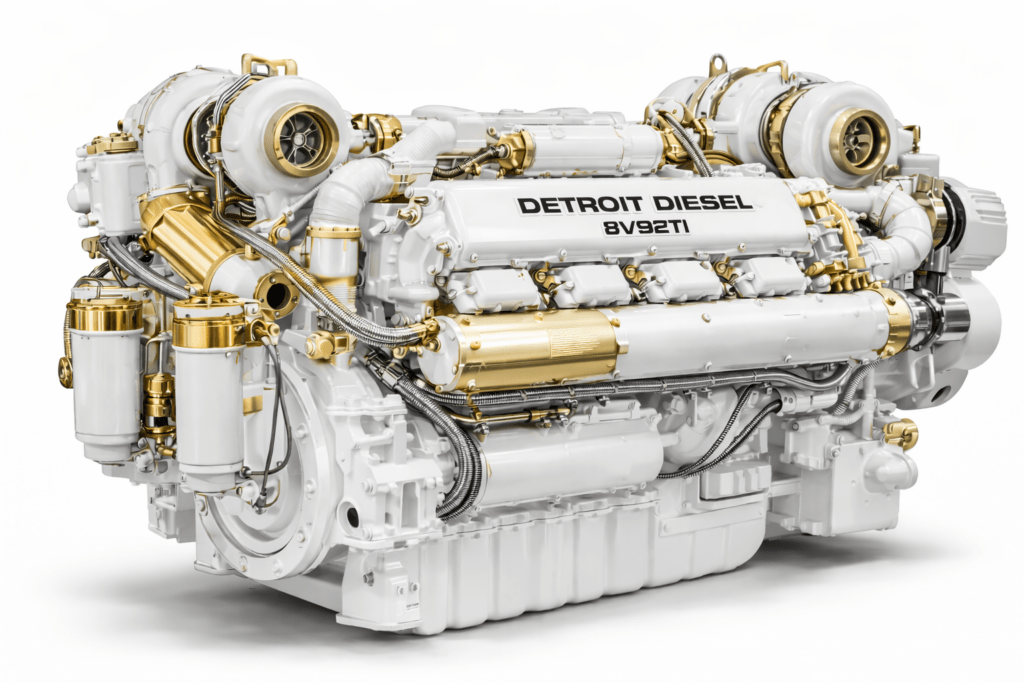
ENGINE 1 Port:
-
Engine Make: Detroit Diesel Engine Model: 8V92TI Engine Type: Inboard Power HP: 735 Fuel Type: Diesel Hours: Rebuilt at 1399-4668= actual 3269 Serial Number: 8VA365969 Engine Location: Port -
TRANSMISSION PORT: TWIN DISC MG5114SC MARINE TRANSMISSION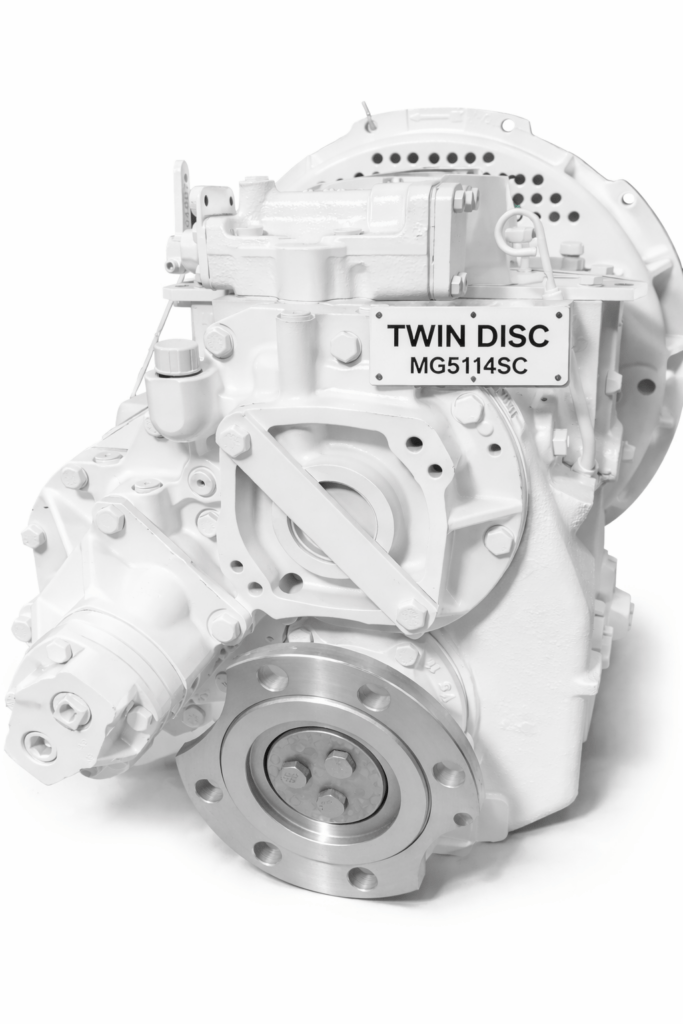
ENGINE 2 Starboard:
- Engine Make: Detroit Diesel
-
Engine Model: 8V92TI
- Engine Type: Inboard
-
Power HP: 735
- Fuel Type: Diesel
-
Hours: Rebuilt at 1413-4669 Actual=3256 -
Serial Number: 8VA370182
- Engine Location: Starboard
- TRANSMISSION STRB: TWINDISC MG5114SC MARINE TRANSMISSION
FUEL FILTRATION SYSTEM: Racor Twin Turbine Series Fuel Filter/Water Seperator 10 Micron Port & Starboard side filter assembly: Appeared serviceable, No water present. Electric priming pump & vacuum gauges installed
THROTTLE & SHIFTER CONTROLS: Panish Morse cable shifters worked properly at flybridge.
SEAWATER PUMP: Seals not leaking/no water present. adequate pressure.
TUBE-TYPE HEAT EXCHANGER: checked inlet and outlet flow temperature, within parameters
ENGINE OIL COOLER: checked inlet and outlet temperatures, all within parameters
ENGINE MOUNTED FUEL COOLER: checked inlet and outlet temperatures, all within parameters
SEAWATER PUMP OUTLET PRESSURE: adequate pressure
COOLANT LEVEL SENSOR: working properly no leaks observed.
ENGINE MOUNTS AND BED: Main engine beds are heavy longitudinal stringers inboard and outboard. Engine Mounts Satisfactory
LUBRICATION: Oil Level indication is normal both port and starboard.
LUBE OIL PRESSURE: (WOT) engine 100% load 75 psi. Starboard engine. Port Pressure Guage inoperable at flybridge.
COOLING SYSTEM TYPE: Freshwater reservoir type cooling with Seawater cooled wet exhaust, Operated satisfactory.
COOLANT LEVEL: Normal levels observed. Pressurized expansion tanks on both engines to 25psi no noticeable drop in pressure. used heat sensing gun on all cooling system surfaces. operated normal.
HOSES AND CLAMPS: Double clamped where sighted. All quality 304 SS style hose clamps.
BELTS AND PULLEYS: Belts & Pulleys condition appeared serviceable
SEACOCKS AND STRAINERS: Seawater seacocks were ball valve type. Operated smooth & satisfactory.
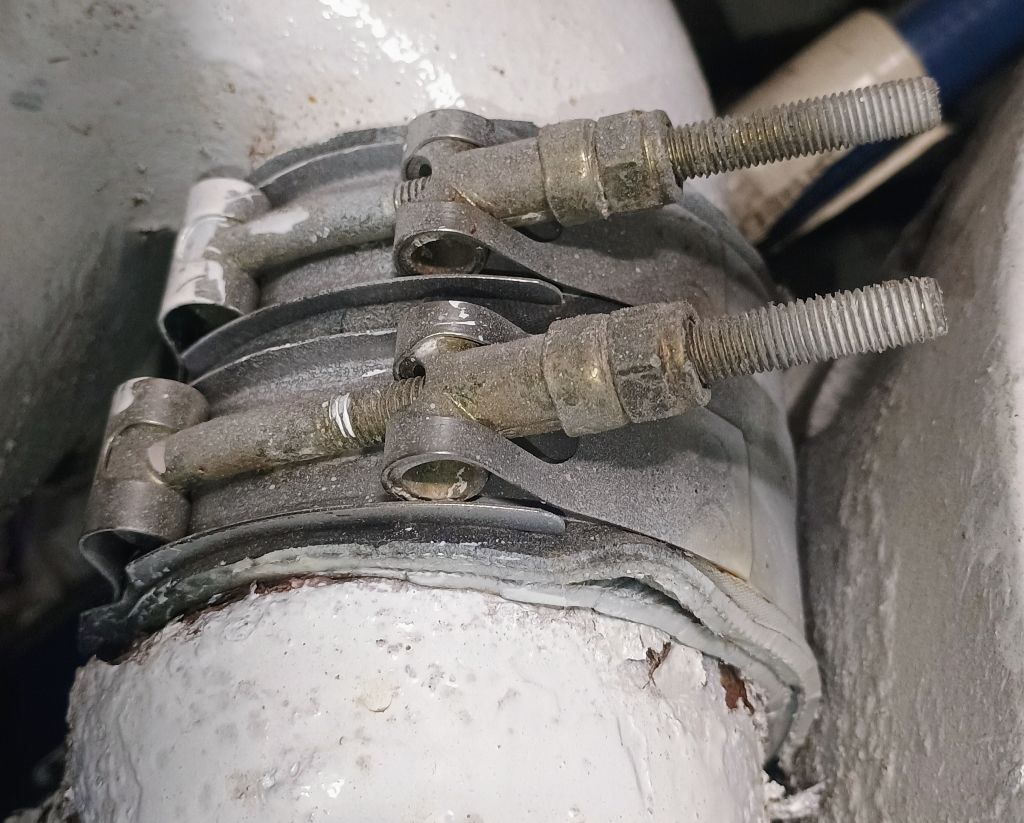
EXHAUST SYSTEM: Seawater cooled with risers and flexible coupling sections new hoses & double clamped where sighted.
ENGINE ALARMS: Test of port and starboard low oil pressure alarm, and coolant overheat warning audible at helm station. Operated satisfactory.
ENGINE SHUT DOWN: electronic style shut off solenoid switches operated satisfactory
DRIPLESS SHAFT SEALS: Working properly no leaks detected.
ENGINE ALIGNMENT: Appeared Smooth & without vibration.
RUDDERS: Packing gland style, not leaking excessively appeared serviceable. no vibration.
TURBOCHARGERS: look to be new/rebuilt, sounded like they spooled up around 1200 RPM and operated satisfactory
TWINDISC TRANSMISSIONS: Both performed adequately while shifting no excessive noise or vibration while under way. port side leaking a small amount at engine pump.
——————————————————————————————-
SEATRIAL REPORT:
1. The engines started without excessive cranking.
2. The engine exhaust appeared normal. very minimal smoke for engines of this age.
3. The cooling water exhaust appeared adequate and normal.
4. The engine instruments operate within normal operating limits at idle, cruising speed and at wide open throttle. except engine oil port side inoperable
5. The steering system operated normally. very responsive.
6. The throttles operated normally.
7. The transmissions, both went in & out of gear smooth with no excessive noise
8. The backdown test was satisfactory.
9. both rudder linkage operated smooth while underway, no leaks detected
10. OIL LEAKS detected at port transmission, starboard governor, port and starboard valve covers.
WOT TEST: IN 1982 The US Navy sent me to Diesel Mechanic School, and it was all on different models Detroit Diesel. in my 40 years i have never seen a pair smoke as little as this set of 8V92TI they accelerated quickly up to 2150 (a little less than the 2400 rated) and the boat was running smooth as silk at 25 knots

OIL ANALYSIS PORT ENGINE:
Detroit Diesel 8V92TI Port Engine

OIL ANALYSIS STARBOARD ENGINE:
Detroit Diesel 8V92TI Starboard Engine

OIL ANALYSIS PORT TRANSMISSION:
Marine Gear port

OIL ANALYSIS STARBOARD TRANSMISSION:
Marine Gear Starboard
MARINE ENGINE SURVEY SUMMARY:
As a result of my investigation, MARINE ENGINE SURVEY, and by virtue of my experience, my opinion is OVERALL ENGINE RATING: GOOD: the engine room and engines appear to be well maintained.
Master Marine Diesel Troubleshooting Guide – 805 Marine Diesel Mechanic

RESULTS & RECOMENDATIONS:
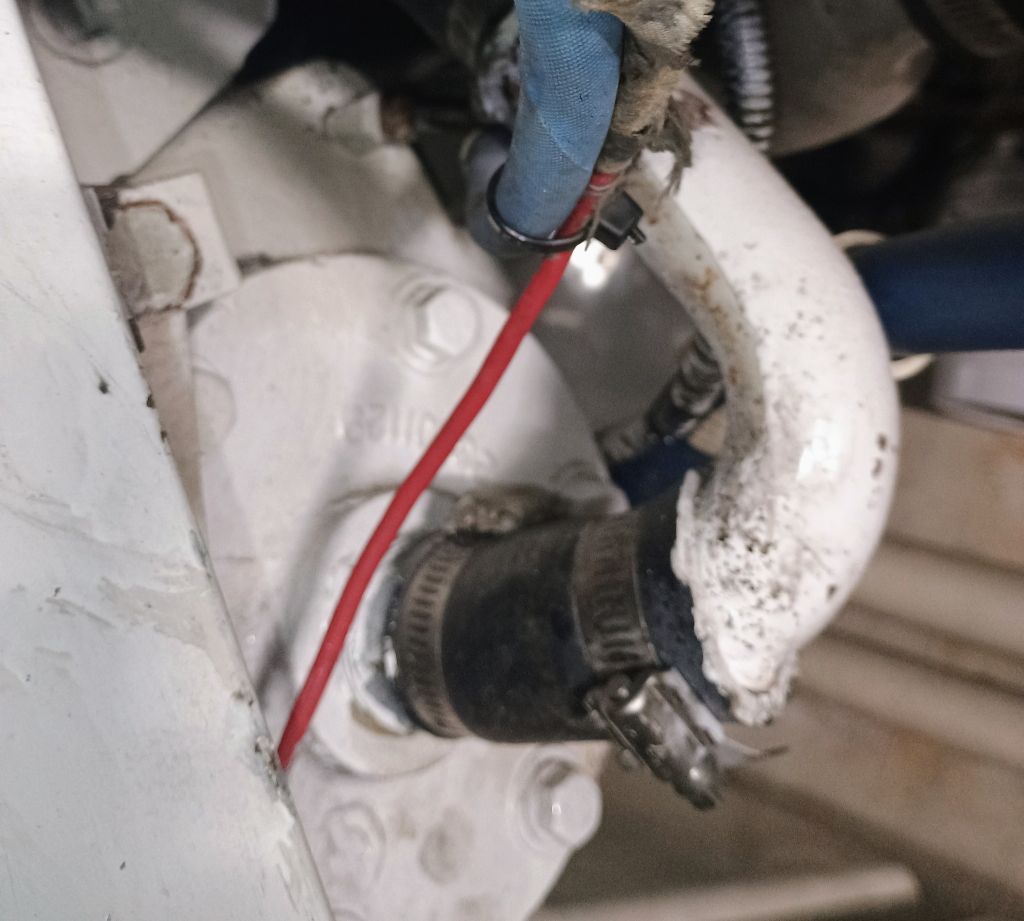
- Some of the cooling system hoses, air breather hoses, and oil hoses need to be replaced.
- There are a number of oil leaks, port transmission pump, valve covers, oil pan,
- AIR-SEP air filters & oil breathers need to be replaced.
- Port side oil gauge at flybridge needs to be replaced
- Due for an oil change and filters both engines and transmissions
- Master Marine Diesel Troubleshooting Guide – 805 Marine Diesel Mechanic
Detroit Diesel 8V92TI – High Speed / Heavy Load Fuel Consumption (200 Miles)
Assumptions: Twin engines, heavy load, offshore conditions
Typical burn rate: 25–30 GPH per engine (50–60 GPH total)
Speed (knots) | Run Time (hrs) | Total Fuel Burn (gal) | +20% Reserve | +30% Reserve
———————————————————————————-
18 knots | 11.1 hrs | 555 – 665 gal | 665 – 800 | 720 – 865
20 knots | 10.0 hrs | 500 – 600 gal | 600 – 720 | 650 – 780
22 knots | 9.1 hrs | 455 – 545 gal | 545 – 655 | 590 – 710
How to Read This Graph
-
Total Fuel Burn = both engines combined
-
Reserve fuel accounts for weather, current, fouled bottom, and safety margin
-
Best real-world planning number for most boats: 20 knots / ~700 gallons onboard
Estimated fuel consumption for twin Detroit Diesel 8V92TI marine engines over a 200-mile offshore run at high speed under heavy load. Actual fuel burn varies by vessel weight, sea state, and propeller setup.
✅ Total Diesel Burn (Both Engines Combined)
Expected burn (no reserve):
-
≈ 1,300 – 1,600 gallons
Recommended real-world planning number (with reserve):
-
≈ 1,700 – 1,900 gallons onboard