
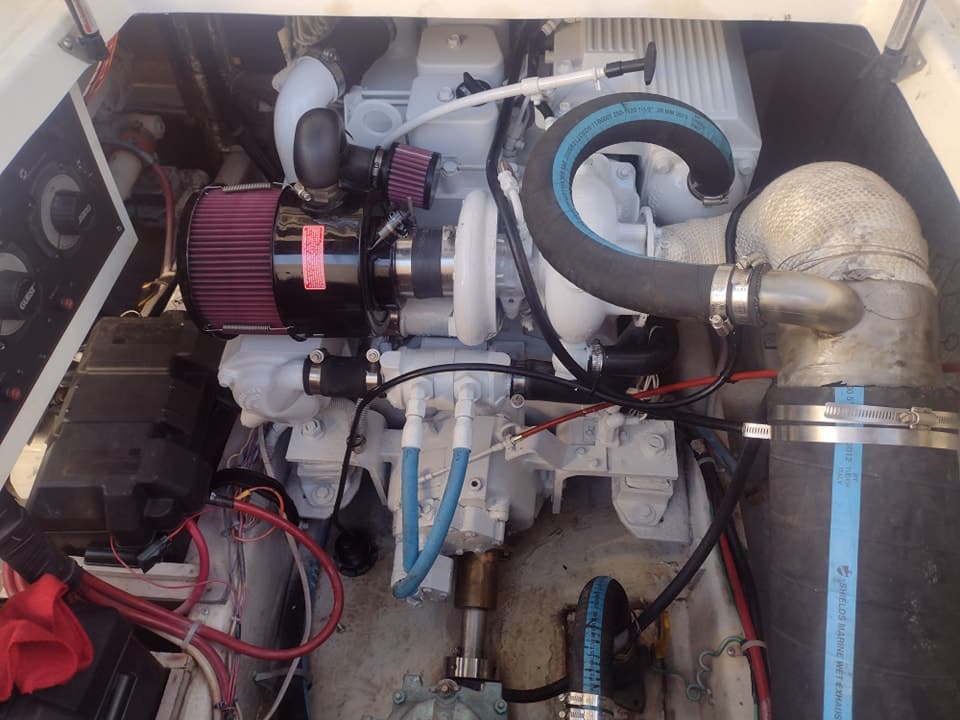
Cummins Marine Diesel Engine Maintenance & Repair: The Ultimate Guide
Professional Cummins marine diesel maintenance, diagnostics, and offshore repair support throughout Ventura Harbor, Channel Islands Harbor, Oxnard, and Santa Barbara.
Cummins marine diesel engines are trusted worldwide for offshore reliability, fuel efficiency, durability, and strong torque delivery. However, long-term engine reliability depends heavily on structured preventative maintenance, proper diagnostics, cooling-system care, and fuel-system management.
805 Marine Diesel Mechanic specializes exclusively in inboard marine diesel systems and provides mobile dockside diagnostics, preventative maintenance, cooling-system service, generator diagnostics, repower consulting, and offshore repair support throughout California’s Central Coast.
Marine diesel engines operate under heavy load conditions while exposed to saltwater, moisture intrusion, vibration, corrosion, silt, kelp, and thermal cycling that gradually stress fuel systems, cooling systems, electrical systems, exhaust systems, and drivetrains.
Routine maintenance dramatically reduces expensive offshore breakdowns while extending engine life and improving offshore safety. If your Cummins marine diesel is already showing overheating, hard starting, smoke, vibration, shutdowns, or loss of RPM under load, begin with the Master Marine Diesel Troubleshooting Guide before larger failures develop.
Book Cummins Service at Your Slip
Why Preventative Maintenance Matters
Preventative maintenance remains one of the most important investments boat owners can make. Marine diesel systems operate in harsh offshore environments where cooling restrictions, fuel contamination, corrosion, and vibration gradually damage expensive engine components.
Proper maintenance helps prevent:
- Overheating failures
- Injector damage
- Turbocharger failures
- Cooling-system corrosion
- Fuel-system shutdowns
- Electrical problems
- Transmission failures
- Unexpected offshore breakdowns
Routine inspections and fluid analysis help identify small developing issues before they become catastrophic engine failures offshore.
Helpful maintenance references include Marine Diesel Maintenance Schedule.
Routine Cummins Maintenance Schedule
Routine maintenance schedules vary based on engine model, operating hours, offshore load conditions, and vessel usage patterns. However, several core maintenance procedures remain critical across most Cummins marine diesel platforms.
Routine owner inspections commonly include:
- Fluid-level verification
- Visual leak inspections
- Belt and hose inspections
- Raw-water strainer cleaning
- Battery-terminal inspections
- Charging-system verification
- Vibration monitoring
Regular engine-room inspections help identify corrosion, leaks, worn clamps, and developing cooling-system problems early.
Oil and Filter Service
Engine oil lubricates and cools internal engine components while helping suspend contaminants generated during combustion.
Routine oil service commonly includes:
- Engine oil replacement
- Oil-filter replacement
- Fluid contamination inspection
- Leak inspections
- Oil-pressure verification
- Oil analysis when needed
Most Cummins marine diesel engines require oil and filter service approximately every 100–250 operating hours depending on model and operating conditions.
Maintaining clean oil helps protect bearings, camshafts, turbochargers, and rotating assemblies from premature wear.
Fuel-System Care and Fuel Filtration
Clean fuel remains essential for modern Cummins marine diesel engines. Water contamination, algae growth, dirty fuel, and restricted filters commonly cause injector failures, smoke, hard starting, and offshore shutdowns.
Fuel-system maintenance commonly includes:
- Primary filter replacement
- Secondary filter replacement
- Water separator service
- Fuel polishing
- Vacuum testing
- Fuel-line inspections
- Tank inspections
Modern common-rail injection systems require exceptionally clean diesel fuel to maintain proper combustion efficiency and injector longevity.
Helpful fuel-system references include Marine Fuel Filtration System Upgrade.
Cooling-System Maintenance and Corrosion Prevention
Marine cooling systems constantly battle salt buildup, corrosion, marine growth, and thermal stress. Cooling-system failures remain one of the leading causes of offshore engine damage.
Cooling-system maintenance commonly includes:
- Impeller inspections
- Heat exchanger cleaning
- Coolant testing
- Sea strainer cleaning
- Raw-water flow verification
- Aftercooler inspections
- Zinc replacement
Restricted cooling flow often develops gradually before eventually causing catastrophic overheating under offshore load conditions.
Helpful cooling references include Cooling-System Maintenance, Fresh-Water Flushing Systems, and Marine Overheating Diagnosis.
Raw-Water System Inspections
Raw-water systems remain especially vulnerable to clogging from kelp, eelgrass, marine growth, sand, and mineral scale buildup.
Routine raw-water inspections commonly include:
- Sea strainer inspections
- Raw-water pump inspections
- Impeller replacement
- Hose inspections
- Raw-water discharge verification
- Flow testing
Reduced raw-water flow often creates rising operating temperatures under sustained offshore load conditions.
Air Intake and Turbocharger Maintenance
Turbochargers and intake systems dramatically affect combustion efficiency, fuel economy, and engine performance.
Routine intake-system inspections commonly include:
- Air-filter inspections
- Turbocharger shaft-play inspections
- Charge-air cooler inspections
- Boost-pressure verification
- Exhaust-system inspections
Restricted airflow or turbocharger wear can rapidly reduce engine performance while increasing exhaust temperatures.
Advanced Maintenance and Professional Repairs
Some Cummins maintenance procedures require advanced diagnostics, specialty tooling, and professional marine diesel experience.
Advanced maintenance commonly includes:
- Valve adjustments
- Injector diagnostics
- ECM diagnostics
- Turbocharger replacement
- Transmission diagnostics
- Compression testing
- Cooling-system pressure testing
- Engine repower planning
Professional diagnostics help identify root causes instead of simply treating symptoms.
Helpful repower references include Marine Diesel Engine Repower.
Early Warning Signs of Cummins Problems
Marine diesel engines often provide early warning signs before catastrophic failures occur.
Important symptoms to watch include:
- Excessive smoke
- Overheating under load
- Loss of RPM
- Low oil pressure
- Hard starting
- Increased fuel consumption
- Coolant loss
- Unusual vibration
Early diagnostics dramatically reduce repair costs and improve offshore reliability.
Helpful support references include Marine Diesel Diagnostics.
Transmission and Drivetrain Inspections
Marine transmissions and drivetrains operate continuously under heavy load while exposed to vibration and saltwater environments.
Routine drivetrain service commonly includes:
- Transmission-fluid inspections
- Shaft alignment checks
- Coupling inspections
- Engine-mount evaluations
- Cutlass-bearing inspections
- Propeller inspections
Proper alignment helps reduce vibration, drivetrain wear, and fuel consumption.
Local Offshore Conditions Along California’s Central Coast
Boats operating throughout Ventura Harbor, Channel Islands Harbor, and Santa Barbara face unique maintenance challenges involving silt, kelp, eelgrass, salt accumulation, and fluctuating seawater temperatures.
Regional maintenance recommendations include:
- Frequent strainer inspections
- Routine freshwater flushing
- Annual cooler inspections
- Seasonal descaling service
- Regular fuel-system inspections
Detailed maintenance logs help identify developing issues before offshore failures occur.
Mobile Cummins Marine Diesel Service Throughout Ventura and Santa Barbara
805 Marine Diesel Mechanic provides mobile dockside diagnostics, preventative maintenance, cooling-system service, fuel-system troubleshooting, generator diagnostics, and Cummins marine diesel repair throughout Ventura Harbor, Channel Islands Harbor, Oxnard, and Santa Barbara.
Mobile dockside service allows engines to be inspected and serviced directly at the vessel while minimizing downtime and unnecessary transport.
For additional Cummins marine information, review Cummins Marine and ABYC Standards.
Final Thoughts
Routine Cummins marine diesel maintenance remains essential for protecting engine reliability, fuel efficiency, cooling performance, and offshore safety.
By maintaining cooling systems, fuel systems, turbochargers, transmissions, and electrical systems proactively, boat owners can dramatically reduce expensive offshore failures while extending engine life and improving long-term reliability.
Cummins Marine Maintenance FAQ
How often should I change oil on a Cummins marine diesel?
Most Cummins marine diesel engines require oil and filter changes approximately every 100–250 hours depending on operating conditions.
How often should fuel filters be replaced?
Primary and secondary fuel filters are commonly replaced every 200–300 hours or sooner if contamination is present.
Why is cooling-system maintenance important?
Cooling-system maintenance helps prevent overheating, corrosion, and catastrophic offshore engine damage.
What causes marine diesel overheating?
Common causes include restricted raw-water flow, clogged heat exchangers, damaged impellers, and coolant leaks.
Can dirty fuel damage Cummins injectors?
Yes, contaminated fuel can damage injectors, fuel pumps, and combustion systems.
Do you provide mobile dockside Cummins service?
Yes, 805 Marine Diesel Mechanic provides mobile dockside diagnostics and repair throughout the Central Coast.
Do you service marine generators?
Yes, generator diagnostics and auxiliary diesel support are available.
What areas do you service?
Service areas include Ventura Harbor, Channel Islands Harbor, Oxnard, and Santa Barbara.
Does 805 Marine Diesel Mechanic service outboards?
No, 805 Marine Diesel Mechanic specializes exclusively in inboard marine diesel systems.
Why are preventative maintenance logs important?
Maintenance logs help identify developing issues early while improving long-term engine reliability and service planning.