
Trusted BETA 43 marine diesel diagnostics, preventative maintenance, and offshore repower support by 805 Marine Diesel Mechanic.
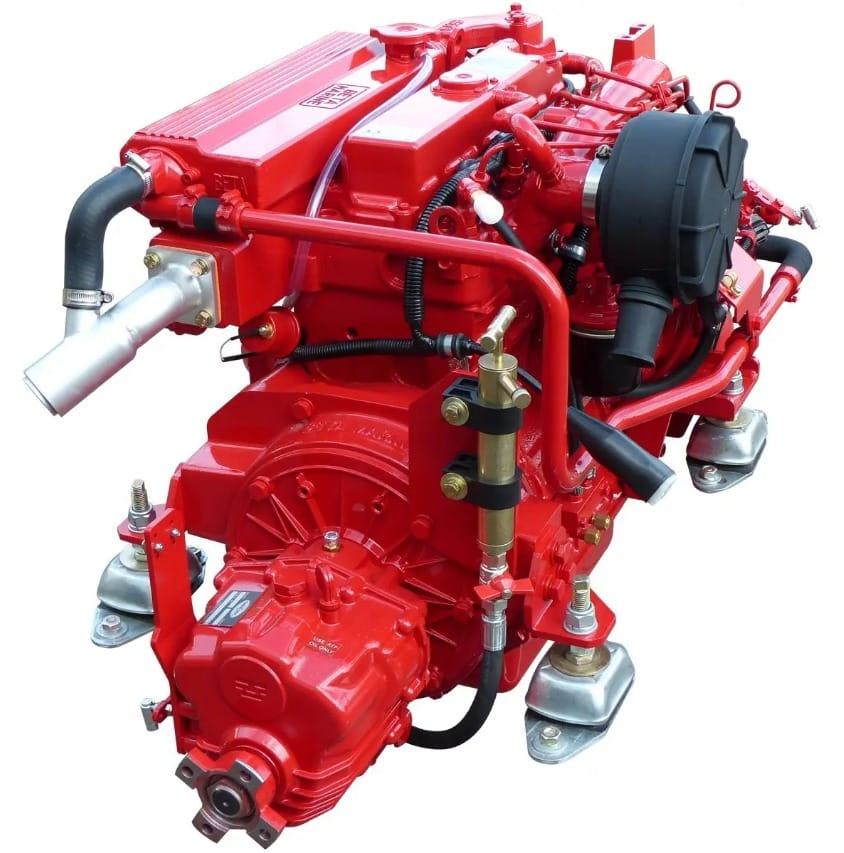
BETA 43 Marine Diesel Service, Repower & Offshore Reliability
The BETA 43 marine diesel engine remains one of the most dependable compact propulsion systems available for offshore sailboats, trawlers, and coastal cruising vessels because of its smooth low-RPM operation, naturally aspirated reliability, efficient fuel economy, and compact installation footprint.
805 Marine Diesel Mechanic specializes exclusively in inboard marine diesel systems and provides mobile dockside diagnostics, preventative maintenance, repower support, cooling-system service, drivetrain diagnostics, and offshore diesel support throughout Ventura, Oxnard, Channel Islands Harbor, and Santa Barbara.
Marine propulsion systems operating offshore continuously battle vibration stress, cooling-system wear, fuel contamination, thermal cycling, and saltwater corrosion that gradually affect injectors, driveline geometry, charging systems, and long-term engine reliability.
If your BETA 43 is already showing overheating, vibration, unstable RPM, smoke, charging problems, or hard-starting symptoms, begin with the Master Marine Diesel Troubleshooting Guide before larger offshore failures develop.
BETA 43 Marine Diesel Specifications
- Power: 43 hp @ 2,800 RPM
- Aspiration: Naturally aspirated
- Cylinders: 4-cylinder configuration
- Displacement: 1,999 cc
- Weight: Approximately 525 lbs
- Transmission: TM60 standard
- Alternator: 70 amp standard
The BETA 43 remains especially popular among offshore sailboats and compact cruising vessels because of its excellent balance of torque, smooth drivability, and service accessibility.
Cooling-System Maintenance and Offshore Heat Management
Marine cooling systems constantly battle seawater corrosion, marine growth, scale buildup, and restricted seawater flow that gradually reduce cooling efficiency.
- Heat exchanger inspections
- Coolant analysis
- Raw-water inspections
- Impeller replacement
- Temperature verification
- Cooling-flow diagnostics
Routine cooling-system maintenance helps prevent overheating during offshore operation and sustained cruising loads.
Helpful cooling references include Beta Marine Cooling System Maintenance.
Fuel-System Reliability and Injector Protection
Clean fuel remains critical for maintaining injector precision, combustion efficiency, and long-term offshore reliability.
- Fuel-filter replacement
- Water-separator inspections
- Injector evaluations
- Fuel-pressure verification
- Tank contamination analysis
- Combustion diagnostics
Fuel contamination gradually affects injector spray patterns, throttle response, combustion quality, and startup performance.
TM60 Transmission and Driveline Reliability
The TM60 transmission system must maintain smooth engagement and proper driveline geometry to reduce offshore vibration and transmission loading.
- Transmission-fluid inspections
- Shift linkage verification
- Alignment diagnostics
- Mount-condition analysis
- Driveline inspections
- Sea-trial vibration testing
Routine driveline inspections help identify developing vibration and alignment issues before expensive drivetrain failures occur.
Charging-System Diagnostics and Electrical Reliability
Reliable charging systems remain critical for offshore cruising because onboard electronics and navigation systems depend heavily on stable alternator output.
- Alternator-output testing
- Battery-load analysis
- Voltage-drop testing
- Ground integrity inspections
- Belt alignment verification
- Charging-system diagnostics
Electrical instability can gradually affect starting reliability and offshore operational safety.
Custom Mounts and Shallow Sump Repower Options
Many offshore sailboats have limited engine-room clearance, which makes shallow sump configurations and flexible mount options valuable during repower projects.
- Reduced engine height
- Improved installation clearance
- Reduced vibration transfer
- Improved alignment geometry
- Simplified repower installation
- Reduced fabrication requirements
Because shallow sump systems reduce oil capacity slightly, maintenance intervals become more important for long-term engine protection.
Quiet Operation and Offshore Comfort
The BETA 43 platform is well known for smooth operation and reduced onboard noise compared to many older propulsion systems.
- Flexible engine mounts
- Quiet intake systems
- Reduced cabin vibration
- Smooth low-RPM maneuvering
- Improved offshore comfort
- Reduced drivetrain resonance
These characteristics make the BETA 43 especially attractive for long-distance cruising and extended offshore passages.
Helpful operational references include BETA Tachometer Calibration Harness.
Preventative Maintenance for Long-Term Reliability
Preventative maintenance remains one of the most effective ways to extend marine diesel engine life while reducing offshore downtime.
- Oil and filter changes
- Cooling-system inspections
- Fuel-system maintenance
- Belt-condition verification
- Sea-trial diagnostics
- Operational trend analysis
- Charging-system testing
Structured maintenance scheduling helps identify developing issues before larger offshore breakdowns occur.
Cross-Platform Offshore Maintenance Strategies
Many offshore maintenance strategies overlap across multiple heavy-duty marine propulsion systems and cruising applications.
Helpful cross-platform references include Vetus Marine Maintenance Schedule, MTU Marine Maintenance Schedule, and John Deere Marine Maintenance Schedule.
Marine Surveys and Operational Diagnostics
Marine engine surveys help identify developing cooling-system, drivetrain, fuel-system, and operational problems before offshore failures occur.
- Sea-trial diagnostics
- Cooling-system analysis
- Fuel-system inspections
- Driveline testing
- Vibration analysis
- Operational trend monitoring
Helpful survey references include Volvo Penta AD41P-A Marine Engine Survey and Detroit Diesel 8V71TA Marine Engine Survey.
Mobile BETA 43 Service Throughout Ventura and Santa Barbara
805 Marine Diesel Mechanic provides mobile dockside diagnostics, preventative maintenance, repower support, cooling-system service, drivetrain inspections, and offshore marine diesel support throughout Ventura, Oxnard, Channel Islands Harbor, and Santa Barbara.
Mobile dockside service allows marine diesel engines to be diagnosed and serviced directly at the vessel while minimizing downtime and transportation costs.
For additional marine diesel information, review Beta Marine USA and ABYC Standards.
Final Thoughts
The BETA 43 remains one of the most dependable and efficient compact propulsion systems available for offshore cruising and coastal applications.
With proper preventative maintenance, cooling-system management, fuel-system diagnostics, driveline inspections, and professional offshore diesel support, the BETA 43 can deliver excellent long-term reliability throughout California’s demanding marine environment.

BETA 43 Marine Diesel FAQ
How often should I service my BETA 43?
Most BETA 43 engines should be serviced annually or according to operating-hour intervals.
Why is cooling-system maintenance important?
Cooling-system maintenance helps prevent overheating caused by restricted seawater flow and scale buildup.
Can contaminated fuel damage injectors?
Yes, contaminated fuel can damage injectors, reduce combustion efficiency, and create expensive offshore failures.
Why are driveline inspections important?
Routine driveline inspections help identify alignment and vibration problems before larger drivetrain failures occur.
What are shallow sump options used for?
Shallow sump configurations help fit marine diesel engines into tighter engine-room spaces during repower projects.
Do you provide mobile dockside service?
Yes, 805 Marine Diesel Mechanic provides mobile dockside marine diesel support throughout the Central Coast.
Do you service gasoline engines or outboards?
No, 805 Marine Diesel Mechanic specializes exclusively in inboard marine diesel systems.
What areas do you service?
Service areas include Ventura, Oxnard, Channel Islands Harbor, and Santa Barbara.
Why is preventative maintenance important?
Preventative maintenance helps reduce offshore breakdowns and improve long-term engine reliability.
Why are sea-trial diagnostics important?
Sea-trial diagnostics help identify vibration, overheating, fuel-system instability, and driveline problems under real operating loads.