
Stay ahead of breakdowns with a smart maintenance routine from the inboard diesel specialists at 805 Marine Diesel Mechanic. Begin with the Master Marine Diesel Troubleshooting Guide to identify developing problems before they become offshore failures.
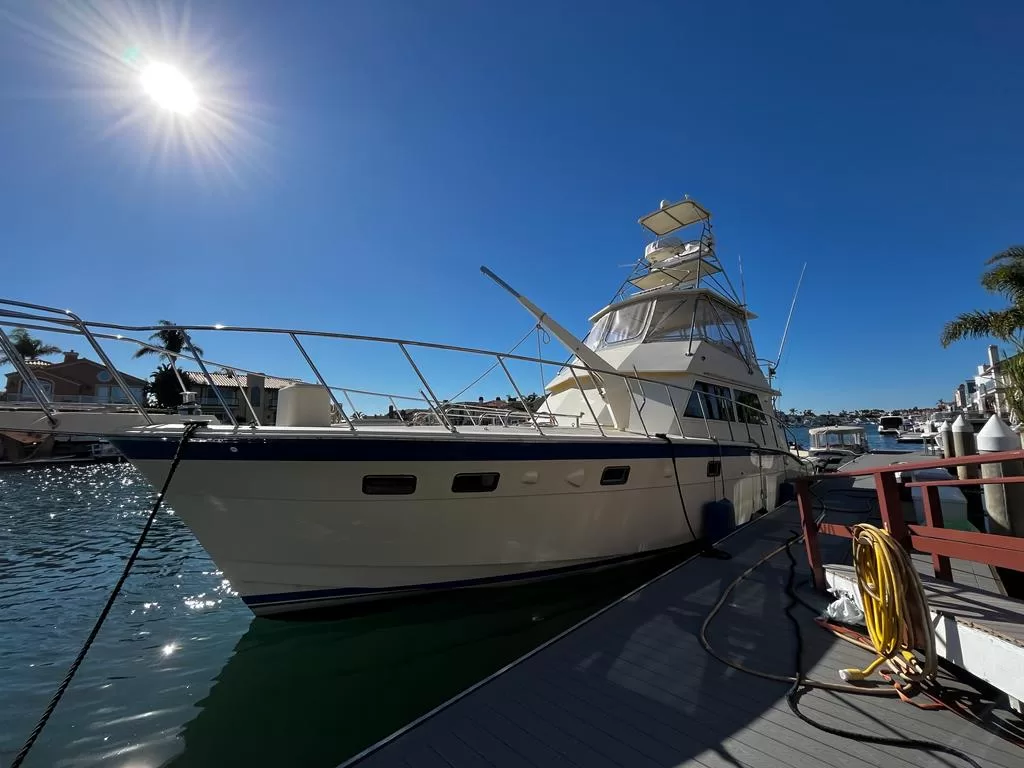
Marine engine maintenance is one of the most important factors in offshore reliability, fuel efficiency, cooling-system performance, and long-term engine life. Marine diesel engines operate in extremely harsh conditions involving vibration, salt exposure, continuous load cycles, moisture intrusion, and corrosion that gradually wear down fuel systems, cooling systems, electrical components, mounts, exhaust systems, and drivetrain assemblies.
805 Marine Diesel Mechanic provides mobile marine diesel diagnostics, cooling-system service, preventative maintenance, fuel-system inspections, drivetrain diagnostics, and dockside diesel support throughout Ventura, Channel Islands Harbor, Oxnard, and Santa Barbara.
Preventative maintenance remains dramatically less expensive than major engine failures offshore. Proper service intervals, clean fuel, cooling-system inspections, and vibration monitoring help reduce expensive shutdowns while extending engine life.
Book Marine Diesel Maintenance
Quick Pre-Departure Marine Diesel Checklist
Pre-departure inspections help identify small problems before they become serious offshore failures. Even experienced operators occasionally miss early warning signs when maintenance routines become inconsistent.
Before leaving the dock, inspect:
- Oil level and condition
- Coolant reservoir levels
- Fuel filters and separators
- Raw-water discharge flow
- Belts and hose condition
- Battery voltage and terminals
- Bilge for leaks or fluid residue
- Operating gauges and alarms
Routine inspections help catch leaks, cooling restrictions, loose clamps, contaminated fuel, and electrical problems early.
Smart Marine Diesel Service Intervals
Maintenance intervals vary based on operating hours, engine load, offshore usage, idle time, and local saltwater conditions. Southern California vessels operating around the Channel Islands often experience heavy salt exposure and extended idle periods that accelerate corrosion.
Baseline service intervals commonly include:
- Every trip: Visual inspections, fluid checks, strainer inspection, raw-water flow verification.
- 50–100 hours: Oil service, fuel filters, zinc inspection, belt checks.
- 200–250 hours: Impeller replacement, alignment checks, coolant inspection.
- Annually: Heat exchanger service, aftercooler inspection, driveline evaluation.
Following structured service intervals dramatically improves long-term diesel reliability.
Helpful maintenance resources include Marine Diesel Engine Maintenance Schedule and Troubleshooting the Heart of Your Vessel.
Oil, Filters, and Lubrication Protection
Lubrication remains the foundation of marine diesel longevity. Oil contamination, fuel dilution, coolant intrusion, and extended service intervals gradually damage bearings, camshafts, cylinder liners, turbochargers, and internal rotating assemblies.
Routine oil service should include:
- Correct OEM oil viscosity
- Oil filter replacement
- Fluid contamination inspection
- Leak inspection
- Oil sampling when appropriate
Oil analysis programs can help identify developing wear patterns before catastrophic failures occur.
Helpful lubrication resources include Fleetguard Lube Filtration.
Cooling-System Maintenance and Overheating Prevention
Cooling-system failures remain one of the most common causes of marine diesel breakdowns offshore. Heat exchangers, raw-water pumps, impellers, aftercoolers, thermostats, and coolant chemistry all require regular maintenance.
Common cooling-system maintenance includes:
- Impeller inspections
- Heat exchanger cleaning
- Coolant testing
- Sea strainer cleaning
- Zinc replacement
- Raw-water hose inspections
- Coolant hose inspections
Restricted cooling flow often begins gradually before eventually causing overheating under heavy load conditions.
Helpful support references include Fresh-Water Flushing Systems and Marine Overheating Diagnosis.
Additional coolant support resources include Fleetguard Coolants and Chemicals.
Fuel-System Maintenance and Injector Protection
Clean diesel fuel is critical for proper combustion and injector longevity. Water contamination, algae growth, clogged filters, and fuel degradation gradually reduce combustion efficiency while increasing smoke, shutdown risk, and injector wear.
Fuel-system service commonly includes:
- Primary filter replacement
- Secondary filter replacement
- Water separator draining
- Fuel polishing
- Vacuum testing
- Fuel-tank inspections
- Fuel-line inspections
Modern high-pressure injection systems are especially sensitive to contaminated fuel.
Helpful fuel-system support includes Fuel Filtration Upgrades.
Air Intake and Exhaust System Maintenance
Airflow restriction and exhaust-system corrosion both significantly affect marine diesel performance. Turbocharged engines especially depend on unrestricted airflow and properly functioning exhaust systems.
Important inspections include:
- Air filter condition
- Turbocharger inspections
- Exhaust elbow inspections
- Hose inspections
- Exhaust riser inspections
- Corrosion monitoring
Restricted exhaust elbows are extremely common in saltwater marine environments and often contribute to overheating and smoke issues.
Belts, Mounts, Alignment, and Vibration
Engine vibration gradually stresses nearly every major marine diesel component including exhaust systems, couplings, mounts, wiring, and cooling hoses.
Routine drivetrain inspections commonly include:
- Belt condition and tension
- Engine mounts
- Shaft alignment
- Coupling inspections
- Cutlass-bearing inspections
- Propeller inspections
Alignment checks become especially important after haul-outs, propeller strikes, or major drivetrain service.
Electrical System and Charging Reliability
Marine electrical problems often begin with corrosion, loose battery terminals, undersized wiring, poor grounds, or charging-system inconsistencies.
Electrical-system maintenance commonly includes:
- Battery testing
- Alternator inspections
- Charging voltage verification
- Terminal cleaning
- Starter inspections
- Ground-system checks
Reliable charging systems are essential for modern navigation electronics, generators, pumps, and onboard systems.
Seasonal Lay-Up and Long-Term Storage
Improper storage procedures often create avoidable spring startup problems. Saltwater systems, fuel systems, and internal engine components all require protection during extended downtime.
Lay-up procedures commonly include:
- Fuel stabilization
- Oil changes
- Cooling-system protection
- Battery maintenance
- Cylinder protection
- Raw-water draining
Correct winterization procedures help prevent internal corrosion and cooling-system freeze damage.
Common Marine Diesel Warning Signs
Marine diesel engines often provide warning signs before major failures occur. Early diagnostics help prevent much larger repair costs.
Common warning signs include:
- Rising temperatures
- Black smoke
- White smoke
- Blue smoke
- Low oil pressure
- Vibration
- Fuel odor
- Coolant loss
Addressing these problems early dramatically improves long-term reliability.
Helpful diagnostic references include Marine Diesel Diagnostics and Marine Diesel Repower Consulting.
Mobile Marine Diesel Maintenance Throughout Ventura and the Channel Islands
805 Marine Diesel Mechanic provides dockside maintenance, diagnostics, cooling-system service, and preventative diesel support throughout Ventura Harbor, Channel Islands Harbor, Oxnard, and Santa Barbara.
Mobile service allows engines to be evaluated directly at the vessel while reducing downtime and transportation issues.
Ready for More Reliable Offshore Operation?
Proper marine diesel maintenance dramatically reduces the risk of offshore failures while improving fuel economy, cooling efficiency, and long-term engine life.
Whether preparing for offshore fishing, island crossings, cruising, or seasonal maintenance, disciplined service intervals help keep your vessel reliable and ready for the next trip.
Marine Engine Maintenance FAQ
How often should marine diesel oil be changed?
Most marine diesels require oil service between 100–200 operating hours or annually depending on load and operating conditions.
What causes marine diesel overheating?
Common causes include clogged strainers, worn impellers, restricted heat exchangers, coolant issues, and raw-water flow restrictions.
Why is fuel filtration important?
Proper filtration protects injectors and fuel pumps from contamination, algae growth, and water intrusion.
How often should impellers be replaced?
Impellers are commonly replaced every 200–250 hours or sooner if cooling flow weakens.
Can vibration damage marine diesel engines?
Yes, excessive vibration can damage mounts, exhaust systems, couplings, hoses, and drivetrain components.
Should heat exchangers be serviced annually?
Annual exchanger inspections and cleaning help maintain proper cooling-system efficiency and prevent overheating.
Do you provide dockside maintenance service?
Yes, 805 Marine Diesel Mechanic provides mobile dockside maintenance and diagnostics throughout the Central Coast.
What areas do you service?
Service areas include Ventura, Channel Islands Harbor, Oxnard, and Santa Barbara.
Does 805 Marine Diesel Mechanic service outboards?
No, 805 Marine Diesel Mechanic specializes in inboard marine diesel systems only.
Why is preventative maintenance important?
Preventative maintenance helps identify small issues early before they become major offshore failures.
One Response