
Local marine diesel maintenance guide for Channel Islands, Ventura, and Santa Barbara boaters—keep your inboard running strong with 805 Marine Mechanic.
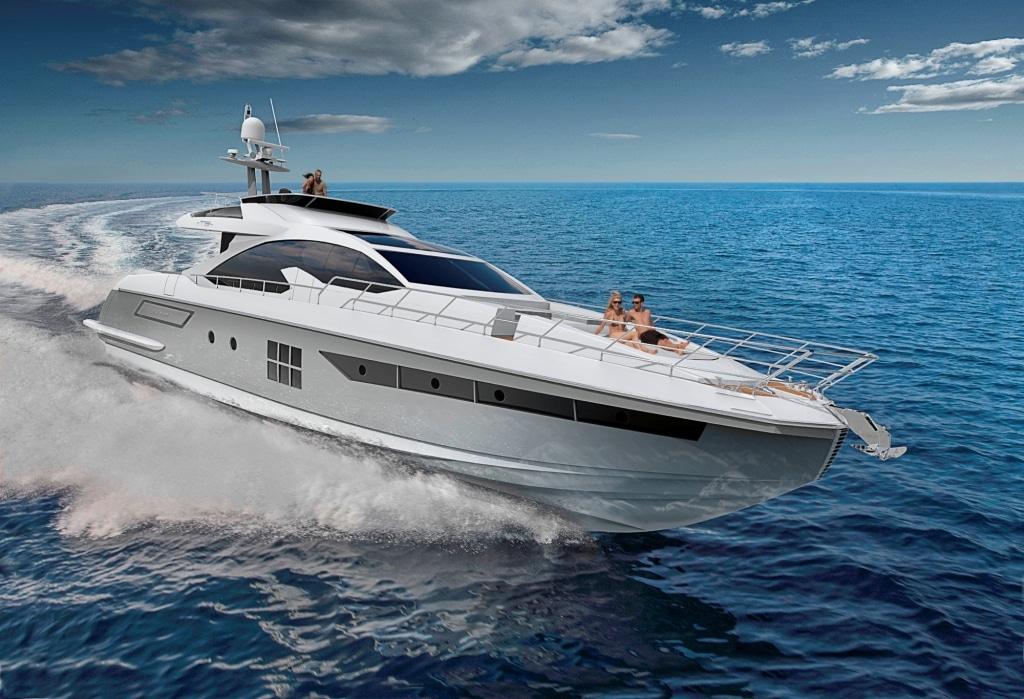
Maintaining Your Boat: Tips for Engine Repairs. Taking your boat out on the water is one of life’s greatest pleasures—especially along the Santa Barbara coast, Ventura Harbor, and the Channel Islands. Yet when an inboard marine diesel develops a hiccup, a perfect day can turn stressful fast. While boat engine repairs are sometimes unavoidable, there’s good news: with a proactive maintenance plan tailored to diesel inboards, you can dramatically reduce breakdowns, extend engine life, and enjoy more reliable seasons offshore.
805 Marine Mechanic is the trusted local provider for inboard marine diesel service across Santa Barbara, Ventura, and the Channel Islands, helping owners stay ahead of costly failures with OEM-aligned inspections, fuel system care, and cooling-system best practices.
Regular Maintenance
The most effective way to avoid major boat engine repairs is to follow a disciplined maintenance schedule. For marine diesels, that typically means:
- Engine oil & filter changes: Adhere to the manufacturer’s hours/seasonal intervals. Clean oil protects bearings, reduces wear, and keeps soot in check.
- Fuel filtration: Replace primary and secondary fuel filters on schedule and carry spares aboard. A robust RACOR setup is your first line of defense against water and particulates.
- Air filtration: Ensure the intake filter remains clean to maintain proper air/fuel ratios and reduce smoke.
- Valve lash checks (where specified): Proper adjustment sustains performance, smooth idle, and longevity.
- Aftercooler/heat exchanger service: Remove, inspect, and clean per interval to preserve charge air temperatures and cooling efficiency.
Cooling System
Overheating is among the fastest ways to damage a marine diesel. An optimized seawater and coolant loop is essential for reliability:
- Coolant side: Verify concentration, condition, and level. Replace coolant on interval to maintain corrosion inhibitors and proper boiling protection.
- Raw water side: Inspect the raw-water pump impeller, wear plate, and cover. Check strainers, hoses, and clamps for restrictions or weeping. Scale or marine growth in coolers can silently raise operating temps.
- Heat exchangers & aftercoolers: Periodic cleaning prevents salt and mineral buildup that reduces heat transfer and elevates risk of overheating.
Fuel System
Clean, dry fuel is non-negotiable with marine diesels. Water or microbial growth (“diesel bug”) can take you out at the worst time. Follow these fundamentals:
- Tank hygiene: Keep tanks topped when possible to reduce condensation. Periodically polish fuel if contamination is suspected.
- Filter discipline: Replace filters at the first sign of restriction, dark fuel, power loss, or smoke. Monitor vacuum gauges if installed.
- Professional inspection: If you suspect air leaks, injector issues, or high-pressure pump concerns, schedule diagnostics—these systems require expertise and proper test equipment.
Checking for Leaks
Early leak detection prevents small problems from becoming big ones. Inspect:
- Fuel: Look for staining at fittings, primary/secondary filters, and return lines. Even tiny air leaks can cause hard-starts and power loss.
- Oil: Check valve cover gaskets, oil pan, front/rear main seals, and cooler housings. Oil on belts or mounts signals an issue.
- Coolant: White or crusty deposits often indicate slow coolant weeping at hose ends or exchanger caps.
Using the Right Oil
Use marine-approved diesel engine oil that meets your manufacturer’s specification and viscosity range for local temperatures. The correct detergent package supports soot handling and acid neutralization typical of diesel combustion.
Running the Engine
Good operating habits pay dividends:
- Warm-up & cool-down: Allow a brief warm-up before loading, and a few minutes of light-load cool-down after high-load operation to protect the turbo and oil film integrity.
- Load management: Avoid extended wide-open throttle. Run within recommended cruise RPM where temps, oil pressure, and exhaust backpressure remain stable.
- Instrumentation: Watch coolant temp, oil pressure, boost, and charging. Trending data helps spot issues early.
- Master Marine Diesel Troubleshooting Guide – 805 Marine Diesel Mechanic
Close to Shore
When sea-trialing after maintenance or troubleshooting, staying closer to shore or operating within cell/VHF coverage provides a margin of safety and lowers towing exposure if assistance is needed.
Have a Maintenance Schedule
Consistency beats complexity. Keep a written (or digital) log for oil/filter changes, zincs, impellers, coolant exchanges, valve lash, and aftercooler/heat-exchanger service. Note hours, dates, and parts used. This supports resale value and helps your technician quickly understand the engine’s history.
Leave it to the Professionals.
Marine diesel systems demand specialized tools and knowledge. For diagnostics, electronic engine controls, injector testing, high-pressure fuel pumps, or ECU faults, it’s best to engage a qualified technician. Learn more about controls here: electronic engine controls. If powerplants or repowers are on your radar, consult early to map budgets, shaft alignment, and auxiliary systems.
Considering equipment options? Explore Perkins M-92B marine engine sales, Racor fuel filter upgrades, and Beta 70T marine engine sales for diesel-focused reliability. For Volvo Penta owners, reference the factory intervals here: Volvo Penta marine diesel maintenance schedule.
Expert Tips from Marine Mechanics in the Channel Islands
Swell, wind chop, and salt exposure around Anacapa and Santa Cruz can be tough on raw-water circuits. Inspect strainers for eelgrass, confirm hose integrity, and check cooler bundles for marine growth before longer crossings.
Effective Boat Repair Tips for Ventura Boat Owners
Ventura Harbor’s quick access encourages frequent short runs—great for engines. Still, achieve full operating temperature on each outing to evaporate moisture and fuel dilution in the oil. Use your logbook to set reminders for monthly visual inspections.
Diesel Reliability for Santa Barbara Boaters
Morning fog and afternoon wind shifts can mean long days on the hook. Keep batteries healthy, alternators charging, and belts properly tensioned. Proactively service the raw-water pump and carry a spare impeller kit aboard.
Seasonal Maintenance Advice
- Winterization (where applicable): Stabilize fuel, change oil, treat cooling systems, and address any leaks before layup.
- Spring recommissioning: Pressure-test cooling circuits, verify anodes, inspect mounts and alignment, and perform sea trials under load.
Plan Smarter Trips
Before you cast off, check marine weather and seamanship resources:
- NOAA Marine Weather for forecasts, small-craft advisories, and offshore conditions.
- BoatUS for safety tips, towing resources, and educational materials.
Inboard marine diesel service for Santa Barbara • Ventura • Channel Islands
FAQ: Marine Diesel Maintenance & Repairs
How often should I change my marine diesel oil?
Follow the engine manufacturer’s hour-based interval or seasonal schedule, whichever comes first. More idling, short runs, or heavy loads may require shorter intervals.
What are early signs my diesel needs attention?
Rising operating temperature, new vibrations, hard-starting, excess smoke, or any fuel/oil/coolant leaks. Trend your gauges and investigate changes promptly.
Do I need fuel polishing?
If tanks show water, sludge, or microbial growth—or if you’ve had repeated filter clogging—fuel polishing and tank cleaning can restore reliability.
Why is aftercooler/heat-exchanger service important?
Fouled coolers raise charge-air and coolant temps, increasing stress on internal components and risking overheating. Periodic removal and cleaning are essential.
Can I DIY injector service?
Injector testing/servicing requires specialized benches and calibration. DIY attempts can be costly; have a qualified diesel technician perform diagnostics and setup.
Keeping your boat’s engine running smoothly doesn’t have to be difficult or expensive. With a preventative plan—regular maintenance, vigilant leak checks, proper oil, and attention to fuel quality—you can avoid most boat engine repairs. If an issue arises, schedule a professional inspection quickly to prevent secondary damage and get back to enjoying the water from Santa Barbara to Ventura and out to the Channel Islands.