
Proactive cooling care for Caterpillar marine diesels serving Ventura, Oxnard/Channel Islands Harbor, and Santa Barbara.

Modern Caterpillar marine engines deliver dependable torque and efficiency—if their cooling systems stay clean, balanced, and leak-free. Local realities (warm seawater, marine growth, seasonal layups) around Ventura, Channel Islands Harbor, and Santa Barbara accelerate scale, corrosion, and flow restriction.
805 Marine Diesel Mechanic engineers Caterpillar cooling system maintenance programs that preserve heat transfer, stabilize temperatures, and extend component life for inboard diesel applications.
Caterpillar Cooling System Overview for Local Waters
Caterpillar’s closed-loop coolant circuit and raw-water circuit share the workload: the heat exchanger, aftercooler, transmission and engine oil coolers, raw-water pump, thermostat, pressure cap, hoses, and piping. In our harbors, biofouling and mineral content demand a maintenance plan that goes beyond “as-needed” service.
System Demands: Chemistry, Flow & Heat Exchange
- Correct coolant chemistry (freeze/boil protection and inhibitors) to prevent liner cavitation, corrosion, and gelling
- Verified raw-water flow through strainers, pump, and cooler bundles
- Clean aftercooler and heat-exchanger cores to prevent heat soak and derate
- Sound hoses, clamps, and seals to eliminate weeps and air ingestion
Why Cooling Maintenance Is Mission-Critical for Caterpillar Engines
Unchecked scale or poor coolant chemistry drives overheat alarms, power loss, gasket failures, and premature cooler replacement. Proactive service restores heat transfer, stabilizes operating temps, and protects major components.
Core Cooling Services by 805 Marine Diesel Mechanic
- Closed-loop coolant testing (pH/SCA) and renewal to OEM spec
- Thermostat test/replace and temperature regulation verification
- Raw-water pump inspection (impeller, wear plate, seals) and vacuum checks
- IR temperature trend checks under load with documented results
- Pressure/vacuum testing to locate leaks and air entrainment
Annual Descaling & Fresh-Water Flushing Workflow

Sea Flush + Barnacle Buster
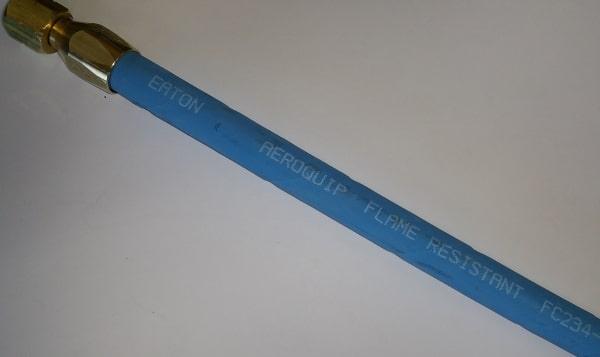
We connect a temporary loop and circulate marine-safe descaler through the heat exchanger, aftercooler, engine and transmission oil coolers in a single procedure. This removes scale and biological growth while preserving gasket materials and seats.
Hose, Clamp & Anode Best Practices
We replace aged raw-water hoses, clamps, and chafe protection; service pencil anodes on schedule; and verify strainer gaskets and lids. For mixed/brackish water, aluminum sacrificial anodes are often preferred over zinc for sustained protection.
Long-Term Advantages for Caterpillar Owners
- Stable operating temperatures and consistent performance
- Lower lifecycle costs by preventing premature core replacements
- Extended engine life via corrosion and cavitation control
- Predictable service windows aligned to your usage pattern
Ready for Heavy Seasons & Layups
We tailor intervals for high-hour charters, weekenders, and seasonal layups. Off-season descaling plus proper coolant storage chemistry minimizes springtime surprises.
Cooling Care by Trained Marine Diesel Technicians
Our trained technicians work exclusively on inboard marine diesels. You’ll receive a written report with measurements (coolant pH, SCA, delta-T across cores, pump vacuum) and a clear next-service schedule.
Serving Ventura, Oxnard, Channel Islands Harbor & Santa Barbara
Mobile cooling maintenance at:
- Ventura Harbor marinas and private slips
- Channel Islands Harbor (Oxnard) docks and yards
- Santa Barbara Harbor charter fleets and yachts
Related planning: Fresh Water Flushing • Perkins Marine Diesel • Yanmar Marine Diesel • Contact 805 Marine Diesel Mechanic
References: BoatUS • Yachting Magazine • Caterpillar Marine Official • TRAC Barnacle Buster
Protect your Caterpillar with an engineered cooling plan designed for our local waters and long-term reliability.
Caterpillar Marine Cooling System FAQs
How often should I descale the raw-water side?
In our region, annually is a solid baseline—more often for heavy use or high-fouling slips. Pair with coolant testing every 6–12 months.
What are signs my heat exchanger or aftercooler needs service?
Rising temps at load, reduced WOT RPM, frequent overheat alarms, scale in end caps, or visibly reduced discharge flow.
Is fresh-water flushing worth it after each trip?
Yes. It slows biofouling and mineral buildup, lengthens intervals between descaling, and improves cooler lifespan.
Aluminum vs. zinc anodes—what should I use?
Aluminum performs well in salt and brackish water and tends to last longer across mixed conditions; always match anode type to cooler metallurgy and OEM guidance.
Do you service at my slip?
Yes. We provide mobile cooling maintenance in Ventura Harbor, Channel Islands Harbor (Oxnard), and Santa Barbara Harbor, subject to marina access.
2 Responses