
Ventura Boaters Guide: Top 10 Tips for Marine Diesel Engine Maintenance
Keeping your marine diesel engine dialed in is the difference between a relaxed Channel Islands crossing and an unexpected day at the dock. This Ventura-focused guide from 805 Marine Mechanic distills proven, dockside-tested maintenance tips to help you maximize reliability, performance, and engine life.
Below you’ll find 10 essential checks—from heat exchangers and raw-water cooling to fuel filtration and electrical health—organized so you can spot problems early and avoid costly repairs. When you want expert, on-site help in Ventura, the Channel Islands, or Santa Barbara, your local partner is 805 Marine Mechanic.
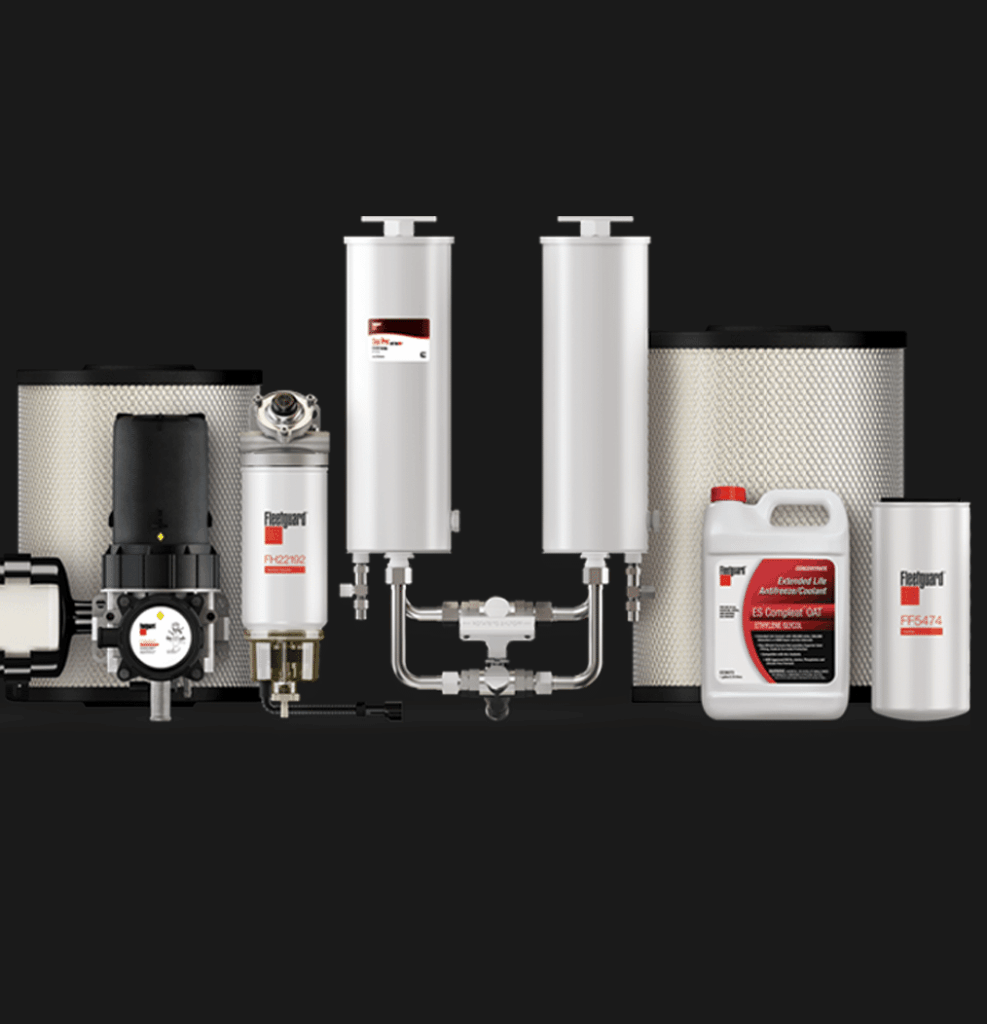
FLEETGUARD fuel fitration system
Essential Engine Checks
Inspecting the Heat Exchanger
Your heat exchanger is the backbone of temperature control. Visually inspect for corrosion, green/white salt bloom, and staining that indicates weeping. Remove end caps to check tube bundles for marine growth or zinc debris, and replace pencil anodes as needed. Pressure-flush and clean the core if you see temperature creep under load. Persistent fouling, tube erosion, or internal leaks are signs it’s time for professional service or replacement.
A clean, leak-free exchanger keeps head temps stable, protects turbo/aftercooler components, and maintains fuel efficiency. For Ventura-area diagnostics and service, book an on-site visit with 805 Marine Mechanic.

Monitoring the Cooling System
Check expansion tank levels, condition of coolant, and cap integrity. Trace the raw-water path: intake scoop → seacock → strainer → raw-water pump/impeller → heat exchanger → exhaust elbow. Look for hose soft spots, suction-side collapse, and crust at hose barbs. Verify the thermostat opens at spec temperature and confirm steady discharge at the exhaust. If the coolant looks rusty, oily, or milky, flush and refill.
For deeper troubleshooting or pre-trip system checks, connect with 805 Marine Mechanic.
Regular Oil Changes
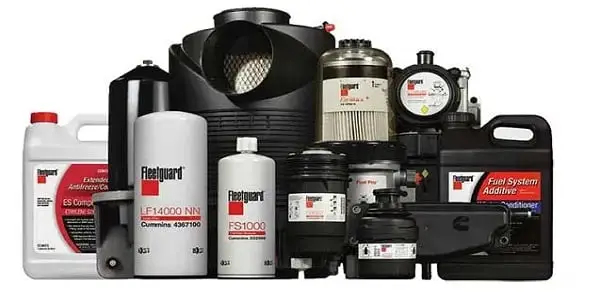
Change oil and filters at manufacturer intervals (commonly ~100 hours or annually). Warm the engine first for complete draining, replace the filter O-ring, and pre-lube the new filter when specified. Send an oil sample periodically—spectro analysis can flag fuel dilution, coolant intrusion, or accelerated wear metals before a failure. Use high-quality marine-rated oil appropriate for your engine’s spec and duty cycle.
Preventative Maintenance Tips

Fuel System Care
Water and particulates are the enemies of precise diesel injection. Inspect supply/return lines for chafe and seepage, snug clamps, and replace filters on schedule. Drain separators after rough seas and keep spare elements aboard. Consider dual manifold filtration for redundancy on Channel Islands runs. A quality conditioner like
diesel additive
can help manage moisture and deposits. Periodically inspect the tank for sludge and water; polish or clean if contamination appears.
Checking Hoses and Belts
Feel for soft spots, bulges, and internal delamination on coolant and raw-water hoses; replace any suspect sections and double-clamp below the waterline. Inspect belts for glazing, fray, or cracking and verify alignment/tension—belt dust around pulleys points to misalignment or overload. Re-check new belt tension after the first run-in.

Battery Maintenance
Clean terminals with baking soda/water, rinse, dry, and apply protectant. Confirm secure mounts and strain relief on heavy cables. For flooded cells, top with distilled water. Test resting voltage and cranking performance; weak batteries stress starters and alternators. Keep shore-power chargers and alternators within proper voltage ranges to avoid plate damage.
For load testing, charging audits, and system upgrades in Ventura, rely on 805 Marine Mechanic.

Exhaust System Maintenance
Inspect exhaust hoses for heat checking, soft spots, and delamination; replace at the first sign of weakness. Verify clamps are stainless and properly doubled where appropriate. Check waterlock/muffler for leaks and ensure anti-siphon loops are correct. Excess smoke, unusual odor, or louder-than-normal operation points to restrictions or water intrusion—address immediately to avoid cylinder damage and CO hazards. 805 Marine Mechanic provides thorough exhaust diagnostics for Ventura boaters.
Electrical System Checks
Salt air is tough on wiring. Inspect harness routes for chafe points, add loom where needed, and secure with cushioned clamps. Clean/retighten alternator and starter connections, verify fuse/breaker condition, and use dielectric grease on vulnerable connectors. Confirm shore-power charging profiles match battery chemistry, and periodically test voltage drop on critical circuits. Preventive electrical care avoids the “won’t-start” surprise at anchor.
Propeller and Shaft Inspection
Prop dings, bends, or barnacle buildup increase load and vibration, robbing speed and fuel economy. Spin the shaft by hand (safely) and feel for roughness; inspect the cutlass bearing for play and the stuffing box or shaft seal for leaks/overheating. Balanced running gear protects your transmission and engine mounts and keeps passages to the Channel Islands smooth and efficient.
Seasonal Maintenance: Preparing for Summer and Winter
Before summer: change fluids/filters, replace raw-water impeller, service fuel filtration, and confirm cooling flow. For winter or lay-up: stabilize fuel, change oil, flush coolers, fog cylinders (as specified), and store batteries fully charged or on a smart maintainer. Seasonal discipline extends engine life and ensures turn-key starts when the next weather window opens.
Troubleshooting and Warning Signs
Watch for temp creep under normal load, loss of top-end RPM, hard starts, smoke color changes (white/blue/black), belt dust, or vibration. Use a simple logbook: hours, temps, oil added, fuel filters changed, and anomalies. Trendlines tell the story and help your mechanic pinpoint root causes quickly.
Partnering with Professionals
Many tasks are DIY-friendly, but scheduled professional inspections uncover issues hidden behind “it still runs.” 805 Marine Mechanic brings specialized tools, marine diagnostics, and brand familiarity to your slip—ideal for pre-voyage checks, reliability upgrades, and lifecycle planning.
Conclusion
Smart diesel maintenance is your passport to stress-free boating. Follow these tips, keep good records, and handle small issues before they grow. When you need a trusted partner in Ventura, the Channel Islands, or Santa Barbara, count on the on-site expertise of 805 Marine Mechanic to keep your engine running strong.
Schedule Your Marine Diesel Service with 805 Marine Mechanic