
Trusted yacht and commercial diesel diagnostics, maintenance, and repairs by 805 Marine Mechanic in Ventura, Channel Islands, and Santa Barbara.
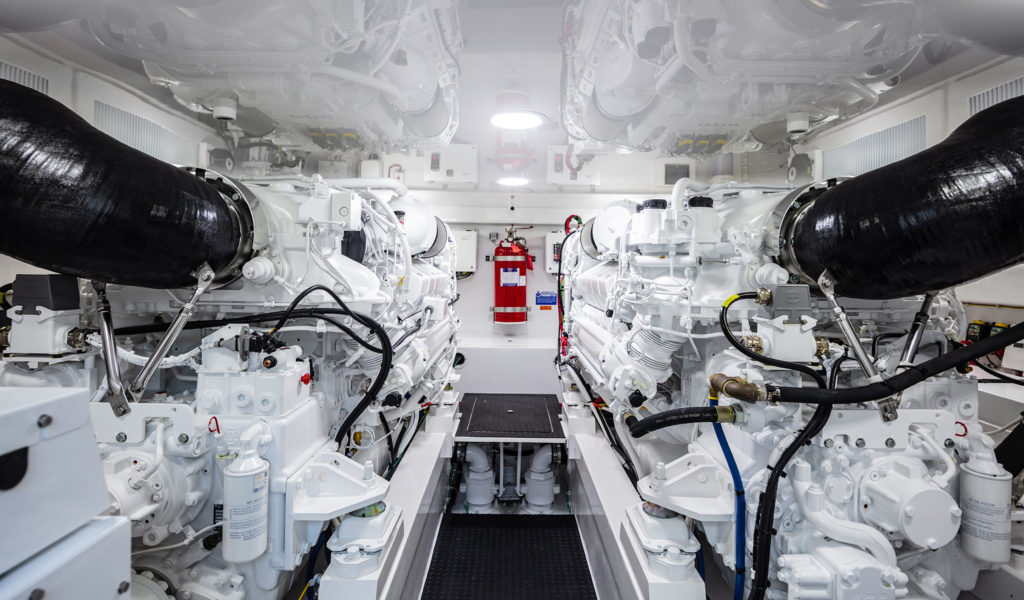
The heart of your boat is its marine diesel engine, and keeping it healthy is a crucial task. This is precision machinery that requires brand-specific knowledge and disciplined service procedures — exactly why marine diesel engine mechanics are so valuable. A skilled technician can diagnose, maintain, and repair engines across the fleet — from cruising sailboats to workboats — and help you avoid costly breakdowns while protecting time on the water.
The Ultimate Guide to Yachting Maintenance: Keep Your Vessel Shipshape with 805 Marine Mechanic
Ensuring your yacht remains in peak condition takes diligent maintenance and expert care — which is where 805 Marine Mechanic steps in. We specialize exclusively in inboard marine diesel systems across leading brands like Cummins, Yanmar, Caterpillar, Volvo Penta, and MAN marine. From routine checks to intricate troubleshooting, our seasoned team delivers comprehensive marine services designed for reliability, safety, and performance.
Troubleshooting the Heart of Your Vessel
Common Engine Issues (and What They Mean)
Whether you run Cummins, Yanmar, Caterpillar, Volvo Penta, MAN, Detroit Diesel, or BETA Marine, the symptoms of trouble are similar:
- Overheating: Often caused by clogged seawater strainers, fouled heat exchangers, failing raw-water impellers, or thermostat issues.
- Loss of Power: Fuel contamination or blocked filters, restricted air intake, charge-air leaks, or exhaust backpressure issues.
- Excessive Smoke: Black (overfueling/restriction), white (fuel timing/atomization), or blue (oil ingestion) — each points toward a unique root cause.
- Difficult Starting or Stalling: Weak batteries, poor cable integrity, lift-pump problems, sensor faults, or air in the fuel system.
- Unusual Noises/Vibration: Mount deterioration, coupling/alignment problems, or internal wear that warrants immediate attention.
At 805 Marine Mechanic, our diagnostic process pairs factory procedures with real-world experience, so problems are resolved quickly and correctly.
Why Regular Inspections Matter
Preventive inspections catch small issues before they cascade into costly failures. Our routine checks cover critical systems — fuel delivery, cooling (raw and fresh-water sides), charging/starting, and exhaust — and include torque verification, clamp integrity, hose condition, fluid analysis, and data-logged temperature/pressure baselines. The result is a reliable engine and predictable maintenance.
Essential Tools We Use (So You Don’t Have To)
- Electronic diagnostics: OEM-capable scan tools for sensors, codes, and live data.
- Instrumentation: Fuel pressure/vacuum gauges, manometers, and calibrated temperature probes.
- Electrical: DMMs, clamp meters, and load testers for batteries and charging systems.
- Mechanical: Torque wrenches and specialty pullers for brand-specific service.
We equip our boat mechanics with state-of-the-art tools, enabling faster, more accurate troubleshooting and repairs.
Troubleshooting the Heart of Your Vessel: A Step-by-Step Guide
Initial Assessment
- Listen & Observe: Note starting behavior, idle quality, throttle response, smoke color, and any new vibrations.
- Electrical Baseline: Test battery voltage (resting and under load), verify clean ground paths, and confirm alternator output.
- Fluid Survey: Check oil condition/level, coolant strength/level, and for any signs of cross-contamination.
Visual Inspection Techniques
- Scan for leaks (fuel, oil, coolant, seawater) and salt crust at hose junctions.
- Inspect belts/hoses for glazing, cracking, or softness; confirm clamp integrity.
- Examine raw-water components (strainer, pump, aftercooler, heat exchanger) for restriction or corrosion.
Using Diagnostic Tools
- Code Scan & Live Data: Identify fault codes, monitor temp/pressure sensors, boost, and fuel demand.
- Fuel/Vacuum Tests: Determine if filters or lines are restricting flow; confirm lift-pump performance.
- Temperature Profiling: IR-map the heat exchanger/aftercooler to reveal internal blockages.
Root-Cause Isolation
We follow OEM flowcharts and service bulletins to home in on the cause. For example, rising load temps might indicate a scaled heat exchanger or a collapsing suction hose; air-in-fuel events point to loose fittings or degraded priming components.
Practical Solutions to Fix Marine Engine Issues
Owner-Level Essentials
- Oil & Filters: Follow hours/seasonal intervals; record in a logbook.
- Fuel Quality: Replace primary/secondary filters on schedule; drain water separators; polish fuel after contamination events.
- Cooling Hygiene: Clean seawater strainers; monitor raw-water discharge; flush/descale as recommended.
- Electrical Readiness: Keep battery terminals clean/tight; test voltage under load each season.
Advanced Shop Techniques
- Timing/Calibration: Injector checks and calibration where applicable; ECU updates as required.
- Alignment: Engine/gearbox/shaft alignment and flexible coupling checks to reduce vibration and wear.
- Cooler Service: Bench-clean heat exchangers/aftercoolers; pressure test; replace anodes and gaskets.
- Exhaust Integrity: Inspect for leaks, soot, or water intrusion; evaluate backpressure.
The Benefits of Routine Boat Maintenance
Long-Term Savings
Preventive care reduces emergency haul-outs, tow bills, and collateral damage. A small investment in inspections and fluids pays dividends in engine life and resale value.
Performance & Reliability
Consistent service yields clean starts, stable temps, lower vibration, and efficient fuel burn — exactly what you want for Channel crossings and coastal runs.
Channel Islands Boat Repair and Maintenance
Local Expertise & Mobile Service
We operate where you boat: Ventura Harbor, Channel Islands Harbor, and Santa Barbara. Our mobile, in-slip service model minimizes downtime and logistics. We’ll coordinate marina access and work windows to fit your schedule.
Community Connections
Tap into local workshops, dockside seminars, and boater groups for maintenance tips and trip planning. A strong harbor network helps you solve problems faster and boat more confidently.
What We Service (and What We Don’t)
805 Marine Mechanic specializes in inboard marine diesel service only — diagnostics, maintenance, repairs, repowers, and sea-trial validation. We do not service gasoline or outboard engines. This singular focus lets us invest in the right tools, training, and parts pipeline for diesel reliability.
Frequently Asked Questions
What are the earliest signs my marine diesel needs attention?
Hard starting, rising operating temperatures, new vibration, or smoke color changes (black/white/blue) are early warning signs. Don’t ignore them — early diagnostics save money.
How often should I change fuel and oil filters for Channel crossings?
Follow OEM hours/seasonal guidance; for frequent crossings or rough seas, consider shorter intervals. Replace filters at least annually, and carry spares onboard.
Can you diagnose intermittent power loss under load?
Yes. We test fuel vacuum/pressure, confirm air intake integrity, check boost, and scan live data to pinpoint restriction, injector, or sensor issues.
Do you provide in-slip service at Ventura, Channel Islands, and Santa Barbara?
Yes. We coordinate mobile, dockside appointments and complete many services without moving the vessel.