
Rolls-Royce MTU 12V2000 M96 marine diesel maintenance, inspection, and diagnostics for high-performance yachts and sportfishing vessels in Ventura, Oxnard, Channel Islands Harbor, and Santa Barbara by the trained technicians at 805 Marine Diesel Mechanic.
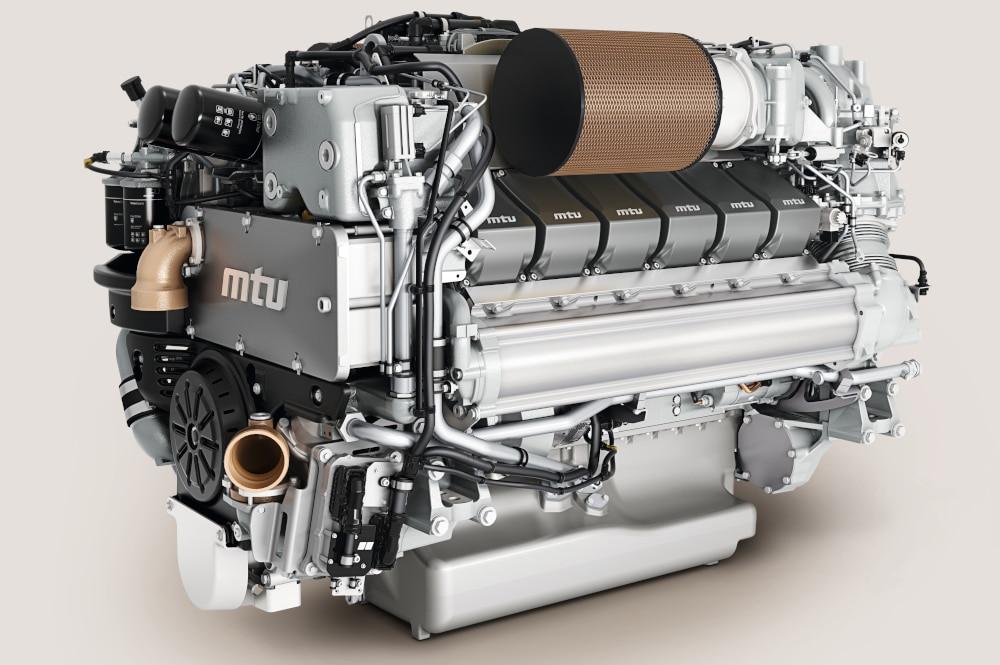
MTU’s 12V2000 M96 from Rolls-Royce is a flagship high-performance yacht engine—delivering over 2,000 horsepower with smooth acceleration, refined manners, and long service life when maintained correctly. For owners running hard between Ventura, the Channel Islands, Oxnard, and Santa Barbara, staying ahead of the MTU marine diesel maintenance schedule is the key to preserving reliability, keeping noise and smoke low, and protecting a significant investment in propulsion.
Schedule MTU 12V2000 Service
Request a Rolls-Royce Marine Assessment
MTU 12V2000 M96 Overview & Central Coast Operating Reality
The MTU 12V2000 M96 is designed for high-speed planing yachts and performance sportfishing boats, delivering rapid acceleration, excellent throttle response, and refined operation. With power ratings exceeding 1,470 kW (2,000+ hp), these engines are engineered to run hard—provided their service schedule, fuel quality, and cooling systems are managed carefully.
On the California Central Coast, yachts powered by MTU 2000-series engines typically see:
- Short warm-up and long periods at cruise RPM between Ventura and the Channel Islands.
- Frequent maneuvering in tight slips at Channel Islands Harbor, Oxnard, and Santa Barbara.
- Exposure to varying seawater quality and fouling that affect cooling performance.
- Seasonal usage patterns—long idle stretches followed by high-load trips offshore.
These real-world conditions make disciplined, documented maintenance even more important than the brochure suggests. 805 Marine Diesel Mechanic translates the MTU maintenance schedule into a practical, local plan that matches how you actually run your boat.
Technical Demands of MTU Rolls-Royce Marine Diesels
MTU 12V2000 engines are sophisticated, high-output common-rail diesels. Key technical characteristics include:
- High specific power: A compact footprint delivering superyacht-level horsepower.
- Advanced fuel systems: High-pressure injection highly sensitive to fuel cleanliness and water contamination.
- Thermal management: Raw water circuits, heat exchangers, aftercoolers, and oil coolers must work flawlessly.
- Electronics and protection devices: Sensors, pickups, and protection logic safeguard the engine—if regularly tested.
Rolls-Royce’s broader mtu portfolio (such as Series 4000 commercial engines with TBOs up to 96,000 hours) shows what the brand can achieve when maintenance is done correctly. On pleasure-duty 12V2000s, that same philosophy applies: consistent service equals long engine life and predictable performance.
Why the MTU Maintenance Schedule & Clean Fuel Are Critical
Most catastrophic failures on high-speed yacht engines can be traced back to skipped or stretched maintenance. On MTU 12V2000s, the biggest risk areas are:
- Neglected oil changes: High-specific-output operation generates heat and soot—dirty oil accelerates wear.
- Poor fuel quality: Water and sediment damage injectors, pumps, and common-rail hardware.
- Cooling system neglect: Fouled heat exchangers, worn zincs, and weak impellers lead to overheat events.
- Overlooked turbo and exhaust issues: Small leaks or restrictions quickly become major performance problems.
Consistent fuel management, filtration upgrades, and seasonal cooling-system care are especially important for boats that see local harbor idling and then long high-load runs to the islands. We often integrate MTU maintenance with broader fuel and coolant programs used on Perkins and Yanmar fleets for owners with multiple vessels.
Rolls-Royce MTU Marine Diesel Maintenance Schedule (Practical Overview)
Below is a practical summary of the Rolls-Royce/MTU 12V2000 yacht engine maintenance schedule as typically adapted for Central Coast use. Exact intervals should always be confirmed against your engine model, rating, and operating profile.
Daily Checks (Before Operation)
- Cooling system coolant level – check header/expansion tank level.
- Engine air cleaner service indicator – check restriction indicator.
- Engine oil level – verify on level ground with engine at rest.
- Fuel system water separator – drain any visible water.
- Marine transmission oil level – check per manufacturer procedure.
These daily checks catch early leaks, coolant loss, and fuel contamination before you leave the dock.
At 250 Service Hours or 6 Months
- Complete all daily checks first.
- Drive belts: inspect condition and tension, adjust as needed.
- Electrical connections: inspect engine and ECU harnesses for security and corrosion.
- Air cleaner: check for restriction and service/replace as needed.
- Zinc anodes: inspect and replace if worn.
- Antifreeze: verify concentration and top off or correct as required.
- Raw water pump seals: inspect for seepage or corrosion.
- Sea water strainers: remove, clean, and verify proper flow.
At 500 Service Hours or Yearly
- Replace all zinc anodes.
- Replace raw water pump impellers; inspect pump seals and bearings.
- Flush raw water system with an appropriate descaling solution.
- Check battery electrolyte level and perform capacity testing where applicable.
- Inspect belt tensioners and drive belts; adjust or replace as necessary.
- Test/add SCA (Supplemental Coolant Additive) or verify coolant spec.
- Clean or replace engine air cleaner elements.
- Clean engine crankcase breather.
- Obtain an engine oil sample for lab analysis.
- Change engine oil and filters according to MTU’s interval guidance.
- Clean fuel inlet screen.
- Replace primary fuel/water separator elements and secondary fuel filters.
- Drain fuel tank water and sediment from the bottom of tanks.
- Inspect/replace hoses and clamps (coolant, raw water, fuel).
- Clean/inspect sea water strainers.
- Inspect water pump and associated plumbing.
- Reverse gear: change oil and filter, inspect for leaks and noise.
- Inspect all hydraulic hoses and fittings for leaks, cracks, and aging.
At 1000 Service Hours or 2 Years
- Aftercooler core: flush, clean, and pressure-test.
- Cooling system coolant (DEAC or MTU-approved): drain and replace.
- Engine protective devices: test alarms, shutdowns, and safety interlocks.
- Magnetic pickups: clean and inspect for damage or misalignment.
- Turbochargers: inspect for shaft play, oil leaks, and fouling.
- Inspect exhaust hoses and cooling water hoses; replace as needed.
- Valve lash: inspect and adjust per MTU specification.
- Fuel injection timing: verify and adjust if required.
Semi-Annual & Annual Best Practices
- Fuel system: inspect injectors, fuel rails, and lines; replace any suspect components.
- Turbochargers: clean and service per use and condition.
- Exhaust system: inspect risers, mixers, clamps, and lagging for leaks or corrosion.
- Heat exchangers and coolers: clean and pressure-test annually in heavy-use applications.
- Engine mounts: inspect alignment and condition; adjust or replace as necessary.
- Record keeping: maintain a detailed maintenance log with dates, hours, and parts used.
Core MTU 12V2000 Services by 805 Marine Diesel Mechanic
Our MTU/Rolls-Royce service packages are built around diagnostics, documentation, and real-world operating needs. Typical work scopes include:
- Scheduled oil, fuel, and coolant service matched to MTU guidance and your operating profile.
- Advanced fuel system support—filtration upgrades, water separation, and tank inspection.
- Raw water and coolant circuit maintenance: zincs, impellers, heat exchangers, and aftercoolers.
- Proactive turbocharger and exhaust system inspection and servicing.
- Engine protection device testing and basic marine diesel diagnostics.
- Transmission, shaft, and coupling checks to keep the entire driveline aligned and smooth.
Advanced Upgrades: Filtration, Monitoring & Control
To protect high-value propulsion systems like the MTU 12V2000, we often recommend:
- Upgraded Racor or Fleetguard primary fuel filtration with clear bowls and vacuum monitoring.
- Added fuel polishing and tank-cleaning for boats with long idle periods.
- Coolant quality monitoring as part of broader engine cooling system maintenance.
- Integration with electronic engine controls and propulsion control systems for smoother shifting and maneuvering.
These upgrades reduce unplanned downtime and protect injectors, pumps, and aftercoolers from preventable damage.
Hose, Plumbing & Engine Room Details
High-output engines depend on robust, well-routed plumbing. As part of MTU maintenance, we:
- Inspect and replace aging coolant, raw water, and fuel hoses with marine-rated replacements.
- Upgrade clamps, reroute hoses for chafe protection, and improve access where possible.
- Verify venting, drains, and strainer locations for serviceability and proper flow.
- Coordinate with your fresh water flushing system or saltwater flushing routines when applicable.
Small improvements in hose routing and support often pay back quickly in reduced leaks and easier future service.
Long-Term Benefits of a Structured Rolls-Royce Marine Maintenance Plan
Following a documented MTU/Rolls-Royce marine diesel maintenance schedule with a local specialist delivers:
- Reliability: Fewer surprise alarms or derates when running offshore or returning to harbor in weather.
- Performance: Consistent power, clean acceleration, and stable cruise speeds.
- Fuel efficiency: Clean coolers, injectors, and properly tuned engines waste less fuel.
- Component life: Turbos, injectors, pumps, and coolers live closer to their design service intervals.
- Resale value: A complete, well-documented MTU service history is a strong selling point.
Legacy Support, OEM Resources & Future Fuels
Rolls-Royce and mtu continue to evolve their marine product lines, including documentation and fuel guidance. As part of your maintenance plan, we can help you interpret and apply information from:
- Official MTU marine resources such as mtu Solutions.
- Rolls-Royce and MTU 2000-series product information for yachts and commercial craft.
- Broader maintenance and safety practices covered by BoatUS and Yachting Magazine.
We keep your engines aligned with manufacturer guidance while tailoring service to local Ventura, Oxnard, Channel Islands, and Santa Barbara conditions.
Trained Technicians & a Documented Work Process
Every MTU/Rolls-Royce job at 805 Marine Diesel Mechanic follows a consistent, transparent process:
- Consultation on hours, duty cycle, and prior service history.
- Onboard inspection and diagnostic review.
- Written estimate and maintenance plan based on MTU guidance.
- Execution of agreed work scope with OEM-style procedures.
- Dock trial and, where appropriate, sea trial validation.
- Delivery of a written service report for your records and survey files.
Local MTU Marine Service Coverage
We provide mobile MTU and Rolls-Royce marine diesel service for:
- Santa Barbara Harbor and nearby marinas.
- Ventura Harbor and Oxnard marinas.
- Channel Islands Harbor and Channel Islands Marina.
Most scheduled maintenance and inspections can be completed at your slip. For combined projects—such as shaft work, bottom paint, or control upgrades—we coordinate yard visits to minimize total downtime.
Keep Your Rolls-Royce MTU 12V2000 on Schedule
With a fully mapped maintenance schedule and a local team that understands Central Coast conditions, your MTU-powered yacht can deliver years of fast, quiet, confident performance. From Ventura and Oxnard to the Channel Islands and Santa Barbara, 805 Marine Diesel Mechanic is your partner for preventive maintenance, diagnostics, and long-term reliability on Rolls-Royce marine diesel engines.
Request an MTU Maintenance Plan
Get a Rolls-Royce Engine Service Quote
Contact 805 Marine Diesel Mechanic Today
Frequently Asked Questions About MTU 12V2000 Marine Diesel Maintenance
How often should I service my MTU 12V2000 yacht engines?
Daily checks, 250-hour/6-month inspections, 500-hour/annual service, and 1,000-hour/2-year tasks are typical benchmarks. The exact schedule depends on your rating, duty cycle, and local conditions. We tailor a plan around how you actually run your boat between Ventura, the Channel Islands, and Santa Barbara.
What happens if I delay or skip MTU maintenance intervals?
Repeatedly stretching oil, fuel, and cooling system intervals can shorten turbo, injector, and cooler life and increase the risk of faults or derates at the worst possible time. If you’re behind, the best approach is a comprehensive catch-up service to realign all intervals and reset the clock.
Can you perform MTU engine service at my slip in Ventura, Oxnard, or Channel Islands Harbor?
Yes. Most inspections, fluid changes, filter service, diagnostics, and many repairs can be performed dockside. We coordinate yard time only when haul-out or major component removal is required.
Do you work only on MTU, or can you service my other diesel engines as well?
We specialize in marine diesel propulsion—from MTU/Rolls-Royce to brands like Perkins and Yanmar. Many owners have mixed fleets, and we can synchronize maintenance across all engines and generators to minimize downtime and service visits.
Why is fuel and cooling system maintenance so important on MTU 12V2000 engines?
High-pressure fuel systems and tightly loaded cooling circuits leave little margin for dirty fuel or restricted raw-water flow. Clean diesel, properly maintained filters, fresh impellers, and clean coolers are essential for safe operating temperatures, full power, and long engine life.
How do I get started with an MTU/Rolls-Royce marine maintenance plan?
Start with a conversation about your current hours, recent service, and how you use the boat. From there, we build a written maintenance roadmap aligned with MTU guidance and local Central Coast conditions, then schedule an onboard evaluation at your home port.