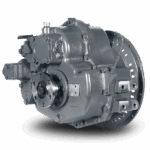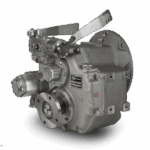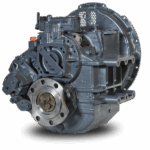
Twin disc oil strainer should be cleaned every thousand hours of operation. offering services in Santa Barbara Harbor, Ventura Harbor, and Channel Islands Harbor Transmission noise is most commonly caused by a poorly running engine or a worn-out drive/damper plate. A compression check is a must before putting any blame on the transmission. If compression is not within 10% in all cylinders, uneven firing impulses may cause the transmission to make backlash noise.
If the engine is tuned up and running well, the drive/damper plate may be the cause of noise. This plate absorbs the engine’s firing impulses, is the last link between the engine and transmission, and connects directly to the transmission’s input splines. With a bad drive plate, even the slightest variation in firing impulses from the engine can cause transmission noise.
Noise may be more apparent at idle, since the engine firing impulses are further apart. Avoid idling for great lengths of time as this puts extra wear on the transmission. Transmissions last the longest at steady cruising speeds and with no high rpm shifting.
Twin Disc Marine Reduction Gear Maintenance for Diesel Vessels in Santa Barbara, Ventura & Channel Islands
Proper care of your Twin Disc marine reduction gears is essential for reliable shifting, smooth propulsion, and long-term drivetrain health. Our trained technicians at 805 Marine Diesel Mechanic service all Twin Disc reduction gear models found in commercial, recreational, and cruising vessels throughout Santa Barbara Harbor, Ventura Harbor, Oxnard, and Channel Islands Harbor.
Below is a detailed breakdown of recommended service intervals, symptoms to watch for, and why consistent maintenance is critical for any inboard diesel boat in our local waters.
Oil Change Frequency for Twin Disc Reduction Gears
Twin Disc reduction gears rely on clean, uncontaminated transmission oil to maintain proper hydraulic pressure, clutch engagement, and lubrication. The correct interval depends heavily on how your vessel is used:
Standard Use: Change reduction-gear oil every 6 months (twice per year).
Heavy Loading or High-Hour Use: Change oil more frequently, especially for commercial or frequently underway vessels.
Excessive Idling: Change oil more often, as idle operation increases vibration and internal wear.
Why Idling Wears the Transmission Faster
When a diesel engine idles or runs at very low RPM:
Firing impulses are farther apart
Vibration is transferred more directly into the gearbox
Clutch plates and bearings experience more micro-shock loading
Backlash noise becomes more pronounced
This means idling is harder on a Twin Disc transmission than steady cruising. Keeping idle time to a minimum dramatically extends transmission service life.
Transmission Heat Exchanger Zinc Replacement
Electrolysis and saltwater exposure are constant threats in Southern California harbors. Your Twin Disc transmission cooler contains zinc anodes that protect internal components.
Replace zincs every 6 months, or sooner in higher-salinity areas or if the boat sits unused.
Boats in Ventura Harbor and Channel Islands Harbor often require more frequent zinc changes due to increased salinity and tidal flow.
Neglected zincs can lead to cooler failure, overheating, and expensive transmission damage.
Twin Disc Oil Strainer Service Interval
The oil strainer inside the reduction gear filters out debris, clutch material, and contaminants.
Clean the oil strainer every 1,000 hours of operation.
Heavy-use vessels (charter, commercial, towing) may require more frequent inspection.
A clogged oil strainer reduces lubrication flow and increases heat — two primary causes of early gearbox wear.
Diagnosing Transmission Noise in Twin Disc Marine Gears
One of the most common concerns owners bring up is transmission noise at idle or during shifting. While it’s easy to assume the transmission is at fault, most noise-related complaints begin in the engine, not the gearbox.
Here’s the correct diagnostic path:
Step 1: Perform an Engine Compression Check
Before blaming the reduction gear, a compression test is essential.
Twin Disc transmissions are extremely sensitive to inconsistent firing impulses. If your engine compression varies by more than 10% between cylinders, you may experience:
Backlash noise
Gear chatter at idle
Vibration transmitted through the input shaft
An unevenly firing diesel will cause the transmission to rattle, even if the gearbox is in perfect condition.
Step 2: Confirm the Engine Is Tuned & Running Smoothly
If the engine is healthy and firing evenly, the next-most-common source of noise is the drive/damper plate.
What the Drive Plate Does
The damper plate:
Absorbs firing impulses from the engine
Connects the flywheel to the transmission’s input shaft
Protects the gearbox from shock loads
Smooths out vibration during shifting and acceleration
When the damper plate is worn, cracked, or loose, even small variations in engine firing can create a distinctive gear rattle or chatter.
When Drive Plate Noise Occurs
You may notice noise:
Most often at idle, where firing impulses are further apart
When shifting into gear
When accelerating lightly
When RPM drops suddenly
Replacing a worn damper plate restores smooth engagement and eliminates unnecessary transmission stress.
Step 3: Evaluate Operating Habits
Certain operating behaviors increase wear:
Long idle periods → Increased gear backlash
Short bursts of high RPM → Clutch and bearing stress
High-RPM shifting → Premature clutch wear
Underloading or light-load operation → Internal glazing and vibration
For maximum service life, Twin Disc transmissions prefer:
Steady cruising speeds
Minimal excessive idling
Smooth, deliberate shifts
When operated properly, Twin Disc marine reduction gears are capable of extremely long service life — often thousands of hours longer than transmissions under inconsistent or abusive operating conditions.
Expert Twin Disc Transmission Service in Santa Barbara, Ventura & Channel Islands
At 805 Marine Diesel Mechanic, our trained technicians specialize in:
Twin Disc oil changes & fluid analysis
Strainer inspection & cleaning
Heat-exchanger & zinc service
Damper plate replacement
Engine compression testing
Transmission alignment with inboard diesel engines
Vibration diagnostics & noise troubleshooting
Complete drivetrain evaluations
We provide full service for vessels in:
Santa Barbara Harbor
Ventura Harbor
Channel Islands Harbor
Oxnard marinas and commercial docks
Whether you’re experiencing noise, slipping, overheating, or simply need routine Twin Disc service, we ensure your reduction gear is properly maintained for reliable performance along the California coast.