
805 Marine Mechanic supports the Channel Islands, Ventura, and Santa Barbara boating communities with mobile, marina-friendly inboard marine diesel service. This comprehensive guide explains how to keep your marine seawater pump healthy—improving cooling reliability, preventing overheating, and protecting engine longevity so your yacht is always trip-ready.
Comprehensive Guide to Marine Seawater Pump Maintenance
Marine seawater pump maintenance plays a crucial role in the smooth operation of any vessel, ensuring the cooling system functions effectively and keeping engines from overheating. Proper maintenance extends pump life, stabilizes operating temperatures, and helps you avoid costly repairs or mid-season replacements. Use this guide to master the fundamentals—and to know when to call the experts at 805 Marine Mechanic for on-site help in Ventura, the Channel Islands, and Santa Barbara.
Understanding Marine Seawater Pumps
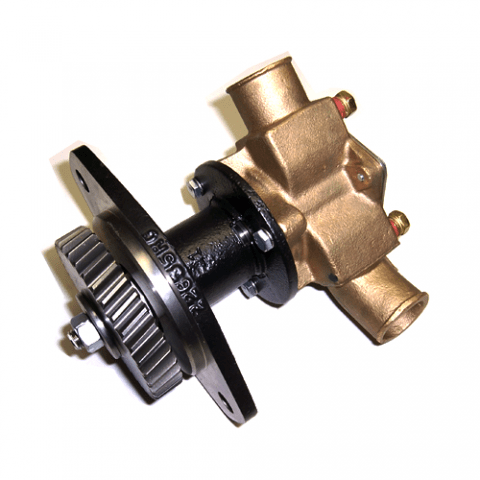
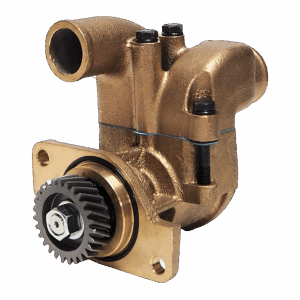
Seawater pumps are vital components in a marine engine’s cooling system. They draw seawater into the engine to absorb heat and expel it overboard, maintaining optimal operating temperatures. Regular maintenance keeps flow rates consistent, protects heat exchangers and aftercoolers, and helps prevent engine failures due to overheating or restricted circulation.
Key Maintenance Steps
1. Regular Inspection
Make visual checks part of your routine—before long passages and at seasonal intervals. Look for salt bloom, weeping seals, corrosion on the housing, and dried tracks from past leaks. Pay close attention to the impeller cavity, cover plate wear, seals, and bearings. Early detection of minor seepage or play in the shaft prevents costly shaft and housing damage later.
2. Impeller Replacement
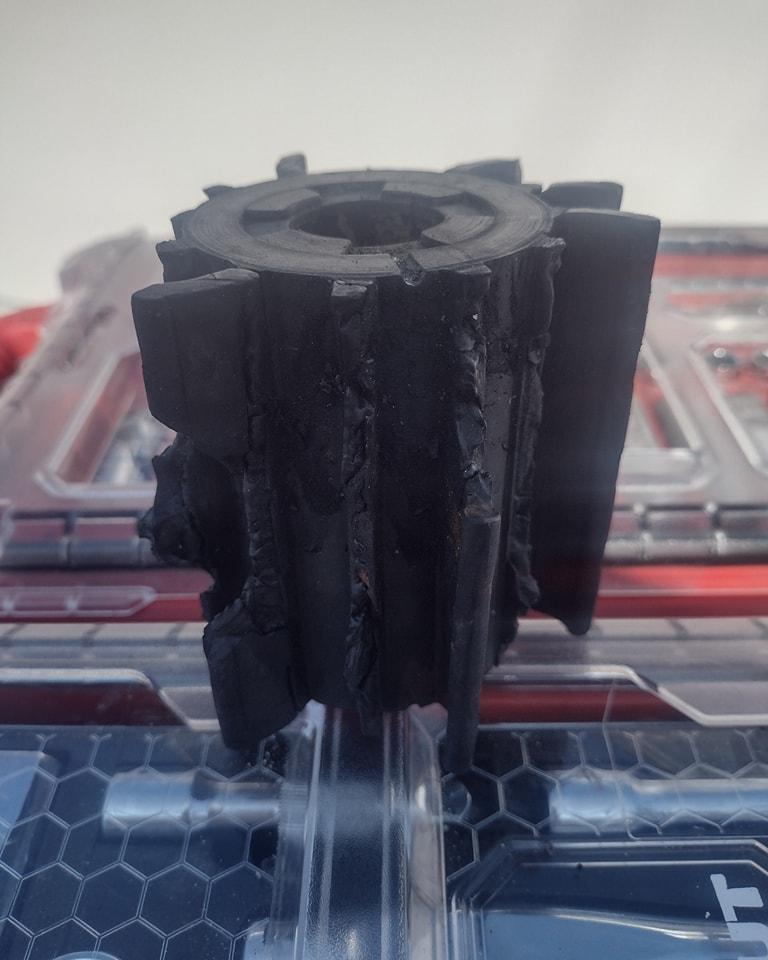
The flexible impeller is the pump’s heartbeat. Inspect blades for set (permanent bend), cracks, missing tips, or glazing. Manufacturers commonly recommend replacing the
impeller annually or ~100 engine hours—whichever comes first—especially for boats that sit between trips (impellers take a set). Use marine-grade parts and replace the cover plate gasket each time to maintain prime.
3. Seal and Bearing Check
Shaft seals and bearings are wear items. Any wobble at the pulley/hub, rust trails, or salt crust near the weep area suggests the seal is compromised. Replace seals and bearings proactively to protect the shaft and prevent seawater intrusion into the engine space. If you find a groove in the shaft where the seal rides, plan a repair before it escalates.
4. Cleaning and Lubrication
Rinse the pump and surrounding area with fresh water after trips to reduce salt crystallization. When laid up, a light protective film on hardware and fasteners can slow corrosion. Follow OEM guidance for any lubrication points—many seawater pumps are water-lubricated internally, so don’t over-lube where it isn’t specified.
5. Monitor Pump Performance
New noises, belt dust, vibration, or reduced discharge at the exhaust can indicate deteriorating flow. A rising normal operating temperature (even a few degrees) or gradual drop in raw-water stream volume are early clues to act on. Addressing symptoms early preserves heat-exchanger efficiency and keeps cylinder head temps stable.

Troubleshooting Common Issues
1. Pump Not Priming
If the pump won’t pull water, inspect for air leaks on the suction side (loose hose clamps, hardened hoses), confirm the strainer lid O-ring is seated, and ensure the intake is clear. Verify that the impeller isn’t missing blades and that the cover plate isn’t scored. Even small air leaks can defeat priming.
2. Overheating Engine
An overheating engine often points to a seawater circulation problem. Check impeller integrity, strainer blockage, and intake obstruction. Then examine hoses for collapse under suction and ensure the thermostat and heat exchanger are clean. Persistent hot running calls for a full raw-water path inspection.
3. Noisy Pump Operation
Squeal or grind usually means bearing wear, misaligned belt, or a dry/ damaged impeller. Inspect belt tension and condition; replace worn bearings and the impeller. A scored cover plate can also cause chatter and reduced flow—polish or replace as needed.
Conclusion
Staying ahead of seawater pump wear protects your entire cooling system. With consistent inspection, timely impeller swaps, and attention to seals, bearings, and flow, you’ll extend component life and keep operating temps right where they belong for dependable cruising.
For professional seawater pump inspections, rebuilds, and trip-prep service, the technicians at 805 Marine Mechanic deliver mobile, dockside support throughout Ventura, the Channel Islands, and Santa Barbara—so you can enjoy more time on the water with fewer surprises.
Troubleshooting Marine Seawater Pump Failure
- Check for Obstructions:
- Inspect the intake and scoop for marine growth or debris restricting flow.
- Verify the strainer basket and lid O-ring seal; clean thoroughly.
- Inspect the Impeller:
- Remove the cover and examine blades for cracks, set, missing tips, or glazing.
- Replace the impeller and gasket if any damage or aging is noted.
- Verify the Pump Belt:
- Confirm correct belt tension and alignment; look for fraying or glazing.
- Replace the belt if worn and re-check tension after a short run-in.
- Examine Seals and Gaskets:
- Look for salt crust or wet trails around the shaft and cover plate.
- Replace compromised seals/gaskets to restore pressure and prevent leaks.
- Check the Water Strainer:
- Clean basket and bowl; verify no hairline cracks in the lid.
- Replace damaged parts and lubricate O-rings with compatible grease.
- Inspect the Hoses:
- Check for soft spots, collapse under suction, cracking, or internal delamination.
- Replace any suspect hoses and double-clamp below the waterline.
- Electrical/Drive Checks (if applicable):
- Confirm drive pulleys are tight and keyed correctly; no slippage.
- Verify charging system voltage—low voltage can mask other issues.
- Monitor Water Flow:
- Observe the exhaust discharge stream—volume and pulse should be consistent.
- Eliminate suction-side air leaks that can cause cavitation and lost prime.
- Master Marine Diesel Troubleshooting Guide – 805 Marine Diesel Mechanic
Preventative Maintenance Tips
- Fresh-water rinse the pump area after outings; wipe away salt residue.
- Inspect and clean the seawater intake and strainer regularly.
- Schedule routine checks of the impeller, cover plate, seals, bearings, and belt.
- Keep a spare kit aboard (impeller, gasket, cover screws, belt, O-rings) for quick turnarounds.
- Log operating temps and note any trend upward—act before it becomes an overheat.
Benefits of Marine Seawater Pump Maintenance: Ensuring Optimal Performance and Longevity for Your Vessel’s Cooling System
Introduction
Consistent seawater pump maintenance directly improves cooling performance and overall engine health. The following sections summarize the core benefits you’ll realize when you stay proactive—especially important for Channel Islands crossings and warm-weather cruising along Ventura and Santa Barbara.
The Role of Seawater Pumps in Marine Engines
Essential Functions
- Circulates raw water through coolers and heat exchangers to carry away engine heat.
- Protects heads, manifolds, turbos/aftercoolers (as equipped) from damaging temperature spikes.
Impact on Vessel Performance
- Stable temps support optimal combustion and power delivery under load.
- Underperforming pumps cause elevated temps, reduced power, higher fuel burn, and can lead to failure if ignored.
Benefits of Regular Marine Seawater Pump Maintenance
Improved Cooling Efficiency
- Restores designed flow rates for reliable, even cooling across components.
- Minimizes clog risks in strainers, exchangers, and aftercooler cores.
Prevent Overheating
- Maintains target temperatures in varying sea states and seasonal conditions.
- Prevents head gasket issues, warped components, and costly downtime.
Enhanced Engine Performance
- Smoother running, better fuel efficiency, and longer service life.
- Confidence for longer routes—Ventura to Santa Cruz/Anacapa and beyond.
Cost-Effective Maintenance Strategies
Proactive Measures
- Routine inspections and freshwater rinses reduce corrosion and scaling.
- Timely part replacements (impeller, seals, belt, cover plate) avoid secondary damage.
Prevent Costly Repairs
- Early fixes prevent tow-ins and schedule disruptions.
- Preserves vessel value and keeps maintenance predictable.
Peace of Mind for Channel Islands, Ventura, and Santa Barbara Boating
Boat Maintenance Benefits
- Confident passages to popular island anchorages with reliable cooling.
- More time exploring, less time troubleshooting at the dock.
Ventura Marine Engines and Santa Barbara Vessel Care
- Locally tailored service plans matched to your hours, loads, and trip patterns.
- Mobile, on-site support from a trusted regional team—805 Marine Mechanic.