
Marine drivetrain solutions, shaft alignment, and flexible shaft couplings for diesel-powered vessels in Ventura, Oxnard, Channel Islands Harbor, and Santa Barbara.
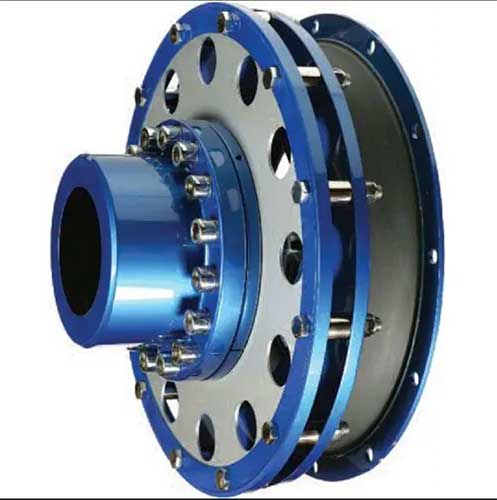
Drivetrain vibration, gearbox rattle, and misalignment are some of the most common comfort and reliability issues we see on diesel-powered boats in Ventura, Oxnard, Channel Islands Harbor, and Santa Barbara. Flexible shaft couplings, correct motor mounts, and a properly aligned shaft can dramatically reduce noise, extend component life, and protect your transmission from shock loads. At 805 Marine Diesel Mechanic, our trained technicians specialize in marine engine drivetrain solutions built around real-world operating conditions along the Santa Barbara Channel.
Flexible Shaft Couplings & Marine Drivetrain Solutions
805 Marine Diesel Mechanic supplies and installs both standard and customized coupling products using modern materials and proven engineering. Marine couplings are typically classified into rigid and flexible designs. For diesel-powered vessels in choppy coastal waters and tight harbors, flexible couplings are almost always the better choice for protecting transmissions, shafts, and mounts.
We work with a wide range of coupling types, sizes, and capacity ratings to match different engine/gear combinations, propeller loads, and hull configurations. The right flexible coupling, combined with accurate shaft alignment and quality motor mounts, provides easier installation, reduced maintenance, and more cost-effective operation over the life of the vessel.
Resilient Coupling Concepts
Many modern marine couplings use torsionally resilient elements—often “hytrel” or polyurethane—to absorb shock and dampen vibration. Designs like ATEX-style couplings employ two fully machined steel flanges connected by drive pins and flexible elements. When installed and aligned correctly, these elements soften torque spikes, reduce noise, and protect the driveline from misalignment and gear chatter.
Drive Saver Flexible Shaft Coupling
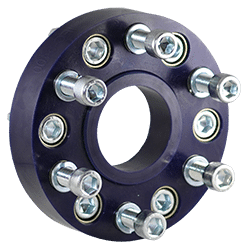
Our preferred solution for many pleasure craft and light commercial vessels is a drive saver–style flexible shaft coupling. This non-metallic barrier fits between the transmission output flange and propeller shaft, providing both mechanical protection and electrical isolation.
For vessels operating out of Channel Islands Harbor, Ventura Harbor, and Santa Barbara Harbor, 805 Marine Diesel Mechanic offers complete marine engine drivetrain solutions, including:
- Drive saver couplings for common gearboxes (Borg Warner, Twin Disc, ZF, Hurth, Allison, Volvo, Yanmar/Kanzaki, and more)
- Matched engine mounts and split couplings to suit your hull and engine package
- Transmission damper plates sized correctly for your torque and flywheel
- Alignment, shaft checks, and sea-trial verification
Drive saver flexible couplings help to:
- Reduce drivetrain vibration: The flexible element smooths torsional spikes, lowering noise and vibration in the cabin.
- Absorb shock loads: Thrust, torque spikes from gear shifts, and high-speed planing loads are partially absorbed by the coupling, protecting the gearbox.
- Act as a “circuit breaker”: In a severe strike (hidden log, line, rock), the drive saver is designed to fail before the transmission, preserving much more expensive components.
- Prevent electrolysis: The non-metallic layer acts as an electrical insulator, reducing stray current paths that can accelerate electrolytic corrosion.
Learn more about our full drivetrain solutions and mount work on our marine engine drivetrain solutions page.
Importance of Marine Shaft Alignment
Ensuring Optimal Marine Performance
Proper shaft alignment is critical to smooth, efficient propulsion. Even small misalignments can create increased vibration, higher bearing loads, seal wear, and premature drivetrain fatigue. When the shaft is out of alignment, your coupling works harder than it should, mounts are stressed, and the gearbox can experience uneven loads.
A correctly aligned shaft allows the power from your marine diesel engine to be transmitted cleanly to the propeller, improving fuel efficiency, reducing vibration, and lowering operating noise. In local conditions—where boats often run at mixed RPMs between Santa Barbara and the Channel Islands—good alignment is essential for long-term reliability and comfort.
Avoiding Costly Transmission Repairs
Misalignment is one of the quiet killers of marine gearboxes. Excess load on bearings and gears shows up as:
- Gear chatter or rattle at low RPM
- Oil contamination with metal particles
- Seal failures and leaks at the output flange
- Excess heat and shortened transmission life
By maintaining accurate alignment and pairing it with the right flexible shaft coupling, you reduce these risks dramatically. Our trained technicians use proper alignment tools and procedures, then verify under load when possible. This proactive approach protects your gearbox, saves on large repair bills, and keeps your vessel ready to go.
Transmission Damper Plates for Gearbox Rattle Control
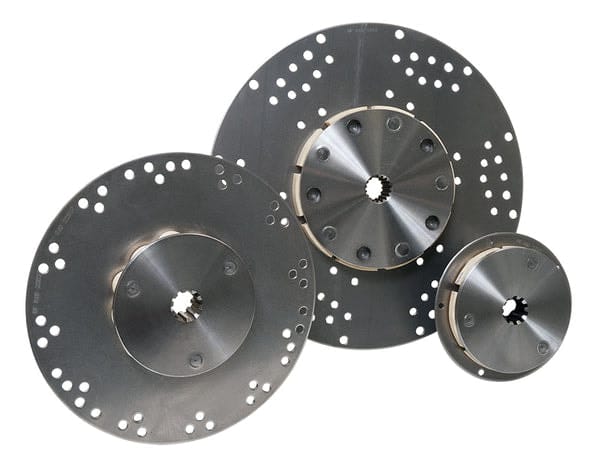
Many modern marine diesels use lightweight flywheels to improve throttle response and reduce weight. The tradeoff is increased gearbox rattle and gear chatter at low RPM. R&D Marine damper drive plates are designed to absorb this torsional irregularity so you can operate through the full RPM range—including extended low-RPM operation—without excessive noise.
Three common styles are used depending on how you operate your vessel:
- Linear damper plate: General-purpose plate with linear torque damping for typical cruising and mixed RPM use.
- Hammer Head damper: Two-stage damping plate with approximately 10° of deflection, ideal where low RPM motoring is common.
- High Deflection damper: Three-stage plate with up to ~33° of deflection for workboats or vessels experiencing noticeable gear noise at idle and low cruise.
All use molded polyurethane elements to absorb torque. A fail-safe metal backup ensures driveline function even if the flexible element is damaged by a severe shock load. In most cases, these plates install in the same space as a conventional metal damper, making them a logical upgrade during gearbox work or engine removal.
Flexible Shaft Couplings & Motor Mount Integration
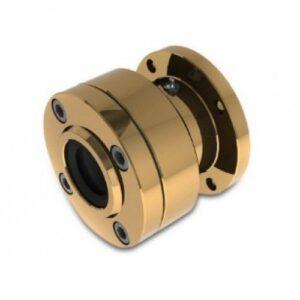
Flexible shaft couplings do their best work when paired with correct motor mounts. Worn or mismatched mounts will undermine even the best coupling upgrade. That’s why our drivetrain approach looks at the entire system: engine mounts, shaft, coupling, damper plate, and alignment.
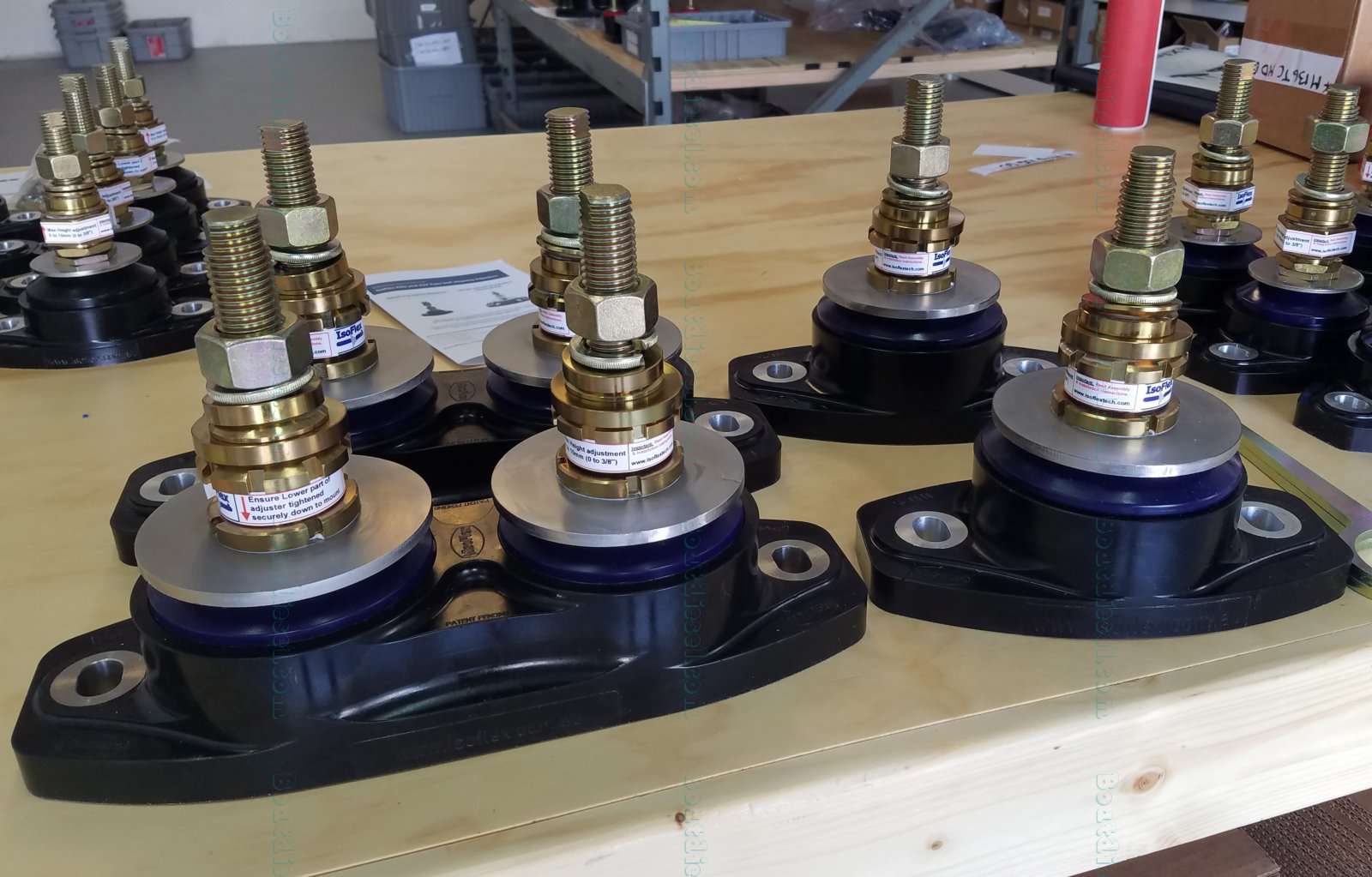
We supply and install quality marine engine mounts and flexible couplings for a wide range of gearboxes and engines, then fine-tune alignment and shaft position so everything works as a system.
Long-Term Benefits of Shaft Alignment & Coupling Services
- Reduced vibration, noise, and gear rattle throughout the RPM range
- Extended life for transmissions, bearings, seals, and mounts
- Improved comfort for crew and passengers, especially at low RPM
- Lower risk of catastrophic damage from underwater strikes
- Better protection against electrolysis and stray current issues
- Higher resale value with documented drivetrain upgrades
Investing once in shaft alignment and coupling services can protect your engine, gearbox, and props for years—and make every trip between Ventura and the Channel Islands noticeably smoother.
Trained Technicians, Proven Components & Documented Work
Our drivetrain work uses components from respected manufacturers and follows structured procedures:
- Survey of existing drivetrain and operating complaints
- Shaft alignment checks and face/runout measurements
- Selection of appropriate flexible couplings, damper plates, and mounts
- Professional installation and torque procedures
- Sea trial verification for vibration, noise, and gear behavior
- Photo documentation and a written summary of findings and upgrades
For deeper technical reference, many owners also review manufacturers like Geislinger marine drivetrain solutions, Marine Power USA, and general guidance from BoatUS or Yachting Magazine—but the hands-on work starts with a local, diesel-focused team.
Drivetrain, Coupling & Alignment Services in Ventura & Santa Barbara
805 Marine Diesel Mechanic provides mobile drivetrain and shaft services for diesel-powered vessels across:
- Ventura Harbor
- Oxnard & Channel Islands Harbor
- Santa Barbara Harbor
We frequently integrate shaft and coupling work into broader projects such as engine replacements, engine diagnostics, and complete diesel maintenance schedules, so your entire propulsion system is evaluated as a whole.
Schedule Shaft Alignment & Coupling Services
If you are noticing vibration, gear rattle, or noise—or if you’re planning an engine or gearbox upgrade—it’s the perfect time to evaluate your shaft alignment and flexible coupling options. Our trained technicians can design and install a drivetrain solution that matches your vessel, operating profile, and local conditions along the Santa Barbara Channel.
Marine Flexible Shaft Coupling & Alignment FAQ
What does a flexible shaft coupling actually do on a marine diesel drivetrain?
A flexible shaft coupling absorbs shock, reduces vibration, and compensates for minor misalignment between the transmission and shaft, protecting gears, bearings, seals, and mounts.
How do I know if my shaft needs alignment or coupling work?
Common signs include vibration at specific RPM ranges, gearbox rattle at idle, unusual noise under load, premature mount wear, and leaking shaft seals. A drivetrain inspection can pinpoint the cause.
Will a drive saver flexible coupling protect my transmission from strikes?
Drive saver–style couplings are designed to absorb extreme shock loads and, in severe cases, fail before the gearbox, reducing the chance of major transmission damage after hitting a log, line, or rock.
Do I need to upgrade my engine mounts when installing a new coupling?
Not always, but worn or undersized mounts can undermine coupling performance. We often inspect and, if needed, upgrade mounts during coupling and alignment work to treat the system as a whole.
Can you perform shaft alignment and coupling services at my slip?
Yes. We provide mobile shaft alignment, coupling installation, and drivetrain inspections at Santa Barbara Harbor, Ventura Harbor, and Oxnard/Channel Islands Harbor, subject to dock access and marina rules.
How often should shaft alignment be checked?
Alignment should be checked after any engine or mount work, after groundings or impacts, and periodically on working boats. For most pleasure craft, a check every few years or when symptoms appear is a good starting point.
One Response