
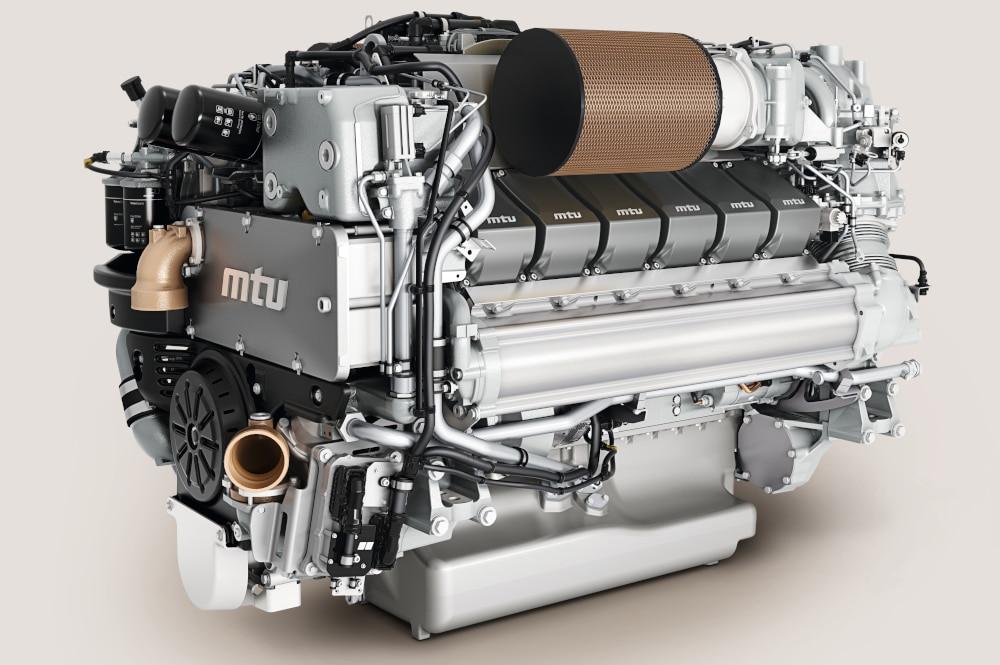
Rolls-Royce MTU 12V2000 Marine Engine Maintenance Schedule
Rolls-Royce MTU Marine Engine Maintenance Schedule for high-performance yachts powered by the MTU 12V2000 (M96 series). Performed by the trained technicians at 805 Marine Diesel Mechanic, serving Oxnard, Channel Islands Harbor, Ventura Harbor & Santa Barbara Harbor.
The latest MTU 12-cylinder Series 2000 M96 powerplants deliver a factory output increase from 1,432 kW to 1,472 kW—that’s 2,000+ horsepower of refined, responsive marine power. To keep that performance on tap, your engine needs a disciplined, OEM-aligned maintenance plan that considers both operating hours and local Central Coast conditions.
Why MTU Maintenance Matters for Central Coast Boaters
Running between Ventura, the Channel Islands, and Santa Barbara exposes engines to salt, heat, marine growth, and varied duty cycles. An interval-driven service plan avoids costly downtime, sustains fuel efficiency, protects cooling capacity, and preserves your resale value. 805 Marine Mechanic follows MTU’s schedule, uses OEM-spec parts and fluids, and documents each visit for a clean, transferable service history.
- Reliability offshore: Catch issues dockside before they become emergency tows.
- Peak performance: Clean air and fuel paths, correct belt tension, and healthy aftercoolers.
- Thermal control: Proper coolant chemistry, descaled heat exchangers, and verified seawater flow.
- Lower lifecycle cost: Planned service beats reactive repair—every time.
Rolls-Royce Marine Engine Maintenance Schedule
Daily
- Cooling System Coolant Level – Check.
- Engine Air Cleaner Service Indicator – Check
- Engine Oil Level – Check.
- Fuel System Water Separator – Drain.
- Marine Transmission Oil Level – Check.
Tip: Make these part of your pre-departure routine. Five minutes at the dock can prevent overheating, oil starvation, or fuel contamination issues offshore. Ask our techs to show your crew the correct inspection points.
250 Service Hours or 6 Months
- Repeat: Complete the listed daily checks first.
- Drive belts: Check the drive belts for tension and adjust if necessary.
- Electric: Check all electrical connections to see if they’re secure.
- Air cleaner: Check for any restrictions and correct if necessary.
- Zinc anodes: Check the zinc anodes and replace if necessary.
- Antifreeze: Check the antifreeze concentration percentage and correct it if necessary.
- Seawater Pump Seals: Inspect the seawater pump seals for leakage.
- Seawater Strainer: Clean out sea water strainer.
This interval focuses on system integrity: secure electricals, unrestricted intake air, belt tension, and corrosion control via zincs. We also validate coolant concentration and inspect pump seals—critical for maintaining stable temps at cruise.
500 Service Hours or Yearly
- Zinc Anodes – Replace.
- Seawater pump impeller – Replace.
- Seawater Pump Seals – Inspect
- Seawater System – Flush with Descale solution.
- Battery Electrolyte Level – Check.
- Belts – Check belt tensioner and drive belts and correct or replace them if necessary.
- Cooling System Supplemental Coolant Additive (SCA) – Test/Add.
- Engine Air Cleaner Element – Clean/Replace
- Engine Crankcase Breather – Clean
- Engine Oil Sample – Obtain
- Engine Oil and Filter – Change
- Fuel Inlet Screen – Clean
- Fuel System Primary Filter/Water Separator Element – Replace.
- Fuel System Secondary Filter – Replace
- Fuel Tank Water and Sediment – Drain from bottom.
- Hoses and Clamps – Inspect/Replace
- Seawater Strainer – Clean/Inspect
- Water Pump – Inspect.
- Reverse gear – Change oil and filter
- Thoroughly inspect all hydraulic hoses and fittings for signs of leaks, wear, cracks, or aging.
At ~500 hours, we complete a deep reliability sweep: renew anodes, refresh engine and gear oils/filters, service fuel filtration end-to-end, and descale the seawater path. Oil sampling can reveal early bearing or cylinder wear. We log baseline temps/pressures and belt tension values to track trends over time.
1000 Service Hours or 2 Years
- Aftercooler Core – Flush/Test.
- Cooling System Coolant (DEAC) – Change.
- Engine Protective Devices – Check.
- Magnetic Pickups – Clean/Inspect.
- Turbocharger – Inspect.
- Inspect exhaust hose and cooling water hoses. Replace as Needed.
- Engine Valve Lash – Inspect/Adjust.
- Fuel Injection Timing – Check.
This milestone restores thermodynamic efficiency and combustion precision. Aftercooler performance is verified under pressure/flow. We replace coolant, inspect turbochargers for shaft play and fouling, verify protective devices, and set valve lash and injection timing to spec—key to crisp response and clean burn.
Protect Your MTU Investment with Planned Maintenance
Following this schedule with a certified MTU/large-diesel specialist dramatically reduces risk, protects warranty and resale value, and keeps your yacht ready for Catalina runs and island overnights. Partner with 805 Marine Diesel Mechanic—your local expert for Ventura, Oxnard, Channel Islands Harbor & Santa Barbara.

Comprehensive Guide to MTU Marine Engine Maintenance Schedule
Introduction
Understanding MTU maintenance is essential for performance, reliability, and safety. The 12V2000 M96 is engineered for high output and fast response; keeping air, fuel, oil, and cooling systems in balance preserves that signature MTU feel—quiet, smooth, and strong.
This guide translates the schedule into decisions you can act on: what to check daily, what to renew seasonally, and what to rebuild or test at major milestones.
Importance of Regular Maintenance
Even small restrictions—like a partially clogged seawater strainer or tired impeller—add up to higher EGTs, reduced aftercooler effectiveness, and shortened component life. Regular service restores design operating margins and avoids cascading failures.
Benefits of MTU Marine Engine Maintenance
- Prolongs Engine Life: Fresh fluids, clean filters, and correct lash/timing reduce wear and keep bearing loads in check.
- Reduces Risk of Costly Repairs: Trend oil analysis and scheduled inspections catch issues before they escalate.
Impact on Engine Performance
- Enhances Operational Efficiency: Proper coolant chemistry and clean aftercoolers maintain charge-air density for efficient combustion.
- Ensures Dependable Output: Verified fuel delivery, turbo health, and protective devices give you predictable response when surf or current demands it.
Recommended Service Intervals
Adhering to MTU’s intervals is critical. Your actual program may adjust for high-salinity slips, extended idle, or frequent short trips. We’ll tailor a plan to your duty cycle.
Daily Checks and Routine Inspections
- Visual leak scan: Oil, fuel, coolant—look for sheen or drips.
- Fluids & separators: Confirm levels and drain water from fuel pre-filters.
Weekly & Monthly
- Belts/hoses: Inspect tensioners, look for dusting, glazing, or cracks.
- Diagnostics: Review fault logs and confirm alarm functions.
Annual & Bi-Annual
- Filters & oils: Replace per 500-hour/annual guidance (engine and gear).
- Professional inspections: Aftercooler flushing/testing, valve lash, injector timing (1,000-hour/2-year).
Essential Maintenance Tasks
MTU longevity depends on clean fluids, correct clearances, and unimpaired heat exchange.
Key Component Inspections
- Cooling system: Descale seawater side, confirm flow and temperatures at cruise; change DEAC coolant per schedule.
- Exhaust & turbo: Inspect for leaks, soot patterns, and turbo shaft play; correct before backpressure rises.
Critical Component Replacements
- Impellers & anodes: Replace on schedule—low-cost insurance for expensive cores and heat exchangers.
- Filters (air/fuel/oil): Renew with OEM-spec elements for correct restriction and filtration ratings.
Tips for Efficient Marine Engine Upkeep
Combine OEM intervals with smart habits for best results.
Preventive Strategies
- Set a calendar + hours plan: Not all hours are equal; trolling/idle may shorten certain intervals.
- Keep a logbook: Record hours, fluids used, pressures/temps, and any alarms. Trends tell the story.
Expert Practices
- Use OEM parts & fluids: MTU systems are engineered as a package; substitutes can raise restriction or alter chemistry.
- Call pros for major work: Aftercooler service, valve lash, and timing require trained hands and proper tooling.
Conclusion
With a clear schedule and a local partner who knows your waters, your MTU 12V2000 will deliver quiet, confident power season after season. 805 Marine Mechanic brings veteran-owned discipline, OEM procedures, and dockside convenience to every job.
Schedule MTU Service with 805 Marine Mechanic
From daily checks and 250-hour inspections to 500-hour filtration/fluids and 1,000-hour aftercooler, turbo, and valve lash service—our certified technicians keep your Rolls-Royce MTU 12V2000 performing at its peak across Ventura, Oxnard, Channel Islands Harbor & Santa Barbara.
Veteran-owned • OEM-aligned • Dockside service