
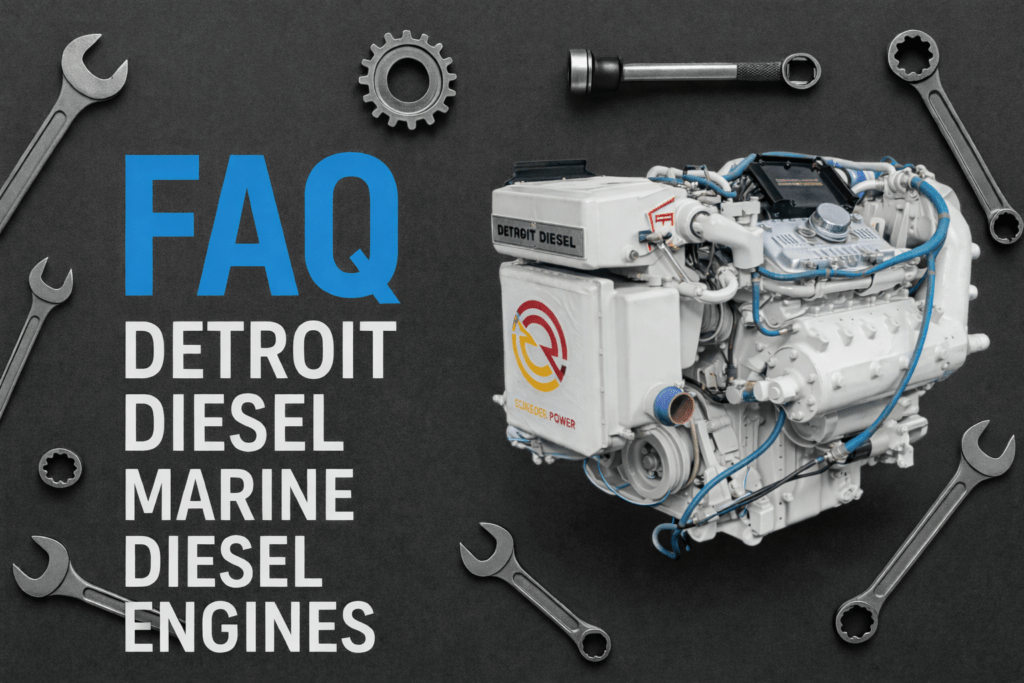
If you run a classic Detroit Diesel (like a 6-71, 8V71, or 6V92), you already know the truth: they’re tough, they’re loud, and they’ll keep working—as long as the cooling, fuel, and air systems stay healthy. This FAQ is built to help boat owners get clear answers fast, plus it’s structured so search engines and AI can understand it.
We serve Channel Islands Harbor, Ventura, Oxnard, and Santa Barbara with diagnostics, preventive maintenance, and repairs for Detroit Diesel marine engines.
Schedule Detroit Diesel Service
Common Detroit Diesel Problems We See on the Coast
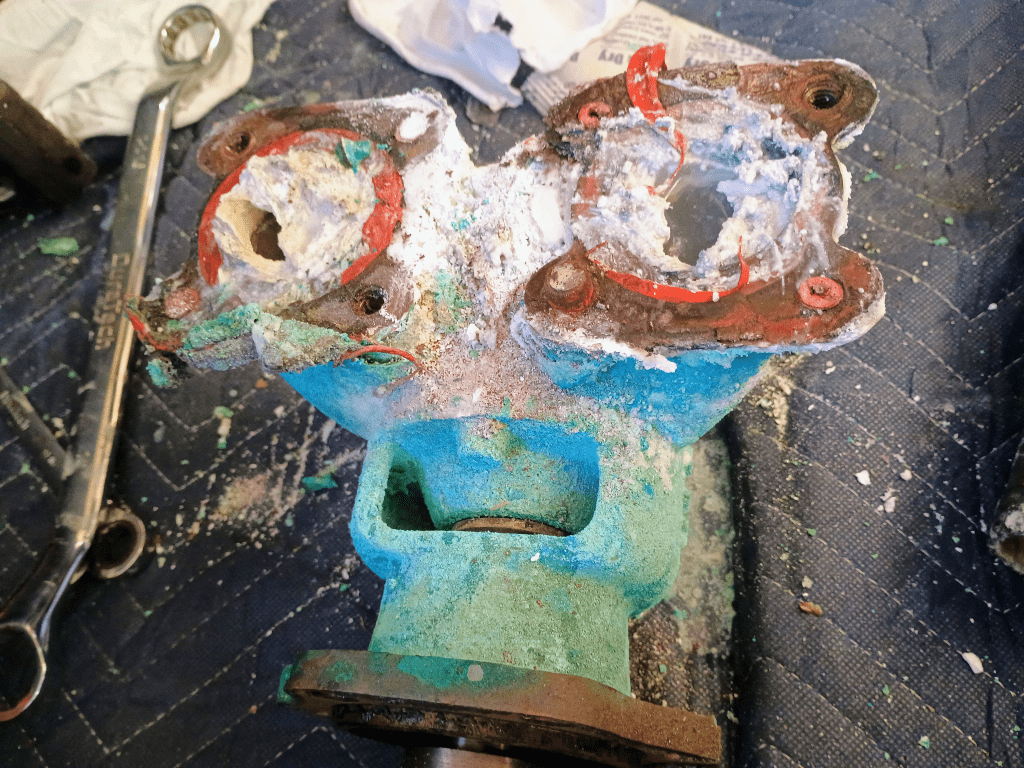
Southern California boating is hard on older Detroits—mostly because of saltwater corrosion, restricted cooling flow, and fuel contamination. Also, unlike colder climates, winterization isn’t usually necessary here—but routine fresh water flushing and corrosion prevention absolutely are.
Detroit Diesel Service Areas
- Channel Islands Harbor
- Ventura
- Oxnard
- Santa Barbara
Detroit Diesel FAQ
1) What Detroit Diesel marine engines do you service?
We service common Detroit Diesel marine engines and support systems—especially classic platforms like 6-71, 8V71, 6V92, and other legacy Detroit installations, depending on parts availability and your vessel setup.
2) What are the most common reasons a Detroit Diesel overheats?
The top causes are restricted raw-water flow (clogged strainers, worn impellers, collapsed hoses), scaled heat exchangers, corroded seawater pump housings, and blocked aftercoolers (where equipped).
3) Do I need winterization for a Detroit Diesel in Southern California?
Typically, no—our climate usually doesn’t require freeze protection. But you do need consistent cooling system maintenance, corrosion control, and regular fresh water flushing.
4) How often should I replace a seawater pump impeller?
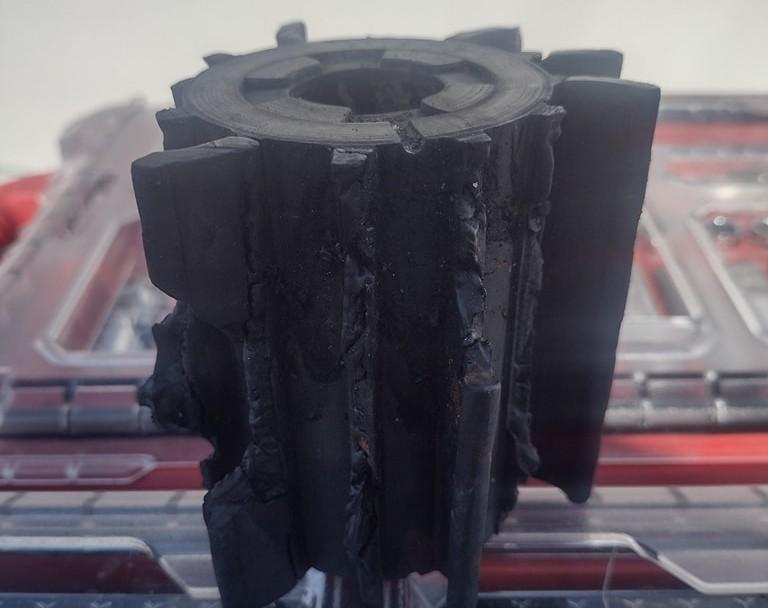
A safe interval is annually or every ~100–200 hours (depending on use, temperature, and intake conditions). If overheating risk is high, replace sooner.
5) What does “two-stroke Detroit Diesel” mean for maintenance?
Two-stroke Detroits depend heavily on clean air flow and correct fueling. Airbox health, blower condition, and cooling performance matter a lot. Small restrictions can show up as smoke, heat, or power loss.
6) Why is my Detroit Diesel smoking black?
Common causes include restricted air intake, dirty air filters, fueling issues, overloaded props, injector problems, or boost/aftercooling issues (if turbocharged).
7) Why is my Detroit Diesel smoking white?
White smoke is often unburned fuel from cold cylinders, weak compression, injector issues, or timing/fueling problems. It can also appear during hard starts.
8) Why is my Detroit Diesel smoking blue?
Blue smoke typically indicates oil consumption—possible causes include worn rings, valve guides/seals, turbo oil seal issues (if turbocharged), or crankcase ventilation concerns.
9) What’s the first step when a Detroit Diesel runs hot?
Verify raw-water flow and intake health first: strainers, impeller, hoses, and seawater pump condition. Cooling restrictions are more common than “engine internal” problems.
10) Can you pressure test my cooling system?
Yes. We can pressure test and inspect the freshwater side (closed loop), identify leaks, and verify cap/pressure integrity where applicable.
11) What is “descaling” and why does it matter?
Descaling removes mineral/salt buildup inside heat exchangers and cooling passages that restrict flow and heat transfer. On older Detroits, it can be the difference between stable temps and chronic overheating.
12) How often should Detroit Diesel heat exchangers be serviced?
Many boats benefit from inspection/cleaning every 1–3 seasons depending on hours, intake conditions, and temperature history—especially if you’ve had overheating events.
13) What are signs my seawater pump housing is failing?
Corrosion, pitting, leaking weep holes, repeated impeller failures, or chronic overheating can point to housing wear or internal scoring.
14) Can you service fuel systems on Detroit Diesels?
Yes—diagnostics for hard starting, surging, power loss, smoke issues, and contamination problems. Fuel cleanliness is huge for older mechanical systems.
15) Do you recommend adding a Racor filter/separator?
In most cases, yes. A quality filter/separator helps prevent water and debris from reaching injectors and pumps. We can inspect your current filtration and recommend improvements.
16) What causes a Detroit Diesel to surge or “hunt” at idle?
Possible causes include fuel restriction, air in the fuel system, governor/fueling adjustments, injector issues, or inconsistent fuel supply.
17) My Detroit Diesel won’t reach RPM—what’s likely?
Common causes include restricted fuel flow, dirty air intake, turbo/boost issues (if equipped), cooling limitations causing derate, or prop/drag issues.
18) Can you help with long-crank or hard-start issues?
Yes. We diagnose starting systems (including battery health and cables), fuel delivery, injector performance, and compression-related symptoms.
19) What’s the difference between preventive maintenance and a “repair” visit?
Preventive maintenance focuses on preventing failures (cooling, filtration, belts, hoses, fluids). Repair visits address a specific fault like overheating, leaks, smoke, or poor performance.
20) Do you work on turbocharged Detroit Diesels?
Yes—where installed and accessible. We inspect boost plumbing, clamps, air leaks, aftercooling performance (if equipped), and related heat issues.
21) What’s an airbox drain and why does it matter?
Many Detroits rely on airbox drains to remove oil/fuel residue. If drains are clogged or neglected, buildup can create mess, smoke, or performance issues.
22) Do you service aftercoolers/intercoolers?
Where equipped, yes. Aftercooler fouling can raise intake temps and increase smoke/EGTs, and it can contribute to reduced power and reliability.
23) What maintenance matters most for Detroit Diesels in saltwater?
Cooling system health, zinc/anode management (where applicable), regular flushing, hose integrity, and corrosion control around seawater components.
24) Can you inspect my exhaust mixing elbow / exhaust system?
Yes. Exhaust restriction can raise temps, reduce power, and create smoke issues. We check for corrosion, leaks, and flow limitations.
25) What’s the best way to prevent overheating on a Detroit Diesel?
Keep raw-water flow strong (clean strainers, fresh impellers, good hoses), keep heat exchangers clean, and address corrosion early—before it becomes a failure.
26) How do you troubleshoot an overheating Detroit Diesel?
We verify temperatures, check raw-water flow and pump condition, inspect heat exchanger condition, confirm closed-loop coolant health, and look for restriction points or leaks.
27) Do you service gear coolers / oil coolers?
Yes. Coolers can foul internally and restrict flow—leading to higher temperatures and accelerated wear. We inspect and service as needed.
28) Can you help if my engine has coolant loss but no obvious leak?
Yes—pressure testing and component inspection can identify slow leaks, cap/pressure problems, and hidden seep points.
29) How often should I change oil on a Detroit Diesel?
Many owners follow seasonal changes or hour-based intervals. The best interval depends on hours, load profile, and oil condition—oil analysis can help confirm the right schedule.
30) Can you do pre-purchase inspections for Detroit Diesel boats?
Yes. We inspect for cooling system condition, leaks, corrosion, smoke symptoms, maintenance red flags, and general reliability concerns.

31) What are early warning signs of cooling system failure?
Rising temps at cruise, temp fluctuations, weak discharge flow, repeated impeller damage, corrosion at the pump/hoses, or “mystery” overheating after long runs.
32) Can you service older Detroit Diesel parts if they’re discontinued?
We can often support legacy engines through inspection, rebuildable components, and smart maintenance planning. Availability depends on your exact model and installation.
33) Should I flush my Detroit Diesel after every trip?
If your setup supports flushing, it’s a great habit in saltwater. It helps reduce salt buildup and corrosion inside the raw-water circuit. See our fresh water flushing guide.
34) Why do seawater pumps fail more often on older boats?
Age + corrosion + debris ingestion + heat cycles. Even if the engine is strong, seawater components are consumables in saltwater.
35) Can a bad impeller cause engine damage?
Yes. Overheating can warp components, shorten gasket life, and create cascading failures. Impellers are cheap compared to overheating repairs.
36) What’s the best way to plan maintenance before a Channel Islands trip?
Check temps at cruise, verify raw-water discharge strength, confirm you have a recent impeller, and address any leaks or belt issues before heading out.
37) Do you work on other diesel brands too?
Yes. If you also operate other engines, see our pages for Perkins and Yanmar.
38) What should I bring up when I call for service?
Engine model, symptoms (temp, smoke color, rpm), recent work performed, hours since last service, and where the boat is located (Ventura, Oxnard, Channel Islands, or Santa Barbara).
39) What are good resources for boating maintenance best practices?
We recommend safety and maintenance reading from BoatUS and Yachting Magazine, plus manufacturer guidance where available.
40) How do I schedule Detroit Diesel service with 805 Marine Mechanic?
Use our contact form and include your engine model, boat location, and symptoms. We’ll reply with next steps.
Book Detroit Diesel Diagnostics
Helpful Links
- Fresh Water Flushing
- Perkins Service
- Yanmar Service
- Contact 805 Marine Mechanic
- BoatUS
- Yachting Magazine
- Detroit Diesel
- Racor Filtration