
How to Master Cummins QSM11 Marine Engine Cooling System Maintenance
Keep your Cummins QSM11—and other Cummins marine diesels—running cool and efficient in Ventura, the Channel Islands, and Santa Barbara. This guide from 805 Marine Mechanic (your local inboard marine diesel specialists) explains cooling system components, fresh‑water flushing, service intervals, and troubleshooting so you can cruise with confidence.
Local diesel expertise for Ventura, Channel Islands & Santa Barbara
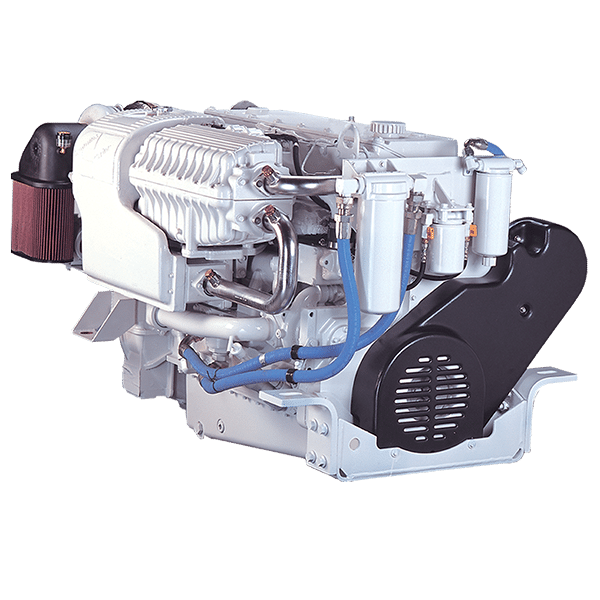
Cummins marine engine cooling system maintenance is best handled by trained technicians who work in your waters every day. At 805 Marine Mechanic, we service vessels in Channel Islands Marina, Ventura Harbor, and Santa Barbara Harbor. For this maintenance walk‑through we reference a Cummins QSM11 with a low‑profile, heat‑exchanger configuration and closed crankcase ventilation system. For a primer on marine Cooling System layouts, this primer is a solid overview.

Fresh Water Flushing System
The easiest way to reduce corrosion, scale, and growth in the raw‑water side is to flush with fresh water after every use. At 805 Marine Mechanic we engineered a purpose‑built Fresh water flushing system and have installed it on vessels of all sizes with excellent results. It’s fast, reliable, and designed for everyday dockside use. You can see photos and examples of our installs on our Facebook page: Marine Diesel Engine Salt… – Santa Barbara Marine Diesel Mechanic | Facebook.
On one recent project we set up a single quick‑connect where dock pressure was sufficient to flush two main engines and a generator simultaneously. Every boat is different, but the goal is the same: make flushing painless so you actually do it.
How the Cummins marine cooling system works
Most Cummins marine diesels run one of two approaches:
- Raw‑water cooling: seawater flows through the engine—simple, but more corrosion‑prone.
- Closed cooling (heat exchanger): engine coolant recirculates in the block while seawater cools it via a heat exchanger—preferred for longevity.
Key components at a glance
- Raw‑water pump draws seawater aboard.
- Seawater strainer filters debris before anything expensive sees it.
- Heat exchanger transfers heat from coolant to seawater.
- Coolant (circulation) pump moves coolant through block and HX.
- Thermostats regulate operating temperature.
- Coolant reservoir allows expansion and recovery.
Service intervals we follow on Cummins
Cummins guidance and field experience align well for coastal Southern California duty cycles:
- Heat Exchanger: service every 1,500 hours or yearly (inspection/clean as needed). Reference: heat‑exchanger & pump overview.
- Aftercooler (intercooler): service at 1,500 hours or every 3 years, whichever comes first.
- Transmission & engine oil coolers: can be flushed annually during tune‑up using a descaling solution.
We frequently use Barnacle Buster with a Sea Flush kit to descale the raw‑water side safely. See this 5‑minute how‑to: How Sea Flush and Barnacle Buster Can Clean Heat Exchangers, Oil Coolers, and Exhaust Components – YouTube.

Monthly checks & routine upkeep
Quick monthly checklist
- Coolant level: verify at the reservoir; top with Cummins‑approved coolant mix as needed.
- Hoses & clamps: look for weeping, soft spots, rusted clamps; replace at first sign of deterioration.
- Heat exchanger: inspect for external leaks and salt crust; schedule cleaning if temps creep up.
- Raw‑water strainer: clean the basket; check lid gasket and seating.
Annual / 250‑hour items
- Replace impeller in the raw‑water pump (sooner if heat spikes or low flow).
- Flush raw‑water circuit with approved descaler; neutralize and rinse.
- Pressure‑test heat exchanger after cleaning; re‑seal end caps.
- Coolant replacement: drain, flush, and refill per Cummins spec every 1–2 years.
Troubleshooting overheating & leaks
Overheating — early signs
- Temperature gauge creeping above normal cruise range.
- Coolant loss without visible drips.
- Reduced raw‑water discharge at the exhaust.
Immediate actions
- Reduce RPM to lower heat load.
- Verify raw‑water flow and strainer blockage.
- Shut down if temperature continues to rise.
Leak detection & fixes
- Look for pink/green/blue staining around hose ends and cooler cores.
- Pressure‑test the closed loop to isolate slow leaks.
- Replace aged hoses proactively; re‑torque clamps after first heat cycle.
Regional considerations for Ventura, Channel Islands & Santa Barbara
Ventura
Surf, kelp, and silt can clog intakes. Inspect strainers after bar crossings and windy days. Off‑season swells stir up debris—flush religiously.
Channel Islands
Expect variable temps and strong currents. Long idle times on the hook encourage growth; a fresh‑water flush after every trip pays off.
Santa Barbara
Harbor eelgrass and fine sediment demand vigilant strainer checks. Schedule cooler service before heat waves when seawater temps rise.
Pro tip
Keep a log: date, engine hours, strainer condition, coolant top‑offs, and any temp anomalies. The pattern tells the story.
Ready for professional Cummins cooling system service?
As the Central Coast’s inboard diesel specialists, 805 Marine Mechanic keeps Cummins QSM11, QSM/QSB series, and other inboard marine diesels in peak condition. We service Channel Islands, Ventura, and Santa Barbara harbors—and we’ll come to your slip.
Resources referenced in this guide
- Cooling System – Overview of marine cooling configurations.
- Heat exchanger & pump basics – Parts and maintenance considerations.
- (2): Marine Diesel Engine Salt… – Santa Barbara Marine Diesel Mechanic | Facebook
- How Sea Flush and Barnacle Buster Can Clean Heat Exchangers, Oil Coolers, and Exhaust Components – YouTube
Cummins Cooling System FAQ
How often should I flush the raw‑water side?
After every salt‑water outing. Fresh‑water flushing slows corrosion and growth dramatically, especially in local harbors.
What coolant should I use in a QSM11?
Use a Cummins‑approved coolant and mix per spec. Avoid mixing types; if uncertain, drain, flush, and refill with fresh approved coolant.
When do I replace the raw‑water impeller?
Annually or at the first sign of reduced flow/overheating. Always carry a spare and the tools to change it dockside.
Do I need to remove the heat exchanger to clean it?
Not always. In‑place descaling works well for light fouling. For heavy scale or suspected tube leaks, remove, clean, and pressure‑test.
Do you service gasoline or outboard engines?
No. 805 Marine Mechanic specializes in inboard marine diesel engines only.