
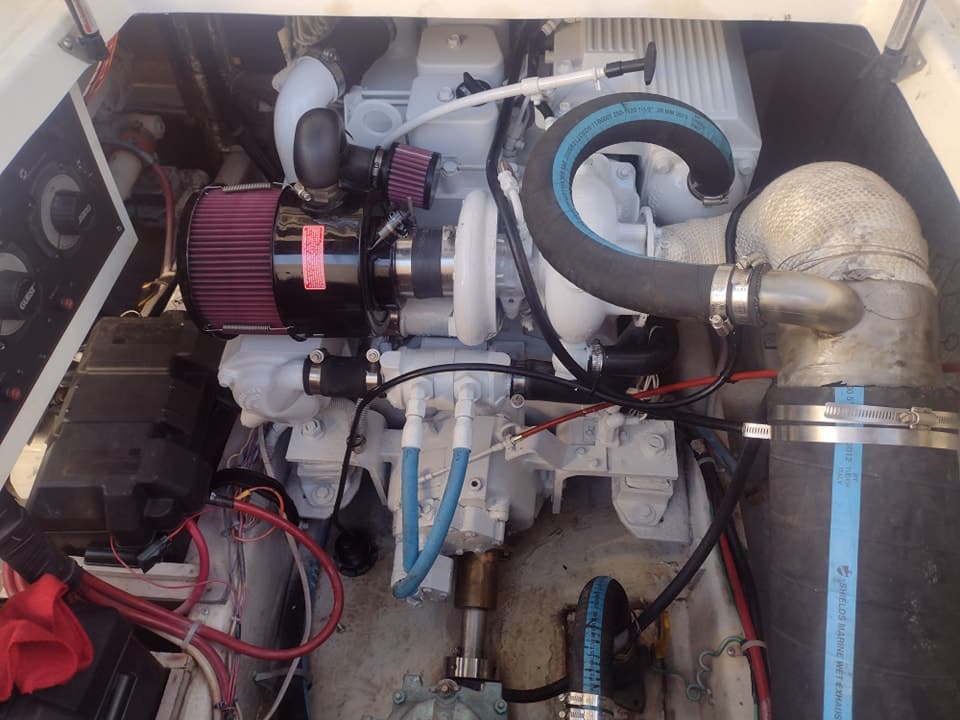
Cummins Marine Diesel Engine Maintenance & Repair: The Ultimate Guide
From routine service to advanced repairs, keep your Cummins marine diesel reliable and efficient in Ventura, the Channel Islands, and Santa Barbara. This expert guide from 805 Marine Mechanic—the Central Coast specialists in inboard marine diesel—covers inspections, fluids, fuel filtration, cooling systems, diagnostics, and when to call the pros.
Why proactive diesel maintenance matters
Regular maintenance prevents breakdowns, protects your investment, and extends engine life. In our coastal waters—Ventura Harbor, Channel Islands Marina, and Santa Barbara Harbor—salt, silt, kelp, and temperature swings challenge cooling, filtration, and charging systems. With the right schedule and parts, your Cummins will deliver safe, economical power season after season.
Routine maintenance schedule (owner checklist)
Before every trip
- Visual inspection: look for leaks, corrosion, frayed belts, and loose clamps.
- Fluids: verify engine oil, coolant, and fuel levels; top up as needed.
- Start-up check: listen for unusual noises/vibration; confirm charging voltage and stable idle.
Monthly
- Inspect hoses & clamps for seeping and softness.
- Open and clean the raw-water strainer.
- Load-test and clean terminals on the battery bank.
| System | Interval | Owner Tasks |
|---|---|---|
| Engine oil & filter | 100–250 hours or per Cummins spec | Warm engine, drain, replace Cummins-approved filter, refill, check for leaks. |
| Fuel filtration | 200–300 hours | Replace primary & secondary filters, bleed air, inspect lines for wear/leaks. |
| Cooling (closed loop) | Annually inspect; replace coolant every 1–2 years | Check level/condition; drain, flush, and refill to spec. |
| Raw-water system | Annually or sooner if flow drops | Service impeller; clean strainer; check pump housing & hoses. |
| Air intake & exhaust | Annually | Clean/replace air filters; inspect turbo and exhaust for leaks/corrosion. |
| Battery system | Monthly | Clean terminals; verify charge; perform load test; replace weak batteries. |
Fuel system care: clean fuel, happy Cummins
Water and debris are the enemies of precision injectors. Keep filtration first-rate and fuel fresh:
- Upgrade to a high-capacity primary filter/water separator—see our Marine Fuel Filtration System Upgrade.
- Replace secondary filters per hours or if you see power loss/smoke.
- Periodically polish fuel and treat with biocide if the boat sits.
- Inspect all fuel hoses for chafe, cracking, and weeping; replace at the first sign of degradation.
Cooling system: corrosion control & consistent temps
Maintain both sides of the system:
- Closed loop: monitor coolant level/quality; flush and refill every 1–2 years; pressure-test after service.
- Raw-water side: clean the strainer, inspect the pump housing, and replace the impeller annually or sooner if temps rise or flow drops.
- Heat exchanger & coolers: inspect for salt crust and tube fouling; descale and pressure-test during annual service.
Air intake & exhaust: airflow in, exhaust out
- Air filters: clean/replace as needed to maintain proper airflow.
- Turbocharger: check for shaft play and oil residue; clean compressor/turbine wheels as required.
- Exhaust: inspect for leaks, corrosion, and secure connections; remember exhaust leaks are both performance and safety issues.
Advanced maintenance & repairs (pro shop recommended)
Valve adjustment
Every 1,000–2,000 hours or per Cummins manual. Correct clearances protect valvetrain components and maintain power/economy.
Injector service
At 1,000–2,000 hours or as diagnostics dictate: pop-test, clean, or replace; verify injector timing for optimal atomization.
Turbocharger service
Inspect and clean wheels; measure shaft play; overhaul/replace if excessive wear exists to avoid catastrophic failure offshore.
Transmission service
Annually or every 500–1,000 hours: check level/condition; change fluid; watch for contamination or metallic sheen.
805 Marine Mechanic is diesel-only—we do not service gasoline or outboard engines. Our mobile inboard diesel techs come to Channel Islands, Ventura, and Santa Barbara.
Diagnostics & early warning signs
Symptoms to watch
- Excessive smoke: white (coolant), black (air/fuel), blue (oil).
- Loss of power or high fuel burn.
- Overheating or temperature creep at cruise.
- Hard starting or no-start events.
- Low oil pressure at idle or cruise.
- Unusual vibration/noise suggesting alignment or internal wear.
First-response checks
- Verify coolant and oil levels; look for external leaks.
- Open and clear the raw-water strainer; check impeller.
- Confirm battery voltage and clean grounds.
- Prime the fuel system and check for air at filter changes.
- Scan fault codes and log live data when available.
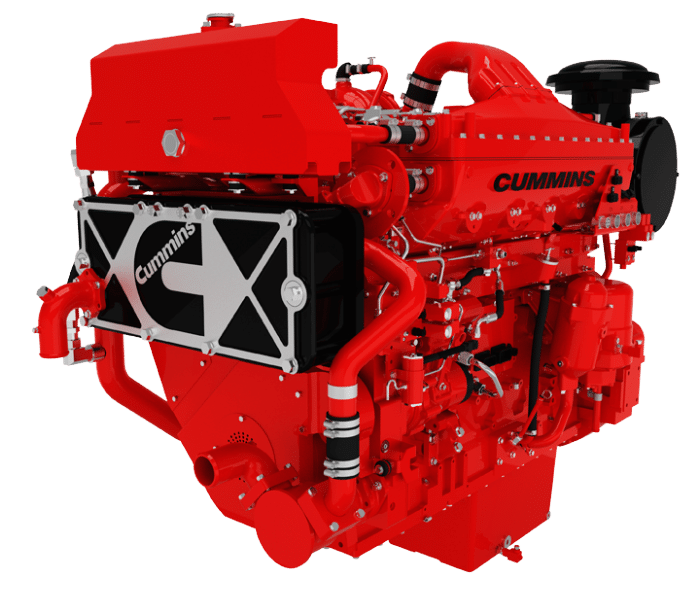
Preventive maintenance for long-term reliability
Beyond fluids and filters, reliability hinges on attention to alignment, mounts, exhaust, and electronics:
- Shaft alignment: check periodically; misalignment causes vibration, seal wear, and fuel waste.
- Engine mounts: inspect for compression set and corrosion; re-torque mount hardware after haul-outs.
- Exhaust system: monitor for leaks and corrosion to protect performance and crew safety.
- ECM & sensors: schedule Cummins diagnostics to identify developing issues before they strand you.
- Genuine Cummins parts: insist on OEM filters, gaskets, belts, injectors, and turbo components for proper fit and durability.
Local tips: Ventura, Channel Islands & Santa Barbara
Ventura
Bar crossings and windy afternoons stir silt and eelgrass. Clean the strainer after rough days; watch temps on long uphill runs.
Channel Islands
Expect long idle times on the hook and cool, moving water. Flush raw-water circuits after every trip to slow growth.
Santa Barbara
Eelgrass and fine sediment demand frequent strainer checks. Consider pre‑summer cooler service as seawater temps rise.
Pro tip
Maintain a maintenance log: hours, service items, filter dates, coolant changes, and any temp/pressure anomalies.
Ready to schedule Cummins diesel service?
As the Central Coast’s inboard diesel specialists, 805 Marine Mechanic keeps Cummins 6BT, QSM/QSB/QSX series and other inboard marine diesels running at their best. We come to your slip in Channel Islands, Ventura, and Santa Barbara.
Cummins Maintenance & Repair – FAQ
How often should I change oil on a Cummins marine diesel?
Every 100–250 hours or per model-specific Cummins guidance. Severe duty (short hops, idling) may require shorter intervals.
What fuel filters should I replace—and how often?
Replace both primary and secondary filters every 200–300 hours or at the first sign of power loss or smoke.
When should I service injectors, valves, and the turbo?
Typically at 1,000–2,000 hours, guided by diagnostics and performance trends.
Do you work on gasoline or outboard engines?
No. 805 Marine Mechanic specializes in inboard marine diesel engines only.
Do you service Ventura Harbor, Channel Islands Marina, and Santa Barbara Harbor?
Yes—we are mobile and cover all three harbors. We come to your slip.