

Marine engine painting is one of the most overlooked upgrades in yacht and engine-room maintenance. A professionally refinished engine room not only improves appearance, but also helps protect metal surfaces from corrosion, improves visibility for inspections, and makes future maintenance significantly easier.
805 Marine Diesel Mechanic provides marine engine painting and engine-room refinishing services throughout Ventura, Channel Islands Harbor, Oxnard, and Santa Barbara for inboard diesel-powered yachts, sportfishing boats, trawlers, and commercial vessels.
Whether the goal is restoring an aging engine room, improving resale value, controlling corrosion, or combining cosmetic refinishing with diesel maintenance, professional prep and marine-grade coatings make a major difference in long-term durability and serviceability.
If your engine room already shows signs of leaks, corrosion, overheating residue, or poor maintenance access, begin with the Master Marine Diesel Troubleshooting Guide before cosmetic work begins.
Request an Engine Room Paint Quote
Why Marine Engine Painting Matters
Engine rooms operate in extremely harsh environments. Heat cycles, humidity, salt exposure, vibration, oil residue, and limited ventilation all contribute to corrosion and surface deterioration over time.
A clean and professionally refinished engine room helps improve both maintenance visibility and long-term protection. Light-colored marine coatings reflect light better, making it easier to identify leaks, worn hoses, coolant residue, loose clamps, fuel seepage, and vibration damage during inspections.
Well-maintained engine rooms also support vessel value. Buyers and surveyors often judge overall mechanical care based on engine-room cleanliness and organization. A freshly refinished engine room creates a strong impression while making ongoing service easier.
Marine Engine Painting for Diesel-Powered Vessels
Marine diesel engine rooms require specialized prep and coating procedures because of heat, vibration, and exposure to fuel and oil contamination. Simply painting over existing residue or corrosion usually leads to adhesion failure and poor durability.
Professional marine engine painting typically includes:
- Degreasing and cleaning
- Corrosion treatment
- Surface preparation and sanding
- Masking wiring and sensitive components
- Primer application
- Marine-grade topcoat application
- Touch-up and final inspection
Engine-room refinishing is often combined with broader diesel maintenance projects to improve access while systems are already exposed.
Benefits of Refinishing a Marine Engine Room
Marine engine painting offers more than cosmetic improvements. A properly refinished engine room can improve serviceability and long-term reliability throughout the vessel.
Key benefits include:
- Improved corrosion protection
- Better engine-room lighting and visibility
- Easier leak detection
- Simplified cleaning and maintenance
- Improved resale presentation
- Better organization and access
- Protection of trays, brackets, mounts, and stringers
Bright, clean engine rooms also make routine inspections significantly easier during offshore trips and long cruising periods.
Common Engine Room Issues Found Before Painting
Before any coating work begins, the engine room should be inspected carefully for underlying mechanical or structural issues. Paint should never be used to hide active leaks or neglected maintenance.
Common problems identified during engine-room prep include:
- Oil leaks
- Fuel seepage
- Cooling-system residue
- Exhaust soot buildup
- Loose hose clamps
- Corroded wiring supports
- Rust around mounts and brackets
- Standing bilge contamination
Cooling-system problems should always be addressed before repainting. Heat and coolant leaks can quickly damage fresh coatings if repairs are postponed.
For diesel troubleshooting before cosmetic refinishing, use resources such as marine diesel overheating diagnosis and marine engine black smoke under load.
Marine-Grade Prep and Surface Protection
Proper preparation is the most important step in marine engine painting. Without correct prep, even high-quality coatings will fail prematurely in the marine environment.
Professional prep work includes protecting sensitive engine components while removing oil film, salt residue, loose paint, corrosion, and contamination from all exposed surfaces.
Common prep steps include:
- Masking electrical and mechanical systems
- Degreasing contaminated surfaces
- Mechanical abrasion and sanding
- Rust treatment and corrosion stabilization
- Vacuuming and tack-wipe cleaning
- Marine-grade primer application
- Multiple topcoat applications
- Final inspection and touch-up
Proper ventilation and environmental control are also important during coating application and curing.
Engine Room Painting During Diesel Maintenance
Many vessel owners choose to combine engine-room refinishing with scheduled diesel maintenance because access is already available while systems are being inspected or serviced.
Painting projects often pair well with:
- Cooling-system service
- Hose replacement
- Generator maintenance
- Fuel-system inspection
- Battery replacement
- Lighting upgrades
- Bilge cleaning
- Motor mount inspection
Combining projects reduces downtime while improving overall engine-room organization and long-term serviceability.
Many owners also combine refinishing with marine engine fresh water flushing systems to help reduce future salt accumulation inside the engine room.
Marine Generator and Auxiliary Equipment Refinishing
Engine-room refinishing often includes generators, accessory brackets, drip pans, battery trays, mounts, and support systems. Auxiliary equipment is frequently exposed to the same heat and corrosion conditions as the main propulsion engine.
Generator compartments especially benefit from improved cleanliness and corrosion protection because electrical reliability depends heavily on maintaining clean and dry operating conditions.
For generator support and maintenance planning, review marine generator services.
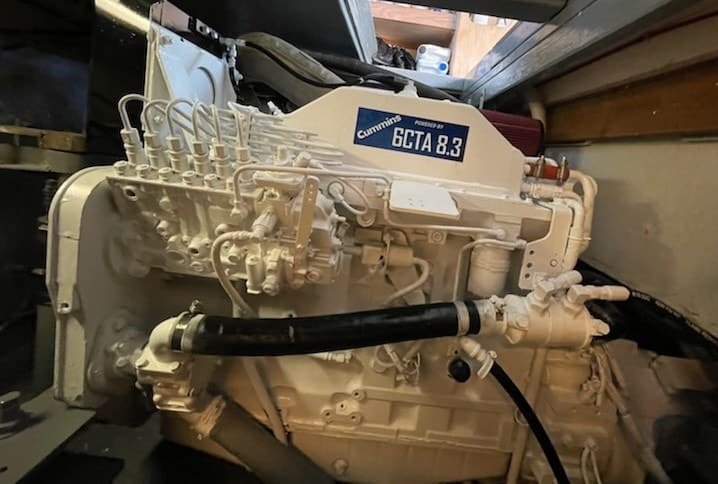
Engine Room Appearance and Vessel Value
Professional engine-room presentation can strongly influence resale value and buyer confidence. Surveyors and prospective buyers often view engine-room cleanliness as a reflection of overall vessel maintenance.
Clean coatings, organized systems, readable labels, protected wiring, and reduced corrosion all contribute to a more professional presentation during inspections and surveys.
Many engine-room refinishing projects are performed prior to vessel sales, pre-purchase surveys, or long-term ownership upgrades.
Engine Room Refinishing for Older Diesel Platforms
Older diesel-powered yachts and trawlers often benefit the most from engine-room restoration work. Aging paint, corrosion, poor lighting, oil residue, and outdated plumbing layouts can make maintenance difficult and reduce accessibility.
Refinishing projects help modernize older engine rooms while improving visibility and service access around the propulsion system.
Many older vessels also combine refinishing projects with marine diesel repower planning to improve long-term reliability and efficiency.
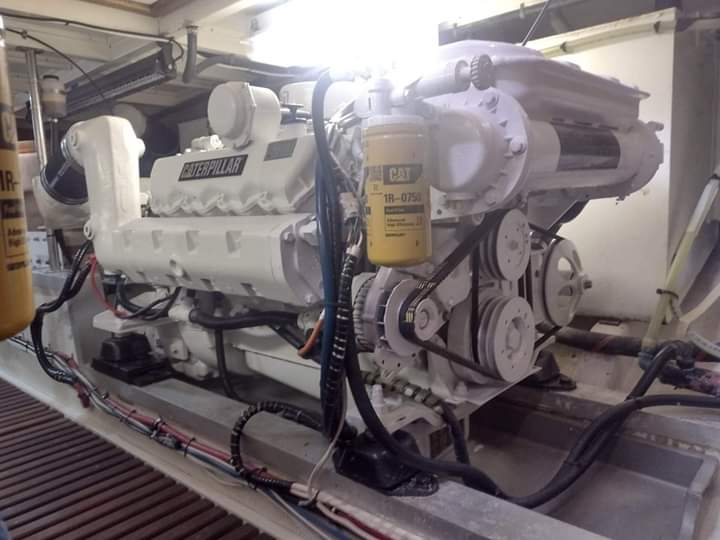
Marine Engine Painting Ventura, Channel Islands & Santa Barbara
805 Marine Diesel Mechanic provides marine engine painting and engine-room refinishing services throughout Ventura Harbor, Channel Islands Harbor, Oxnard, and Santa Barbara for inboard diesel-powered vessels.
Projects range from cosmetic refreshes and corrosion-control work to full engine-room refinishing combined with cooling-system service, maintenance upgrades, generator work, and engine inspections.
For marine system standards and best practices, the ABYC remains one of the strongest references for marine electrical and engine-room safety standards.
When to Schedule Engine Room Refinishing
Engine-room painting is often scheduled during offseason maintenance, prior to resale, after major repairs, during repower projects, or whenever corrosion and contamination begin affecting serviceability.
Warning signs that refinishing may be beneficial include excessive corrosion, peeling paint, poor visibility, heavy oil staining, difficult cleanup, or deteriorating coatings around engines and generators.
Addressing these conditions early helps improve maintenance access while protecting long-term engine-room durability.
Marine Engine Painting FAQ
Why should I paint my marine engine room?
Marine engine painting helps improve corrosion protection, visibility, cleanliness, and long-term serviceability inside the engine room.
Can engine-room paint help identify leaks?
Yes, clean light-colored coatings make oil leaks, coolant residue, and fuel seepage easier to identify during inspections.
Should engine-room leaks be repaired before painting?
Yes, active leaks and cooling-system problems should always be repaired before refinishing begins.
Do you provide engine-room refinishing for diesel yachts?
Yes, 805 Marine Diesel Mechanic specializes in engine-room refinishing for inboard diesel-powered yachts and vessels.
What preparation is required before marine engine painting?
Preparation typically includes degreasing, sanding, corrosion treatment, masking, primer application, and marine-grade coating installation.
Can engine-room painting improve resale value?
Yes, professionally refinished engine rooms often improve buyer confidence and vessel presentation during surveys and inspections.
Can generator compartments be refinished too?
Yes, generator compartments, drip pans, mounts, and auxiliary equipment can all be included during refinishing projects.
Do older diesel boats benefit from engine-room restoration?
Yes, older vessels often benefit significantly from improved visibility, corrosion control, and upgraded maintenance access.
Can engine-room refinishing be combined with maintenance work?
Yes, many projects are completed alongside cooling-system service, hose replacement, generator maintenance, and diesel inspections.
What areas do you service?
805 Marine Diesel Mechanic provides marine engine painting services throughout Ventura, Channel Islands Harbor, Oxnard, and Santa Barbara.
One Response