
Detroit Diesel marine engine maintenance in Ventura, Santa Barbara, Oxnard, and Channel Islands Harbor. Mobile dockside maintenance, diagnostics, cooling-system care, and scheduled service for Detroit Diesel marine engines by 805 Marine Diesel Mechanic.
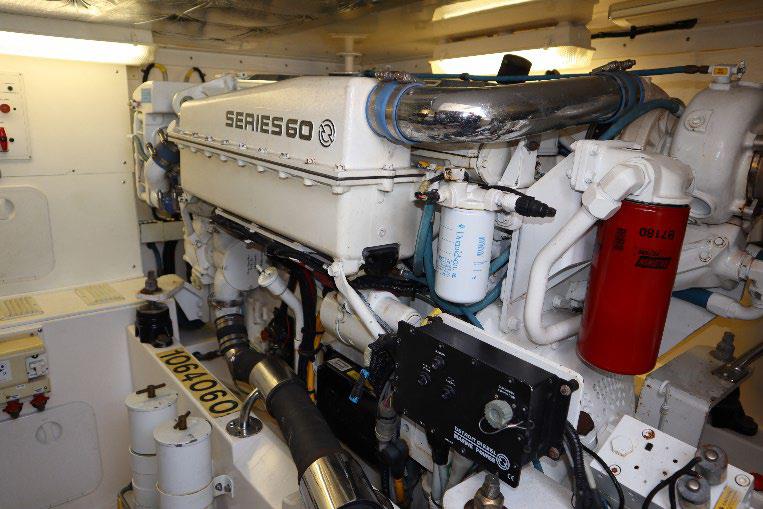
Detroit Diesel Marine Maintenance Schedule
If you are running a Detroit Diesel marine engine, staying ahead of maintenance is one of the best ways to protect reliability, fuel economy, and long-term engine life. These engines are built for serious duty, but they still depend on clean fuel, strong cooling flow, proper lubrication, healthy air delivery, and routine inspection of the wear items that fail first in saltwater service. A maintenance page should not just list intervals. It should help owners understand why those intervals matter and how they tie directly into real-world diagnosis.
At 805 Marine Diesel Mechanic, we service Detroit Diesel marine platforms with mobile maintenance, dockside diagnostics, and repair support across Ventura, Santa Barbara, Oxnard, and the Channel Islands. We do not believe in using a generic one-size-fits-all maintenance chart. Actual service intervals should be adjusted around engine hours, load, trolling time, storage patterns, corrosion exposure, and the kind of use your boat sees in local coastal waters.
That is also why this page should support your broader diagnostic system. A well-maintained engine is easier to troubleshoot, and a poor maintenance history is often the reason small problems turn into large failures. Your existing link to the Master Marine Diesel Troubleshooting Guide stays in place because it belongs here.
Need Detroit Diesel Maintenance?
Book dockside Detroit Diesel service, preventative maintenance, cooling-system inspections, fuel-system service, and interval-based support with 805 Marine Diesel Mechanic.
Detroit Diesel Marine Maintenance – Why It Matters
Marine engines live in a hostile environment. Saltwater, humidity, vibration, long duty cycles, and irregular storage all work against long-term reliability. When a Detroit Diesel gets behind on coolant care, raw-water maintenance, filter changes, belt inspection, oil service, or fuel-water separator checks, the symptoms usually show up later as overheating, smoke, reduced throttle response, hard starting, or poor fuel economy.
- Reliability: Prevents breakdowns when you need power most
- Lower costs: Small maintenance problems are far cheaper than major repairs
- Fuel efficiency: A clean, correctly maintained engine burns cleaner and runs better
- Safety: Better cooling, exhaust, and hose inspection reduces risk offshore
Strong maintenance also supports system-based diagnosis. This page keeps your current internal links and expands on them with relevant support from marine diesel cooling system failures, diesel fuel contamination, computerized marine diesel engine survey and diagnosis, and Detroit Diesel exhaust restoration project.
Detroit Diesel Marine Maintenance Schedule (Guide)
Intervals below are a practical guide. We tailor them to your vessel’s hours, operating load, duty cycle, and environment.
Daily (Pre-Departure)
- Check cooling system coolant level
- Check engine air cleaner service indicator
- Check engine oil level
- Drain fuel system water separator
- Check marine transmission oil level
Every 250 Hours or Annually
Recommended service tasks:
- Inspect or replace zinc anodes
- Inspect and adjust valve lash as needed
- Check fuel injection timing
- Replace raw-water pump impeller
- Inspect raw-water pump seals
- Flush and descale raw-water system
- Check battery electrolyte level
- Inspect or replace belts
- Test and adjust cooling-system SCA as needed
- Clean or replace air cleaner element
- Clean crankcase breather
- Obtain oil sample
- Change engine oil and filter
- Clean fuel inlet screen
- Replace primary fuel/water separator
- Replace secondary fuel filter
- Drain fuel tank water and sediment
- Inspect hoses and clamps
- Clean and inspect seawater strainer
- Inspect water pump
- Clean reverse gear strainer
- Replace crankcase vent filter
Every 1000 Hours or 2 Years
- Clean and test aftercooler core
- Change cooling-system coolant
- Check engine protective devices
- Clean and inspect magnetic pickup sensors
- Inspect turbocharger
Every 2000 Hours or 4 Years
- Inspect engine mounts
- Inspect and adjust valve lash
- Check fuel injection timing
- Clean or replace governor oil supply screen
- Inspect, remove, and descale heat exchanger
Note: Detroit Diesel manuals can feel aggressive on some interval items, especially for lightly used vessels. We right-size the plan to real hours, real use, and the actual condition of the engine rather than blindly overservicing or underservicing it.
Detroit Diesel Services – Ventura, Santa Barbara & Channel Islands
This page should also explain what the maintenance schedule actually means in practice. Maintenance is not just changing filters. It includes inspections, condition checks, system testing, and documented service that supports future diagnosis. We provide mobile diagnostics, dockside repairs, and full maintenance programs for Detroit Diesel Series 60 and other Detroit platforms.
Common Service Tasks
- Cooling system service and descaling
- Fuel system care including filter replacement, water control, and timing checks
- Turbocharger inspection and airflow verification
- Exhaust integrity and safety checks
- Sensors, gauges, alarms, and monitoring verification
Local Areas Served
Channel Islands Marina, Ventura Harbor, Santa Barbara Harbor, Oxnard, and Carpinteria. We provide mobile support at the dock, in the yard, or while the vessel is on the trailer where service access allows.
Stay Ahead of Overheating, Fuel Issues, and Wear
Routine Detroit Diesel maintenance helps prevent cooling failures, fuel contamination problems, airflow restriction, smoke, and loss of performance under load.
DIY Checks Between Services
Your original page had a solid basic DIY section, and that absolutely belongs here. Owners should know what to watch between service visits. A fast visual check before and after a run can catch problems early and save a lot of money later.
Sight & Sound
- Smoke color matters: black often points to fuel or air issues, white can point to coolant or combustion trouble, blue often suggests oil burning
- Unusual knock, whine, grind, or sharp vibration should be investigated early
Heat & Smell
- Watch temperature trends and confirm raw-water discharge flow
- Burning rubber or hot-oil smells can point to belt, hose, or pump trouble
Helpful reads: Fresh Water Flushing • Cooling System Tips • Overheating Diagnosis • Fuel System Diagnosis Center
Further reading: BoatUS Expert Advice • Yachting Magazine – How-To
Why Choose 805 Marine Mechanic
- Experienced techs: Detroit Diesel familiarity with marina-friendly service practices
- Transparent quotes: Clear scope, realistic options, and honest service planning
- Local know-how: We understand Santa Barbara Channel corrosion and seasonal patterns
- Mobile convenience: We come to your slip, yard, or mooring when access allows
Good maintenance is also about trust. Owners want realistic recommendations, not random part-swapping. Our goal is to keep the engine dependable, document the service clearly, and help you make decisions based on how your vessel is actually used.
Need a Quote for Detroit Diesel Service?
Get a maintenance plan tailored to your Detroit Diesel model, engine hours, local operating conditions, and actual duty cycle.
Detroit Diesel Marine – FAQs
1. Can you customize the factory schedule?
Yes. We tailor intervals to actual hours, duty cycle, load, and local conditions so the engine is not over- or under-serviced.
2. Do you provide oil analysis?
Yes. Oil analysis helps trend wear metals, contamination, and early internal issues before symptoms become severe.
3. Which Detroit Diesel models do you service?
We service Series 60 and other Detroit Diesel marine platforms depending on configuration and access.
4. Do you offer dockside emergency response?
We prioritize urgent cases when safety, access, schedule, and vessel location allow.
5. Will maintenance improve fuel economy?
Yes. Clean cooling, proper timing, strong airflow, and healthy fuel filtration all support better efficiency.
6. How often should Detroit Diesel fuel filters be changed?
Typically at the scheduled interval or sooner if contamination, water, sludge, or restriction is found.
7. Why is raw-water maintenance so important?
Because impeller condition, seawater flow, and exchanger cleanliness are critical to keeping operating temperatures under control.
8. Do low-hour engines still need annual service?
Yes. Sitting can still damage coolant quality, fuel condition, seals, hoses, and impeller shape.
9. What is one of the most overlooked Detroit Diesel maintenance items?
Aftercooler, heat exchanger, and raw-water-side cleaning are often delayed too long on coastal boats.
10. Can poor maintenance cause overheating?
Absolutely. Cooling restrictions, weak impellers, scale, worn belts, or neglected coolant can all cause overheating.
11. Can poor maintenance cause smoke?
Yes. Fuel, air, turbo, injector, and cooling problems can all affect combustion and smoke output.
12. Why inspect belts and hoses so often?
Because a small hose leak or belt failure can rapidly turn into an offshore breakdown or overheat event.
13. How often should zincs be checked?
They should be checked regularly, especially on saltwater boats where corrosion activity can consume them faster than expected.
14. Why keep an oil-sample history?
Trending oil analysis over time gives a much better picture than a single sample taken in isolation.
15. What local conditions shorten service intervals?
Salt exposure, warm water, heavy cruising, extended idling, and long storage periods can all shorten practical intervals.
16. Do you only work on Detroit Diesel engines?
No. We work on other inboard marine diesel platforms too, but Detroit Diesel maintenance is one of our supported service areas.
17. Can maintenance help resale value?
Yes. Good documentation and visible preventative care help buyers trust the engine and the vessel.
18. What warning signs should I watch between services?
Temperature drift, smoke changes, fuel smell, vibration, reduced water discharge, and unusual noise are all signs to investigate.
19. Should I service the engine based on hours or time?
Both matter. Some items are hour-based, but corrosion, fluid aging, and storage-related issues are calendar-based.
20. When should I call a professional mechanic?
The best time is before minor symptoms become major repairs, especially with overheating, smoke, low power, or fluid contamination.